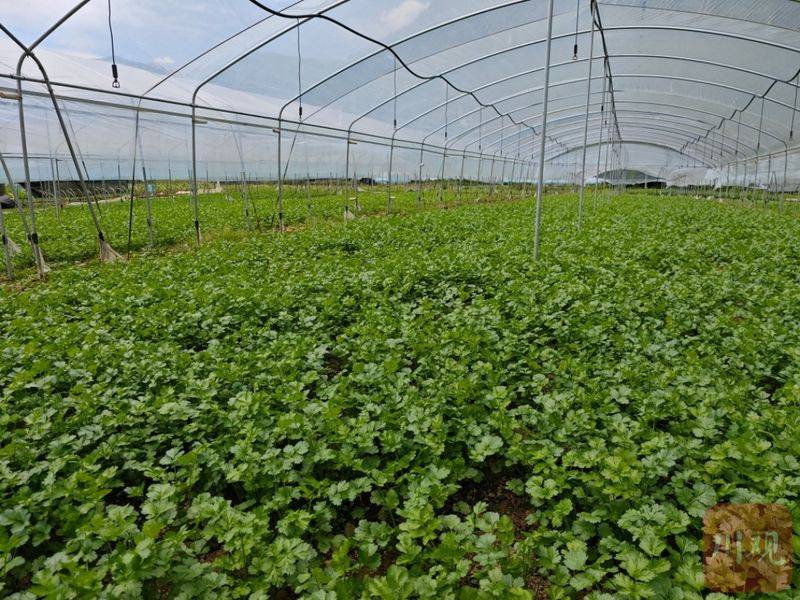
The fragrance of the village of washan in the jingu river area of leshan city。
Sichuan online reporter yang somo, kawakawa news watch, cold rain
In june, wawayama village, yongsheng village。
From the city of le shan, from the town of kinkou district, the vehicle circled over the mountains for an hour and a half before reaching the village, which is nearly 2,000 metres above sea level. Here, the heat waves of the early summer are isolated and the temperature is steady at 20°c and comfortable。
It's even more bright in the field。
It's green on the left. And ripe fragrances spread like piece of emerald. Dozens of villagers are bending, their fingers flipped, skilled in seeding, harvesting, sorting and laughing。
In the huts on the right, the machine is raging, fresh dirt is being turned up and preparations are under way for the next planting round。
In the cold, the code of wealth is hidden on this mountain。
"we're almost done with the cuisine, and we can collect about 1,000 pounds a day." the head of the base, zhang fengqui, stepped up his sleeves and came before the man arrived。
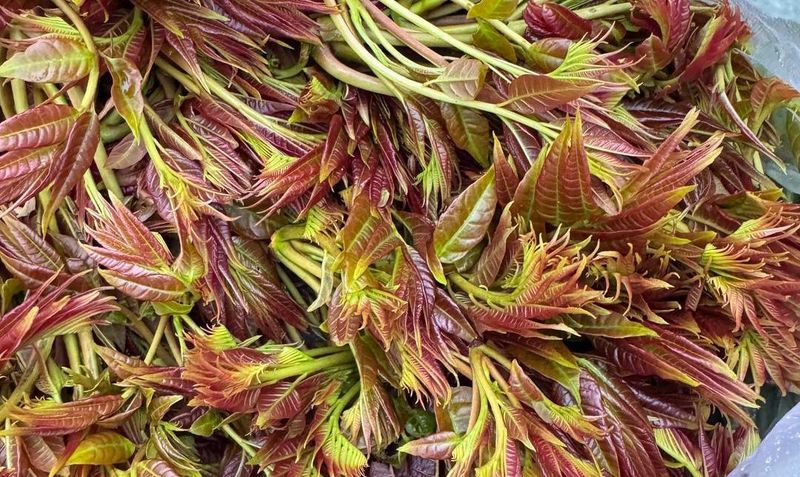
He leans over and pulls out a cuisine, the roots are thick and the scent is snorting. "look at the picture, the market wants it."
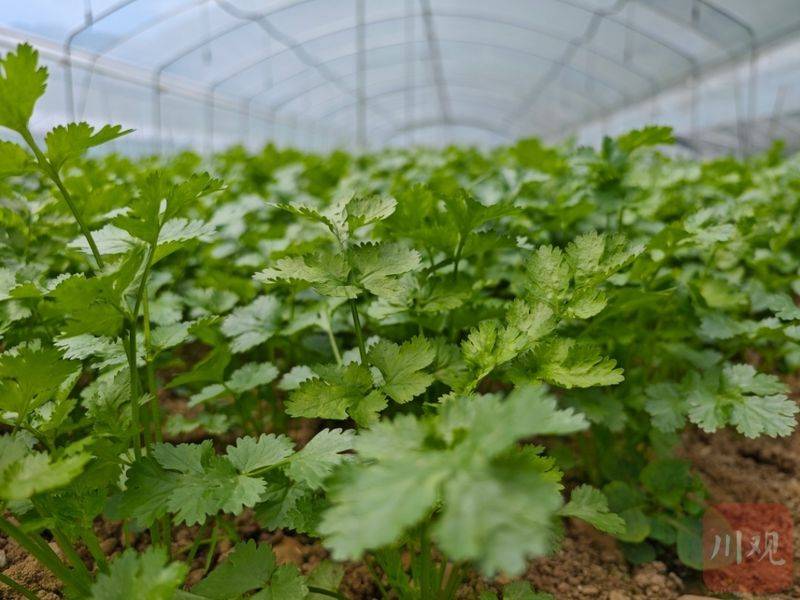
This year, the headline of a series of vegetables has matured。
Who would have thought that this season would be such a fresh cuisine? It was a result of the autumn and winter, but it grew mad in the summer of washan。
The story had to turn back three years ago. At that time, zhang fengqui was still a village book. Although the village of wayama is the flatest part of the river, the villagers have only sporadically grown some chinese medicine and hyenas, which are unpriced and have no brand name. He has been thinking about what crops are worthy of this mountain
He's got a look at the "sulture with soul" on kawazu's table -- the cuisine. Counter-season cuisine, expensive. He travelled to yunnan on a study tour and confirmed the road。
Upon his return to the village, he set up a cooperative and put more than $900,000 in his teeth and tried 30 acres. An open-air and shed model is the best model. And what's more, this mountain climate is like a natural air conditioner that allows fragrance to grow every year and every quarter。
"there's food elsewhere in the fall and winter. We can plant three." zhang fengqui is in the hands of his fingers: the first in april to june, the second in june to july, the third in july, and the third in july, after the third harvest, till the next april. When the fragrances of the low mountains have just come to the market, the fragrances of the mountains of wayama have been sold to the perfect peak. The base is now expanding to 70 acres, capable of producing 300,000 pounds a year and worth over $1. 5 million。
The industry took root, benefiting the villagers most。
The villagers, fongjin luo, transferred 3 acres of their homes to the cooperative, where they also worked. She kept on living and laughed, and she said, "no matter what, she could make double money in front of her house. Land rental, combined with work costs, will generate more than $20,000 a year.”
She's busy at the base every day, with more than a dozen folks。
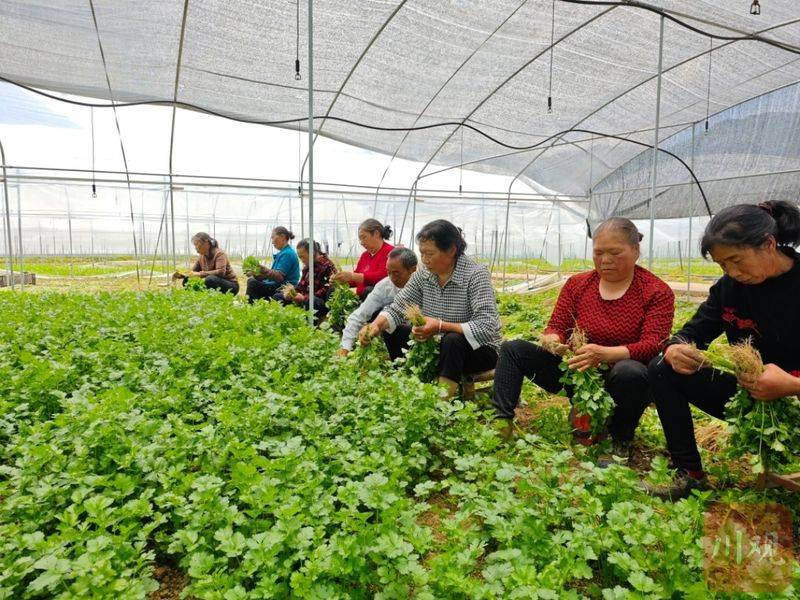
Villagers from the surrounding area came to help with the pick-up。
It's good. It's better to sell。
A home-made cold tank is particularly visible at a distance of 10 metres by the base. The cuisine just picked must be cold in there for three hours. They are then packed in foam boxes with ice bags and sent to the market for vegetables in chengdu, chongqing, yibin, etc. It'll last 15 days。
"it's a good head move." there's light in zhang's eyes. He calculated that the next 20 acres were to be planted with more folks。
From the test seeds to the harvest, this greening of the village of washan is truly a golden hope in the pockets of the families。