Strawberry economy opens a new path to rural revitalization
New tian shui daily news reporter, ho hyeon
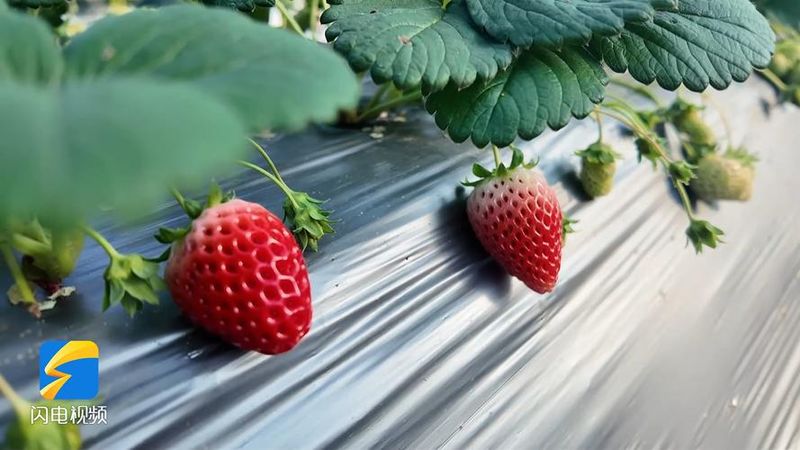
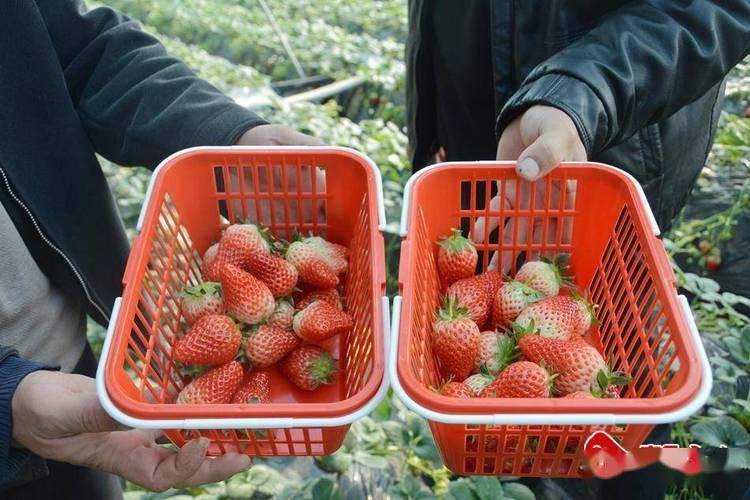
On 9 january, on the eve of winter, but warm as a spring in the strawberries shed of the kim houta family farm in ginhu quan, in the wheat district, the winter sun came in through plastic rags, and the presence of a red-coloured strawberries between green leaves was a glamour。
“the fresh strawberries picked this morning have been shipped to supermarkets and malls around the city, and our strawberries are good and very popular with consumers.” kim hao, head of the kim junda family farm, told journalists that it had been three years since they had grown strawberries, that this year they had grown and that many older customers had come to the garden to pick them, and that the visibility and influence of the farm had grown。
A colourful, sweet strawberry that looks attractive but does not grow easily, taking into account a combination of temperature, altitude, light and pests。
“we have a lot of sheds on the farm, but there are only two winter greenhouses now suitable for strawberry, which has been on the market since late november. There is no need to spray pesticides because of the high altitude, the high temperature of day and night, the high weight of strawberry sugar grown, the high hardness and the small number of pests and diseases, and the better taste of the strawberries taken and the greater comfort in eating them.” the technical director of the kim junda family farm closed the door。
The village of jinhu, which is east of the town of gancheng and has been the main planting of fruit trees for many years, has been affected more frequently in recent years by the freezing of fruit trees due to high altitude, which has led to frequent run-off. To this end, kim ho learned to build a kim yingda family farm in kim ho village, not only widening the village’s access to industry, but also increasing the number of jobs for the local population. “with the exception of some build-up cards, villagers in the nearby three natural villages are working on the farm, mostly women who cannot work outside the home.” kim yong-lin, a village village working on the farm, said。
A group of villagers from kimhu village 2 had two children who were studying in the town, and the children would return home on weekends, and she would not be able to go outside and work on the farm. “i raised chickens and pigs at home for more than 120 days on the farm, and i earned 10,000 more in front of the house, more than enough to subsidize the family.” the southern phoenix smiled。
In the years that have elapsed since the construction of the kim junda family farm, not only has the villagers been able to drum up their pockets, but also to learn their skills. “in order to grow strawberries, we have been providing technical training on a regular basis. There are now several villagers who want to build a large shed to grow strawberries, and we would be happy to work with them, given their size, to develop groups and attract more quality clients.” kim ho says that since the establishment of the farm, from loan financing, technical guidance to marketing promotion, there has been strong support from the town government and the fruit sector, and planting, marketing, etc. Are now on track。
Today, the kim yingda family farm, with its online marketing and live broadcasting model, attracts a large number of people around it to pick up and play, and sells strawberries across the country through a modern logistics system. Small strawberries not only raise villagers' “money bags” but also chart a new path to rural renewal。