Structure and rationale of mainstream embedded microprocessors
Embedded microprocessors are microprocessors specially designed for embedded systems. It has a highly integrated character, is capable of carrying out specific tasks and is usually low-cost. The structure and rationale of mainstream embedded microprocessors mainly include the core, memory, bus and i/o interface of the processor。
Processor core:
The core of the processor is the core component of embedded microprocessors that handle instructions and data. Common processor cores include single cores and multiple cores. The core of a single core processor consists of a processing unit that can execute a command stream and only handle one task at a time. The core of the multi-core processor is composed of multiple processing units that can perform multiple tasks simultaneously to improve processing performance. Memory:
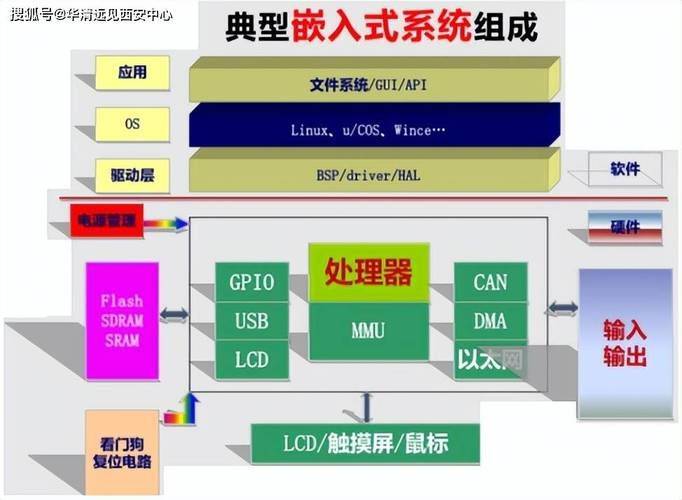
The memory of embedded microprocessors typically consists of a storage program, a flash repository and a random access memory for stored data (ram). Flash storage is used to store program codes and data and can keep the data intact after power cuts. Ram is used to temporarily store data during the execution of the program, which reads and writes faster than the flash repository, but loses the data after power cuts. Bus:
The bus is a communication line between the various components inside the embedded microprocessor. Common bus includes data bus, address bus and control bus. The data bus is used to transmit data, the address bus is used to assign storage locations for data and the control bus is used to transmit various control signals. I/o interface:
The i/o interface is an interface between embedded microprocessors and external equipment. Common i/o interfaces include serial interfaces (e. G. Uart, spi and i2c), parallel interfaces and generic input export (gpio). Serial interfaces are used for the serial transfer of data and can connect external equipment such as sensors, monitors and wireless modules. Parallel interfaces are used to transmit data in parallel and apply to high-speed data transmission. Gits can be set up as input and output modes to connect various external equipment。
Common embedded microprocessor type
Arm:
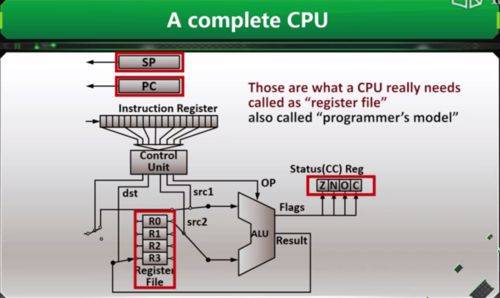
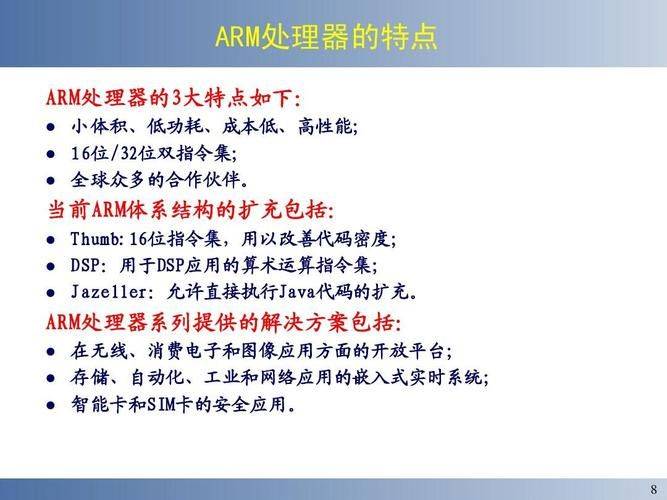
Arm (advanced risc machines) is a widely used 32 embedded microprocessor structure. The arm processors are known for their low power, low cost and high performance, and are widely used in areas such as smartphones, tablet computers, home appliances and cars. Mips:
Mips is an embedded microprocessor structure based on a streamlined command set (risc). The mips processor has efficient command execution and streaming line processing capabilities, often used in the areas of network equipment, digital signal processing and multimedia applications. X86:
X86 is a commonly used 32-bit and 64-bit embedded microprocessor structure that originates from the 8086 processor in intel. The x86 architecture applies to desktop computers, servers and embedded systems, with high performance and extensive software support. Powerpc:
Powerpc is a 32-bit and 64-bit embedded microprocessor structure developed jointly by ibm, motorola and apple. Powerpc processors are well known for their high performance and efficiency and are often used in such areas as embedded systems, servers and manual control equipment. Risc-v:
Risc-v is an open source command set structure (isa) designed to be simple, modular, easy to customize and expand. The risc-v processor has a low capacity and high degree of freedom and is gradually receiving attention in the area of embedded systems and physical networking。
Summary:
Mainstream embedded microprocessors are highly integrated, low-cost and low-cost. Their structure and rationale include, inter alia, the core, memory, bus and i/o interface components. Common embedded microprocessor types include arm, mips, x86, powerpc and risc-v. Different types of embedded microprocessors differ in performance, effort and software support, and suitable embedded microprocessors should be selected according to the specific application scene。