On october 30th, standing in the village of koochi, kang jia-pil village, located in the city of qingdao, mok district, shangdong province, tech-supplied special agent sun yundeh was happy to say, “despite the heavy rains earlier this year, the potato harvest was good. The scent is still thick, white and smooth."
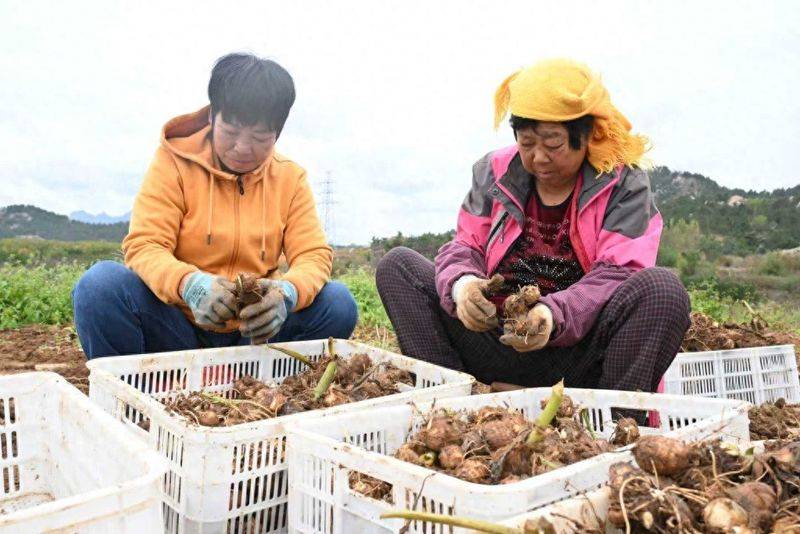
The villagers are busy digging, sorting and loading cars and laughing at the good harvest. The local fertile sandy soil and abundant water sources provide unique natural conditions for the growth of taro, which is of high quality and popular with consumers。
In the past few days, 20 acres of taro planted by villagers zhang su-ping in kang's white temple village in the mok-san street, he was pleased to tell journalists that, thanks to the use of new varieties this year and the careful management of which technologists often go to the fields, the tacos have a good harvest and production. He whispered, "suntleman can put the hearts of our farmers."。
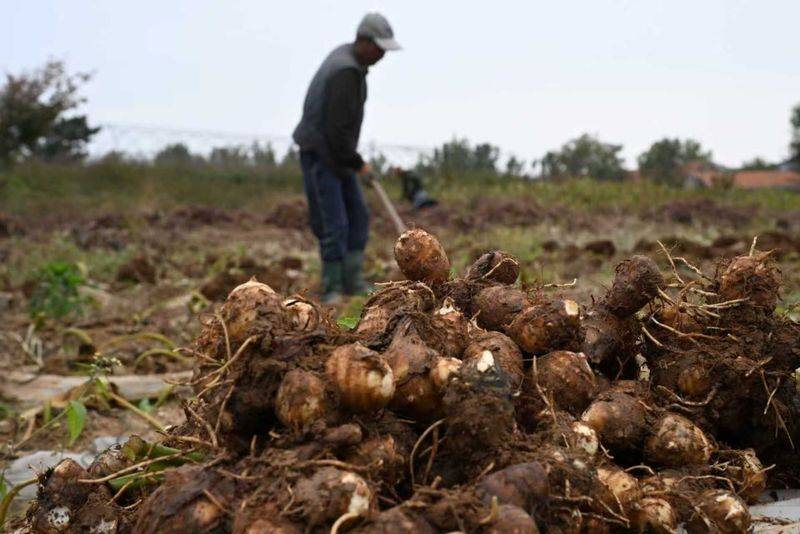
The natural springs and the sandy sandy earth, rich in trace elements, have given the white temple village a large white, fine-quality potato. At present, the white temple taro is growing over 3,000 acres, which has become a loud local business card. However, growing over the years undermines the ecological balance of the soil and is a major bottleneck in the development of white temple taro. To this end, the local government has invited experts from the aoshima agricultural university and the relevant research teams, starting with soil improvement, to finally overcome the challenge of a series of obstacles after more than five years of scientific and technological challenges。
"there's no such thing as white taro in this land." sun yunde, a technical attaché in shandong province, told reporters that the sakayama street is a warm, warm and cool monsoon climate in the low hills, with hot summers, hot autumns and cool summers, folding its geological features, such as the estrangement of soil and the thickness of the earth, where the white temple tara is grown with large, round, white, smooth surfaces, fragrances and abundant odours and nutrients, and is thus recognized as a “national geomarked agricultural product” and not only as a branded dish at large hotels, i. E. In the main towns of ink and green island, but also as a successful exit from the country, which is recognized by overseas consumers。
“we have mainly adopted a microbacterial method, and it is unrealistic for you to completely eliminate the fungus, but simply to have its good fungus occupy a position and make it work and grow well. Although some of the plots failed, it was surprising to find that, six months later, some of the test fields had a long-lasting harvest, with more than 500 pounds of acre production, through the application of biobacterizers, soil improvement and water fertilizer integration。
“i take the farmers' needs into account by providing them with technical agricultural guidance and by helping them to cope with all kinds of crop cultivation and care.” sun windsor said, “the mission of our technologists is to put in place technical services to increase the benefits for farmers.”
According to sun wind, prior to the improvement, sakayama farmers lacked technical guidance and had a 70 per cent death rate, and farmers planted taro with little production and income each year. Farmers now produce 5,000-6,000 pounds of acre using new technologies learned. In 2020, expert professors of sun yunde and qingdao agricultural university established a village-based expert workstation in the white temple village of nan qu, to begin researching improved “tato seed transfer techniques”. A series of techniques have been developed to help the white temple taro “live again”: anti-connection techniques to improve damaged soils to reduce the rate of death; water fertilization techniques to conserve increased production; conversion of traditional seedlings to direct seedlings, with the introduction of seedling cultivation, non-hazardous transfer into the field, improved utilization of light and thermal resources, with an increase of almost two months' life and a 20 per cent increase in production; and the introduction of a 50 per cent increase in production through the use of greenhouses in large sheds and an attempt to achieve an anniversary supply。
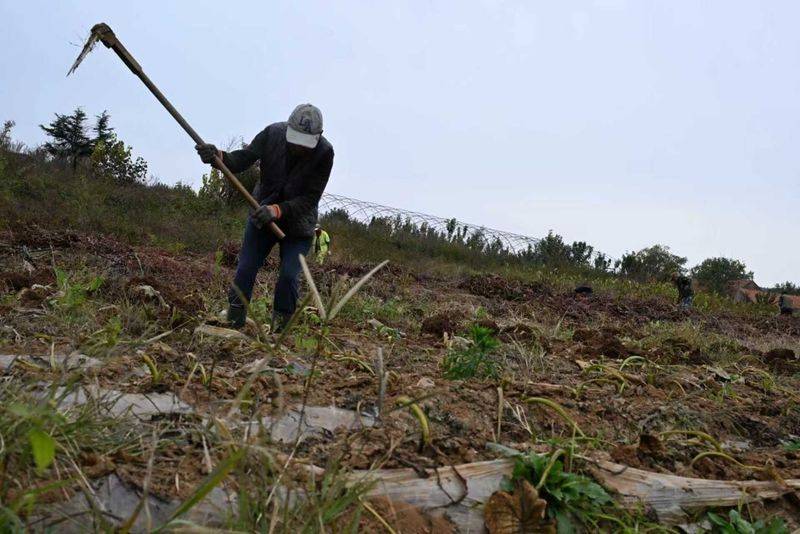
Research has yielded results and is not easy to replicate. According to sun windsor, when sharing relevant technology with local farmers, it was often “sniffing a nose ash”, and it was said: “how can it be connected when the seeding of potatoes is the same land, growing for two years?” it was also said: "no one has ever heard of a seeding of taro, which we have grown for generations
When farmers refused to accept it, they decided to do it themselves. With the support of the first secretary from the mok district at the time, members of the young farmer rural renewal service and sun winder built two acres of tacos in the white temple, the first of its kind in the country with a seeding chamber. I've been working on it, and i've been working on it。
In the past two years, new technologies have been used to harvest white temple taro, with the use of disease-resistant and seed-planting techniques, producing more than 6,000 kg of acre and generating about $340,000 per acre. Their new planting techniques have also begun to gain the confidence of local farmers as a result of “see-and-see”. Not only has it become a brand-new dish for qingdao, the main hotel in mexico, but it has also moved out of japan and the united states, where it has been recognized as a “national geographical symbol of agricultural produce” and has become a prominent local business card. Sun windsor indicated that he would lead his team and continue to tackle the technical challenges of growing more taro, hoping that, while the white taro would bring more economic benefits to the villagers, more people would be able to taste the soft smoothness of the white taro throughout the year。
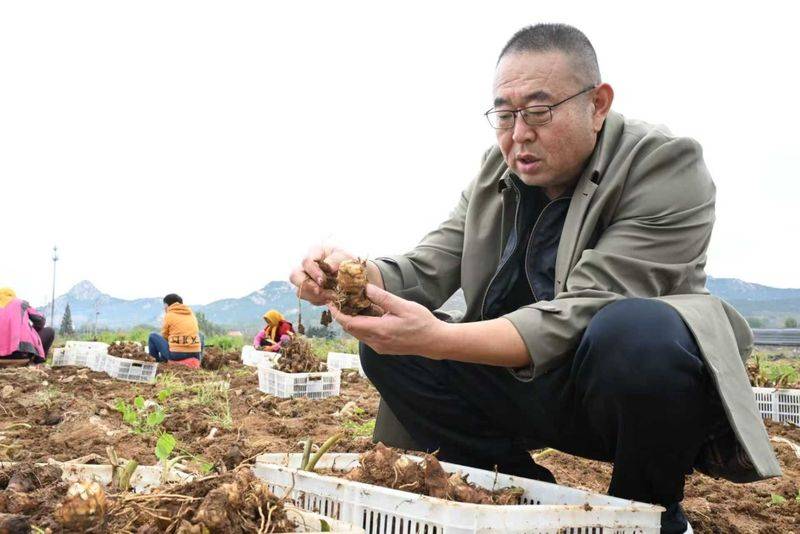
“the little white temple taro, a bond to keep the country in its wake, is an unforgettable image of food, a unique sense of home. Sun windsor picked up a big taro from the ground. Local farmers told journalists that because of the taste and fame of the white temple taro, some merchants had bought and sold the white taro that was produced elsewhere. The sales of these taro are concentrated on both sides of the white temple road, i. E. Ink-to-sun, at a price of about $3 per pound. To buy a true white temple taro, it is necessary to go to the formal market in the white temple village or to purchase it online。
Zhang tao