According to the ministry of agriculture and rural affairs, the ministry of agriculture and rural development, in response to the high temperatures, drought, extreme precipitation and other catastrophic weather events that may occur in el niño this summer fall, and in order to guarantee the production and market supply of vegetables in the summer, has developed, in collaboration with the relevant units, a technical guidance for the prevention and mitigation of vegetables in summer 2026。
I. Technological measures for high-temperature drought prevention and mitigation
In the summer, drought-resistant varieties such as guacamole, bitter melons, winter melons, beans, pickles and pickles should be chosen. Facility vegetables can cool through ventilation, such as sunnets, windmill wet curtains, and field vegetables can cover the ground with silver membranes, straws, etc. The frequency of irrigation should be increased during periods of high-temperature drought, with submural drip irrigation recommended before 10 a. M. Or after 4 p. M. Crops can be protected by a combination of seeding and rational planting. Cheese, guacamole and legumes are required to be ploughed in a timely manner, and leaves are kept on the top of the fruit in case of sunburn. Fertilizers should be applied in accordance with the principles of low-prevalence, hard-working, late in the evening and increased. Hot-suffering vegetables should be supplied with a small quantity of water in a timely manner and be fertilized with leaves; hard-hit fields should be cleaned up in a timely manner to grow high-temperature-resistant leaves. Insect pests such as virulent and drought-prone diseases, sun burning and aphids and white powder lice should be combated using green anti-control techniques such as removal of the disease, sunshield, insecticide-treated lamps and organisms。
Ii. Technological measures for storm and flood prevention and mitigation

Meteorological early warning needs to be closely followed, with pre-positioning of farm inputs such as typhoon equipment, drainage pumps and seeds and fertilizers. The reinforcement facility should be overhauled prior to the onset of the disaster, the sheds should be secured and vents closed, and the protective skeletons should be removed early in the event of a high intensity. Early routing of drain canals, cleaning of miscellaneous items, construction of water-blocking towers on the perimeter of the facility to prevent diversion. Post-disaster open-field vegetables need to be eliminated as soon as possible, soil-planted, diseased and fertilized; facilities need to be repaired in a timely manner, ventilated and wet, and safety hazards removed. Severely damaged vegetables should be taken for sale and replanted in a timely manner. High humidity causes multiple diseases, which should be addressed in a timely manner, and foe diseases are recommended for fumes and dust。
Iii. Technological measures for hail disaster prevention and mitigation
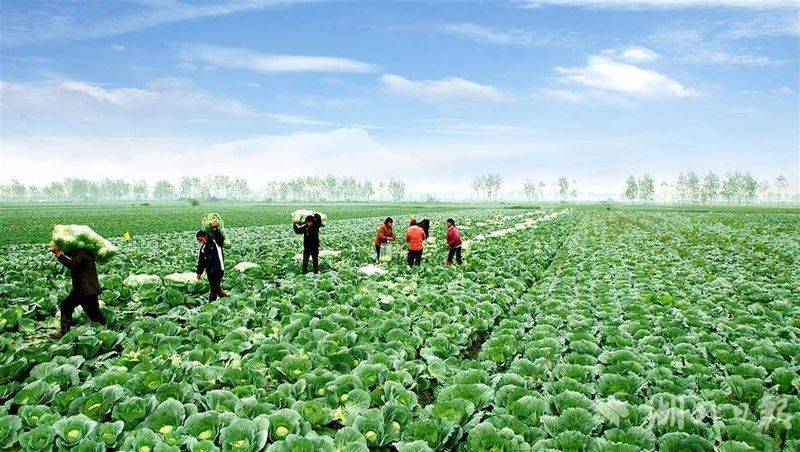
Before hail arrives, the field vegetables may be protected by setting up a hail net or by covering the fruit; the plant vegetables should be put down for temperature protection. After the hail has passed, the less affected vegetable fields need to remove the left leaves and spray microbicides to prevent the disease. In case of cooling, the plant can be pumped or sprayed with amino acids, corrodic acids, thiomers, etc. To facilitate recovery. Vegetable fields should be replanted quickly after disinfection of the garden in order to recover the damage。