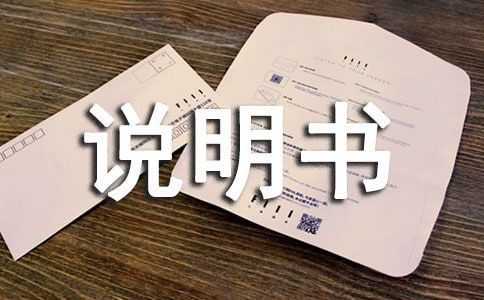
In the context of globalization and the steady growth of manufacturing and equipment exports, the multilingual version of the maintenance manual (maintenance manual / service manual) has become one of the core documents for equipment delivery, after-sale training and technical support. In particular, in the face of cross-border clients, overseas engineers or international certification reviews, a maintenance manual that translates accurate terminology, uniform formats and reflects not only language skills, but also the level and depth of service of the enterprise。
What are the core elements of the maintenance manual translation
Maintenance manuals usually contain the following modules:
Description of equipment structure and illustration of parts
Installation steps and debugging methods
Maintenance plan and schedule
Fault code and checklist guide

Safety practices and warning markers
List of maintenance tools and replacement parts
Description of technical drawings such as electrons, hydraulics, wiring, etc
These are often related to professional terminology, structural logic, graphic layout, and require translation to be both precise and operational in terms of technical details。
Ii. Language characteristics and professional requirements for the maintenance manual
1. Terminology must be harmonized and logic must be accurate
For example, the terms “manufacturing electromagnetic valve”, “lubric pump”, “codifier”, “plc export” must be harmonized throughout the manual so as not to affect project judgement by inconsistent expression。
2. Sentences should be clear and operationally oriented
In chinese, passive or omitted sentences are commonly used and translated into english to fully express the action subject and process, such as:
"check the oil level using the light gass."
"loosen the bolts using a 14mm bolt."
3. Charts and step numbers must be synchronized
All “figure 1” “figure 2” “steps a, b and c” should correspond to the translation and the text should be synchronized。
4. Conformity with international security terminology and normative expression
Elements such as “warnings”, “notes”, “prohibits operations” should be used in a language consistent with international standards, such as:
"warning: risk of eectrichshock."
"allo motor to cool before service."
Iii. What factors determine the cost of translation of the maintenance manual
Translation costs are usually assessed on the basis of the following dimensions:
Description of factors