In recent years, property conflicts in small residential areas of the country have shifted from sporadic complaints to common problems for all。
The purchase of a home should have been the beginning of a secure life, while most owners had been plagued by property fees。
High rates of fees and the combination of basic services to produce grass have led to a build-up of deep-seated grievances。
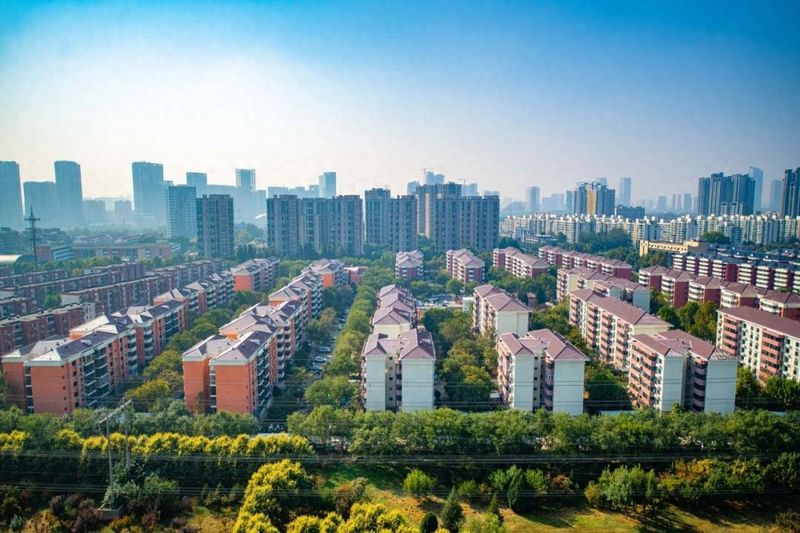
An increasing number of households are no longer actively paying their contributions on time, and there is a continuing increase in property arrears at the local level。
The industry has been passively winding down a wide range of price adjustments, and the years-long era of property windfalls is quietly ending。
01
The resistance of ordinary people to property services has never been self-criticism, but has been a disappointment brought about by long-term disparities。
The current cost of property in most small urban areas is generally maintained between $2 and $3 per square metre。
The additional costs of a flat, which is just in demand, and a share of public utilities, are set at almost $400 per month, accumulated throughout the year, with regular households spending around $4,500 on services in small areas。
This steady expenditure, which has lasted for many years, without matching the quality of services, naturally leads to household conflict。
Cleaning and maintenance of day-to-day communal areas has been left unsupervised and unsupervised for many years。
It is common for the buildings to retain pet excrement, vehement dirt and long-term holds to remain clean, and for owners to travel at night by means of lighting in order to avoid the dirt and dirt on the ground。
The problem of ageing and disrepair of basic support facilities has long been effectively addressed and repaired。
The elevators were frequently shut down, the public corridor garbage piled up for many days, the floor garage was dirty and damp, the garage was leaking water, lighting equipment failed and the overall residential experience continued to decline。
The greening of small areas has been left untouched, the grass has drowsed and the original landscape has become a wasteland。
Visible service gaps and year-to-year fixed rates constitute strong contrasts。
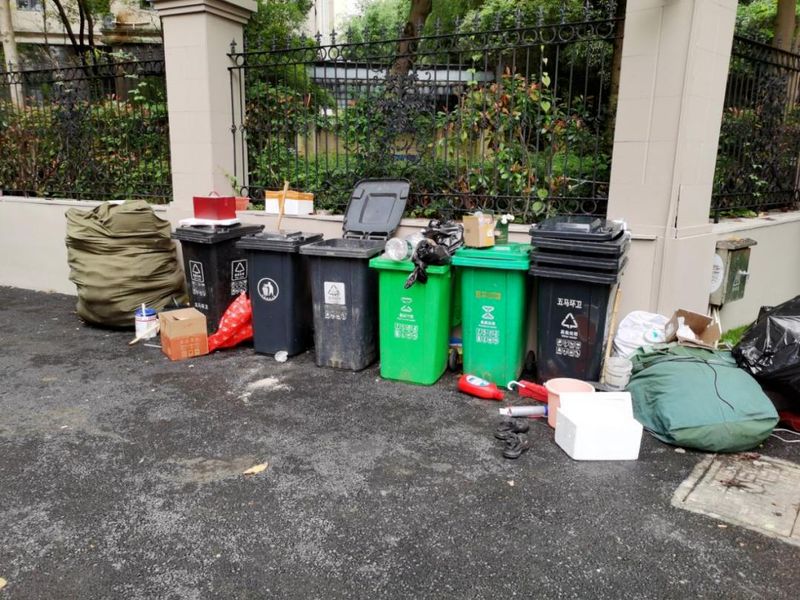
It is even more difficult for households to accept the fact that the large public revenues of the small areas remain untransparent。
Elevators advertising, public parking and the outsourcing of small areas generate large annual cash flows, which are part of the public revenues of all owners, are rarely publicized, and are not used for the rehabilitation of small areas。
Facility damage maintenance was never sufficient and public revenues were never disclosed。
In addition, the flat-counting rules for vacant houses further exacerbate the sense of unfairness of owners。
Houses that have not yet been occupied or that have been vacant for a long time continue to require full payment of property fees。
There is no flexible space as from the day of the centralization of the building, and there is a risk that the owner will be prosecuted and held accountable if there is a default。
The non-payment of counterpart services and the need for passive contributions are at the heart of the public's refusal to pay。
Ordinary owners have no other means of defending their rights and can only express their claims by suspending their contributions。
02
It is widely recognized that the property industry does not do business at all and that there is a very different state of existence within the industry。
The property services industry is in the middle of a paradox and is often faced with a high level of demand from owners and difficult to reach。
In their daily lives, owners attribute all kinds of neighbourhood disputes and household chores to property duties。
Late-night garages are lost, neighbourhood shoe cabinets are occupied and neighbourhood life habits are disputed, and the property is called upon to settle。
Small area landscape layout, green scale, parking area planning, all of which are covered by the property, if the owner is not satisfied。
A large number of issues that do not fall within the scope of property rights and responsibilities ultimately translate into disaffection with property。
At the grass-roots level, property workers need to be on 24-hour standby to deal with all kinds of sudden-onset problems, and it is difficult to achieve uniform satisfaction for all owners, even if they are fully responsive to their demands。
In greening facilities in the same sub-regions, different owners can generate completely opposite assessments and demands。
Some households want to green the rich and beautiful environment, some consider green to be a waste of money for mosquito breeding, low-level households want to keep greening the sun, and high-level households fear that trees will shelter the indoor light。
The need for a thousand people to live in such a way that standardized property services will never fit the expectations of all。
Public perceptions of property work have further widened the gap between the two sides。
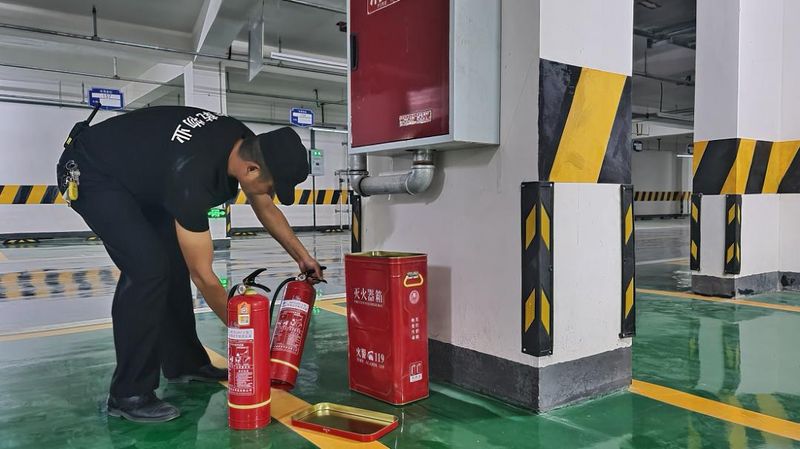
Most owners are only able to see visible basic work in cleaning, security patrols, equipment maintenance, while ignoring hidden aspects such as water tank cleaning, electrical room repairs, fire inspection and annual elevator inspections。
These high-frequency, detailed and professional behind-the-scenes work are central to the smooth functioning of the sub-districts, where invisible work is not visible and is tacitly accepted by most owners as being idle。
The district is always safe and stable, and everyone should acquiesce in the failure of the property in the event of an incident。
The long-term one-way high standard requirements and unacknowledged working conditions make the property industry vulnerable。
03
Refusal by owners to pay fees, negative property services and two-way rivalry have long established vicious cycles。
The long-term arrears of property fees by individual owners do not affect the overall operation of the property company alone, and all compliance owners who pay their dues on time will in turn share the full operating maintenance costs of the district。
Unpaid owners enjoyed equal service resources, and compliance owners were under additional pressure and were completely unbalanced。
The continuing trend of underpayment would directly reduce the operating costs of the property and push down service standards。
Lower levels of cleaning, delayed maintenance of facilities, porous security patrols and continued deterioration in the overall quality of the sector。
Disparities in services can lead to more owners refusing to pay fees, layering into unbreakable closed loops, and eventually leaving the property company for lack of funds, leaving the subdistrict completely in an unmanaged state of paralysis。
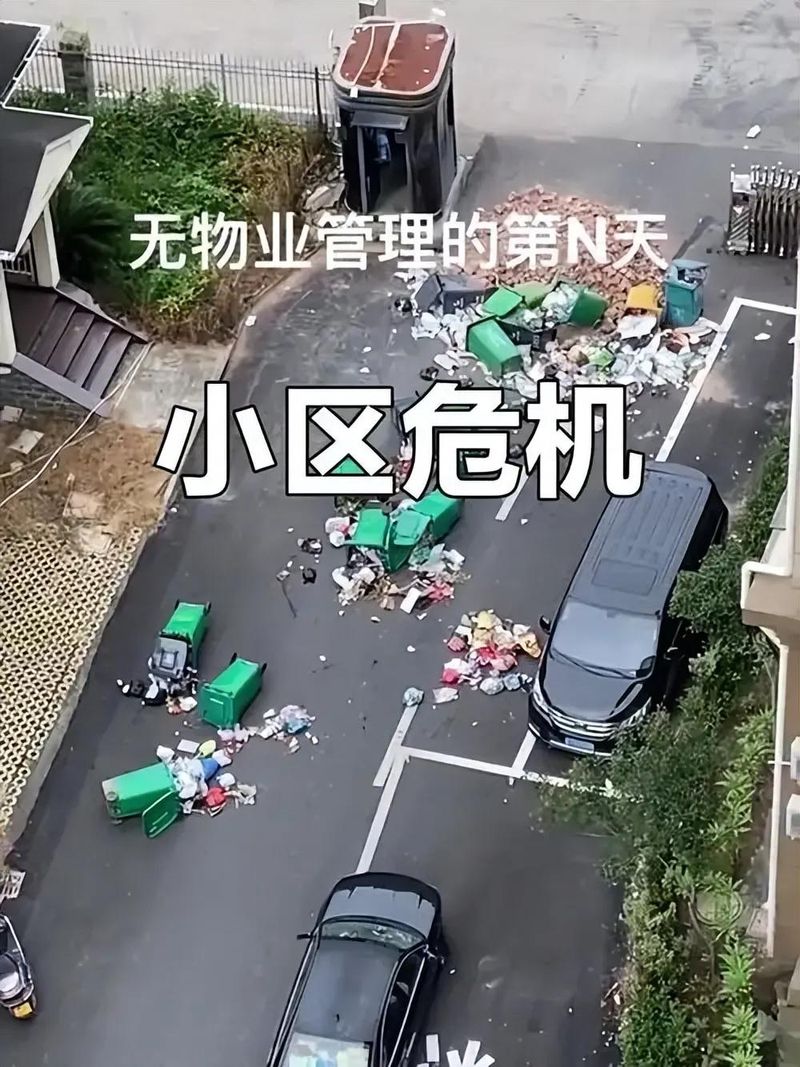
The deterioration of the living environment at the grass-roots level and the serious impact on the quality of life of all owners, as well as the face of two-way contradictions and the breaking of inherently opposing thinking, are the only way to transform the entire industry。
Over the past two years, new regulations have been introduced to systematically resolve property disputes in neighbouring countries。
Several cities have started piloting lower property costs, and in 2024 several cities in the country completed price increases in more than 100 districts。
In chongqing, xinchuan, aoshima, wuhando, property costs have been reduced by between 20 and 35 per cent, and guangxi liu county has seen the emergence of zero property fees pilot districts to explore new models of community management。
In response to the problem of charging for vacant housing, a humanized step-off policy has also been introduced。
Jiangsu town has been vacant for more than six months, and property charges are charged at a rate of 7 per cent。
For long-term vacant housing in the new district of gansuland, the minimum property fee is 50%。
The flexible fee rules have effectively alleviated the long-term unfairness of the contributions of empty owners。
04
In addition to policy regulation of price reductions, there are initiatives within the industry to innovate service models and to restructure supply-demand relationships。
Head property service enterprises have started to introduce flexible, list-based pricing, and complete their bid-off。
The enterprise has prepared 508 complete sub-district service lines, dividing basic and value-added services。
Of these, 158 basic services are mandatory and guarantee the operational bottom line for the subdistricts, while the remaining 350 value-added services are self-selected by the owners and are customized and charge-on-demand。
This model eliminates forced bound consumption and actually matches the service content with the fee rate。
The service after payment model in hebei suzhou has reversed the industry's services from the root causes, and owners have consolidated property fees into the tripartite bank monitoring accounts, which are jointly supervised by multiple agencies。
The costs are paid in quarterly instalments, with full issuances for the first two months and a 10 per cent withholding for the last month, with the remaining balance to be cleared through all owner services before full settlement can be achieved。
This model of regulation, which reduces the corresponding costs and directly pushes the industry to improve the quality of service and responsibility, gives the services assessment to the owners and re-establishs the logic of the industry's services。
The very nature of the property industry is the basis for serving the livelihood of the people and is not a fixed-profit business, and the long-standing mismatch between supply and demand, information divides and vague accountability is the source of all the contradictions。
There is no conflict between an owner's desire for a comparable service experience and a reasonable operating income for the property。
Putting aside the idea of a rival game and establishing a transparent, regulated and monitored model of cooperation, allowing each contribution to be matched by a solid service and the recognition of every job。
Future sub-district governance is bound to move towards a completely new phase of transparency, listing and validation。
In return for property service, the owner fulfils his or her contribution obligations and travels both ways in order to win the community。
Ordinary well-being is never a unilateral compromise, but a two-way understanding and due diligence。
# headline deep #