China's organic industry continued to maintain strong growth momentum, achieving many breakthroughs in three main areas: scale of cultivation, processing capacity and business practices. In 2024, the area of organic land in the country was 3. 589,000 hectares, an increase of 10. 6 per cent over 2023 and production of 2. 86 million tons, an increase of 14. 3 per cent over the same period. China has become the world's fifth largest organic farmer, after australia, india, argentina and ukraine。

We'll get a full set of skills when we land
2026. Advertisement x
Certification of organic products, as an important enabler of green agricultural development, plays an increasingly important role in improving the quality and safety of agricultural products and meeting the needs of people for a high quality of life. China's sales of organic products have exceeded rmb 120 billion, and this figure is backed by a significant increase in consumer confidence in organic products and consumer willingness. From a global perspective, the rapid growth of the organic food market is not an accident, but a confluence of health awareness and policy support. The eu has identified a 30 per cent increase in the share of organic arable land in 2030, and china's newly revised organic product certification standards for 2025 have enhanced soil health and biodiversity indicators。
Consumption trends: product classification and channel changes
At the market end of the whole organic crop, organic vegetable sales accounted for 46. 92 per cent, organic fruit for 29. 95 per cent and organic food for 23. 14 per cent. Among the most accepted organic vegetables in the market, consumers purchase higher priority than organic food and organic fruit. The geographical characteristics of consumption are also evident. The value of organic food sales in east and south-east china is higher, with a combined share of over 65 per cent. In eastern china, consumers prefer green leaves such as shanghai, chicken cabbage, cabbage and white, while in southern china there is a clear preference for tropical green leaf varieties such as sweet potatoes, mustard blues, barley and vegetable hearts。
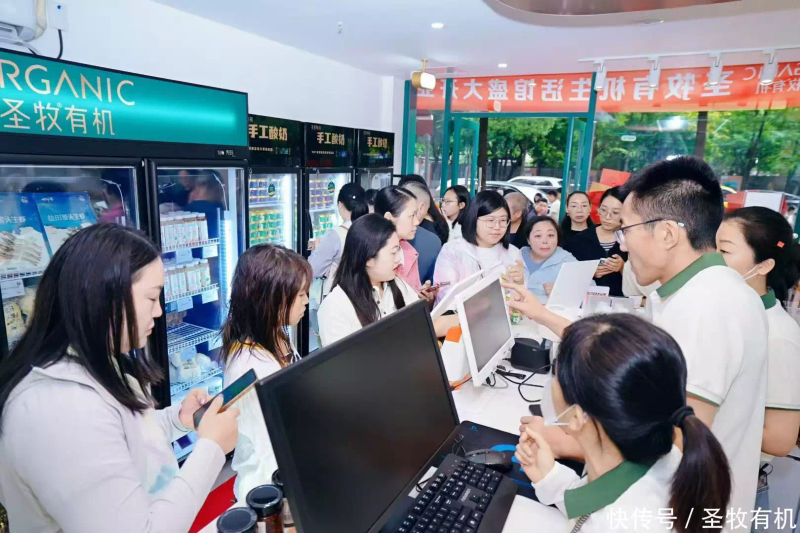
In terms of consumption channels, 63. 9 per cent of consumers choose large supermarket chains to buy organic foods, 47. 8 per cent choose organic food stores and 38. 5 per cent choose on-line channels. High-end supermarket chains, represented by olé, sam, costco, and box ma, have seen a marked increase in market share in organic distribution channels. It is noteworthy that online and offline integration has become the dominant mode of organic food sales. Subscriptions to organic vegetable boxes accounted for 28 per cent of the sales of chinese electric power outlets in 2025. Technology applications have also significantly improved industrial efficiency, with the penetration of block-chain traceability systems in organic agriculture jumping from 12 per cent in 2023 to 41 per cent in 2025。

This game promises to lead the way, the map is unlimited, the equipment is tied
. Advertisement x
Supply and demand analysis: productive expansion and market potential
On the supply side, china's organic industry is characterized by expansion of production, processing of upliftment, market boom and deepening of international cooperation. In 2024, the country recorded a total of 5. 7 billion organic product certifications, an increase of 12. 4 per cent over 2023, and, by population, consumed more than four organic product labels per person per year. On the demand side, while china has become the third largest global organic consumer market, consumption of organic products per capita is currently about euro10. 7, well below the global average of euro17 and less than one tenth of that of switzerland and denmark. This gap also bodes well for the potential for market growth. Price factors remain the primary disincentive to potential consumer purchases。
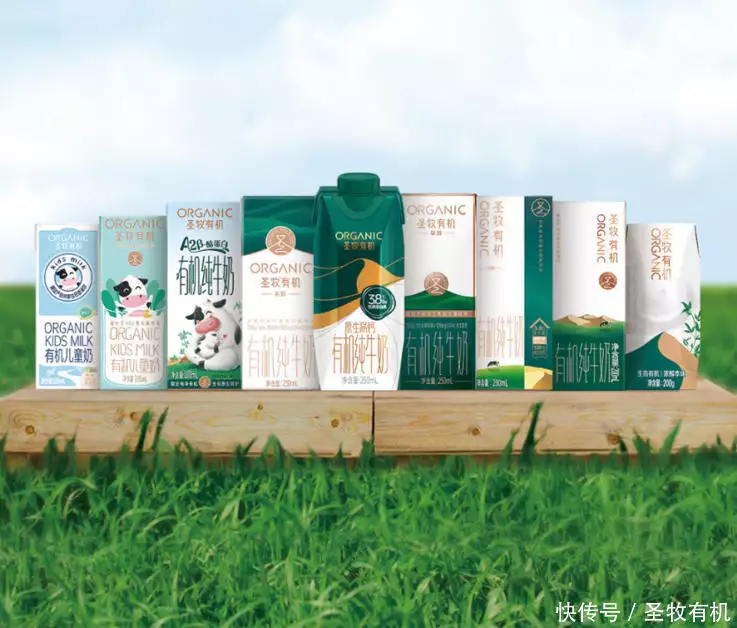
St. Vincent's
Health, starting with a glass of organic milk, a career, starting with a genuine partnership, access to information and investment programmes, and a future for visionaries。