


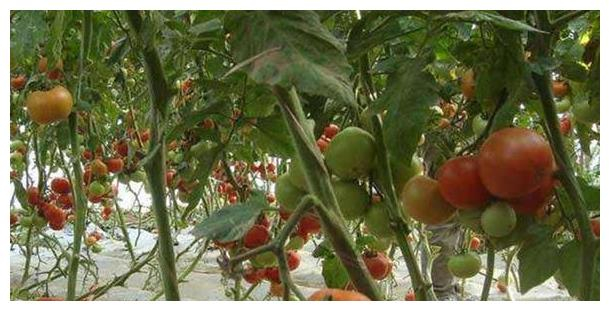
Hello, i brought you a membrane cover of tomatoes today, and i hope it will help you. Let's not talk about it。
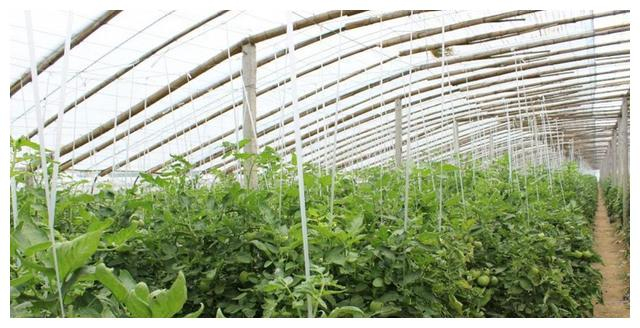
Covered membrane cultivation, also known as membrane cover cultivation, is commonly used in tomato cultivation. Typically, the surface is covered with 0. 01 mm thick polyethylene film, which increases the surface temperature by 2 to 5 °c, reduces the evaporation of soil moisture, inhibits weed growth and keeps the soil loose. In the early stages of seeding, slow seedling growth can be accelerated and root growth promoted。
There are two ways to cover seedlings. The first is to plant seedlings behind a thin film. In the south, the membranes are usually laid on high-quality brown, surrounded by soil. The seedlings are then excavated on the cover, depending on plant spacing, and the soil around the seedlings is covered with soil. In the northern region, the bottom width is 60-70 cm, the trough is 30-40 cm and the height is 10 cm, then the cover is covered and the hole is planted. The soil shall be covered by the openings and coverings of seeding in order to prevent leakage, scratching film or weeds. Another method is to sow seedlings after planting。
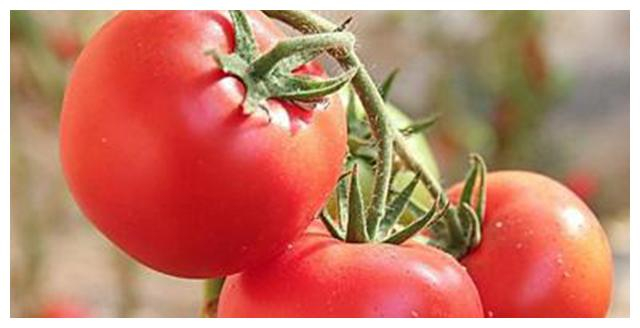
The use of coverings has now been improved. Films are used for different purposes. After planting, a small shed was formed on both sides of the raft with rafts or lead. The height of the shed is determined by the width of the cover and is then in the shed. The membrane is bent at the top and the soil is pressed on the soil. The film at this time is actually 'air movies'. As external temperatures rise, many small holes can be dug at a certain distance to facilitate ventilation. If the temperature is 25°c during the day and more than 15°c at night, the membrane is lowered and a hole is drilled from the plant distance for use as a membrane。



