In recent days, the shifong village lawn growers in white town were busy transporting packed lawns to nanjing, the first sales of new varieties this year. He said that the order was three or four times higher than in previous years because of the introduction of locally cultivated, high-quality new varieties of grass, but that the new varieties were too small to meet market needs and would be increased this year。
Seeds are agricultural “chips”. In recent years, the post-white town has taken a step forward in the development of farming industries based on the current development of agricultural industries such as rice, grass, blue flowers and walnuts, building innovative breeding platforms such as seed research and development centres and well-established bases, depending on the power of technology。
Rice is the strength of post-white town agriculture. In recent years, post-white town rice has been awarded prizes in national, provincial and municipal ratings, and has since been awarded provincial “paddy town”. Post-white rice development has benefited from local adherence to the “good species + good practices + industrialization” approach, in particular the selection of high-quality rice varieties, which has provided high-quality resources for rice cultivation throughout the town. In conjunction with scientific research institutes such as the provincial agricultural institute, the post-babaik has established a high-quality rice trial seeding base. In recent years, there have been more than a dozen high-quality rice seeds here, such as tien cham 1, red 1 east, crystal valley south, and ning dynasty 8 ... Are moving from the back town to the whole country. The latter also focused on the development of a regional public rice brand, the “fooky rice” series, in which the “green rice” “four rice” has become the eastern china brand. The highest price per kilogram of dussy tsienhammy is over 160, and prizes such as the national fair gold prize, the national prize for the prestige of organic foods and the jiangsu prize for good rice were awarded。
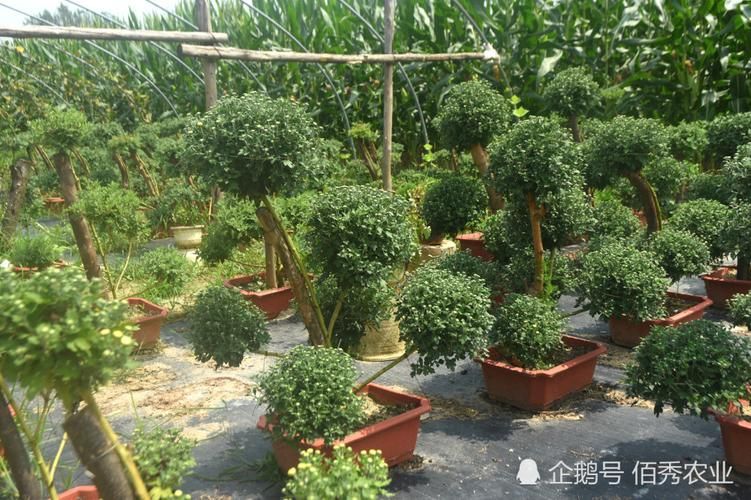
The fragrance of the blue light is a fine, white-skinned new species of grass, with an altitude of 2. 5-3 cm, thinn leaves, impenetrable, drought-resistant and insect-resistant, and unflowered, well suited to sports. Professor yang zhimin, faculty of grassing, nanjing university of agriculture: “in 2021, experts looked for grass for the hangzhou asian games throughout the country, and finally came here to choose the grass beneath our feet — the grass in the blue light of the south farm.”
It is understood that, in order to cultivate the blue light of the southern farmers, yang shimin and the team have travelled throughout the country for more than a decade to gather wild grass seed resources, and have developed a new set of highly resistant grass varieties, including blue light, through breeding techniques such as domestication, systematic selection, hybridism and mutation. Currently, the yang shijin team has collected more than 21,000 copies of grass-grass resources and established a large chinese grass-grass conservation base。
In 2018, nanjing agricultural university, in collaboration with the post-white town, co-founded the institute of specialized grassland industries. Over the past few years, yang shimin has led the team in a number of forward-looking, original research and technology development and integrations, such as the development of anti-reversible genetics, anti-resilient and high-quality new varieties of grass, and the re-use of surplus agricultural forest, which have led to the embedding of wings in the lawn industry。
Western blue flowers are one of our important internal sales and exports of vegetables. As a result of the late start and lack of seeding in the country, western blue flower growers have experienced the embarrassment of being “generic” and “free”。
Horticultural technology ltd., located in the town of post-white town, is an innovative resource for the breeding, production and extension of new varieties of green vegetables such as kale and blue flowers, as well as a state high-technology enterprise. Enterprises have five seeding bases in jiangsu, yunnan and xinjiang, with the only certified seed export base for horticultural crops in the province, with more than 60 tons of seeds exported annually and an average annual export value of $1. 2 million。
“in previous years, the price of one kilogram of imported western blue flower seeds in the market amounted to $26,000, which was converted to one item of seed cost and one sixth of the income per acre of vegetable farmers was `crushed'.” in 2017, the price of imported western blue flower seeds was raised from 0. 06 to 0. 2 dollars, which seriously affected the earnings of vegetable farmers, according to the technical director of tang jiang jiang, horticultural science and technology co. Ltd。
According to pan, seeds are agricultural “chips”, which are expensive and supply insecure, and the issue of “chip necks” must be addressed on a case-by-case basis。
In 2016, the first western blue flower seed was planted at the post-white town planting base, targeting the much-needed cold-resistant, heat-resistant, high-yielding species on the market. After tireless efforts, the first seeds of western blue flowers were finally harvested in 2019, after repeated pairings using the most primitive methods of “earth”. Nationally produced “dry seeds” are rapidly recognized in the market once launched。
“we all at once reduced the average cost of seeds from about 15 per cent of the acre to about 3 per cent. The reduction in the cost of seeds alone is about $200 per acre.” in the year of successful planting, horticulture opened the “reverse journey” of western blue flower seeds, “nationally produced seeds break through a layer of trade barriers and export abroad for the first time.” pan quiping said。
Peng fong-in, a leading farm expert and professor at nanjing forestry university, said that 20 acres of base-based seed resources collection area were used to collect good seed resources for american walnuts, both domestic and foreign, and to build a gene pool of the most domesticly resourceful american walnuts; 30 acres of nursery collection for the introduction of good varieties, the establishment of a nursery with 200,000 sprouts of good varieties per year; and 50 acres of good seed expansion area。
The planting of sheep belly fungus under the walnut forest is an effective model for developing the economy under the forest. “the short, cost-effective and marketable cropping cycle of planted sheep apogee can address the early ineffectiveness of thin shell walnuts.” according to peng fong-in, this year the sheep-breeding shed covers more than 10 acres and produces 250-300 kg per acre. More than 100 kilograms per day are currently available for sale, at a price of $1200-1600 per kilogram for dry sheep abdominal fungus, sold online and offline, and very popular with customers. Zhang fengchun, teng qinghai