In order to further promote awareness of the nutritional health of young people, to guide students to the concept of healthy living in science and proper exercise, and to contribute to the overall development of the physical and mental health of young people. In recent days, the health education unit of the joint centre for disease prevention and control in the magnificent zone of shangyang city has entered the new primary school, giving lectures on the subject and giving students a practical course on nutritional health。
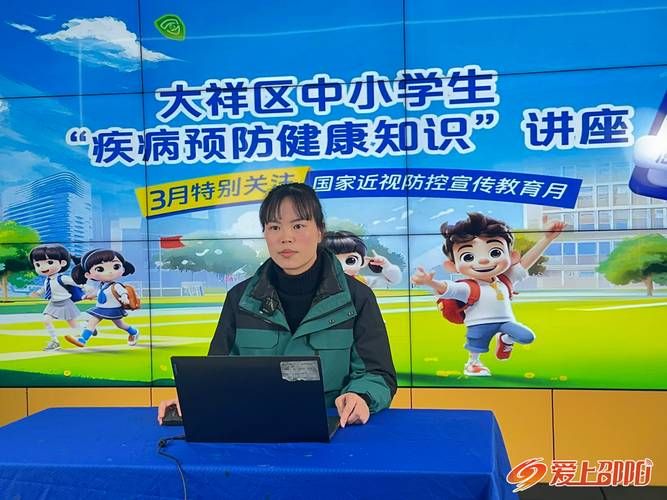
On-site, the staff of the cdcs in the omega region, taking into account the growth and development characteristics of primary school pupils, conducted detailed lectures on the core elements of food nutrition awareness, scientific food mix, the principle of eating balance, mental health adaptation, and so on, in a language that is easy to understand and a real case close to school life. In response to the prevailing malfeasance habits of young people, preference for sugary, oily snacks and lack of exercise, the members of the science community have examined the dangers of unhealthy diets, elaborated on the nutritional value of foods such as vegetable fruits and fruits, whole grains and high-quality proteins, and guided students away from foods of “three heights” and developed good habits of regular diet and balanced nutrition。
At the same time, the lectures combine physical and mental health with psychological guidance, popularize scientific sports methods, daily exercise of attention and simple practical emotional management techniques, help students to maintain moderate exercise, regulate their mental and physical state on the basis of a reasonable diet, and develop the health concept of “nourished, scientificly active, mentally brightness”. The classroom atmosphere is relaxed, students listen carefully, think positively, raise their hands and engage in interactive questions and answers, and record health literacy points。
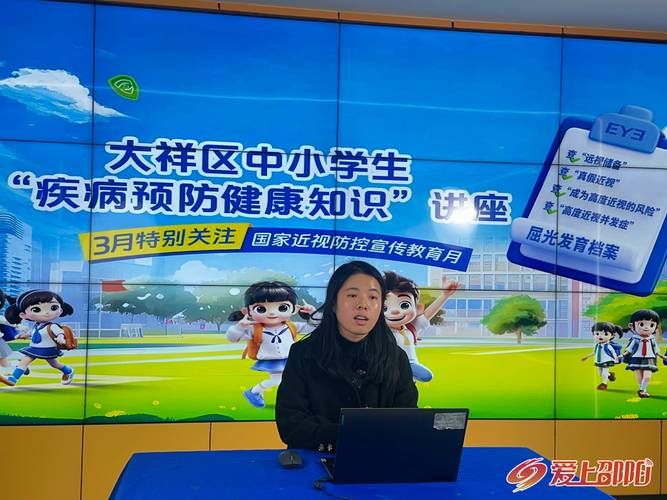
The results of this programme have been significant, as more than 90 per cent of the students in the school have significantly increased their knowledge of the health aspects of nutritious diets, scientific campaigns and psychological adjustment. Nearly 85 per cent of the students indicated that they would in future take the initiative of adjusting their diets by eating less snacks, more vegetables and vegetables, actively participating in physical exercise, and changing bad habits such as sitting and picking. A number of students have also shared health information among parents, bringing together families to focus on dietary nutrition and to optimize eating habits, resulting in “students learning, home-based collaboration, common health”。
The lecture has also given rise to a high level of learning about nutrition and health on campus, with students sharing health information and exploring sports programmes. The relevant officials of the new primary school said that the event would provide an opportunity to continue working on health education at the school level, to continuously optimize the canteen diet, to enrich physical education programmes, to regularize health education, and to continue to create a healthy, civilized and active school environment。
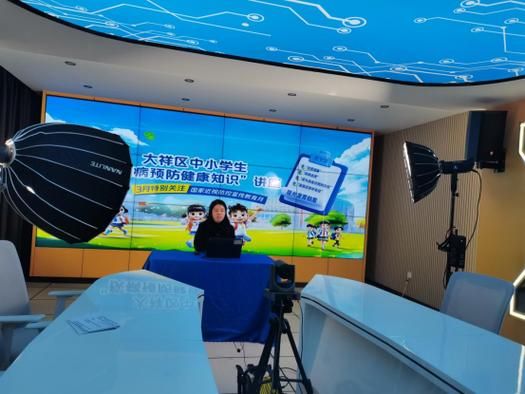
As a next step, the centre will continue to focus on the healthy growth and development needs of adolescents, regularize its activities in the area of school health education, continuously develop innovative forms of communication, fine-tuning of science services, improvement of long-term tracking mechanisms, accurate dissemination of information on nutritional health, disease prevention, mental health etc., complete the short table of adolescent health education, and maintain the school health protection barrier, with a view to strengthening the health and well-being of young people in the area of specialized health protection. I'm sorry