How come you can't cover your eyes with makeup when you're only 30 years old
After the night, the skin is dry and dark, and it's as if it's not absorbed?"
I'm sure a lot of treasures have been troubled。
In fact, behind all these skin problems is the key problem -- the loss of gelatin protein. Today, let's talk about glue protein and how science can be supplemented。
Know the gelatin protein
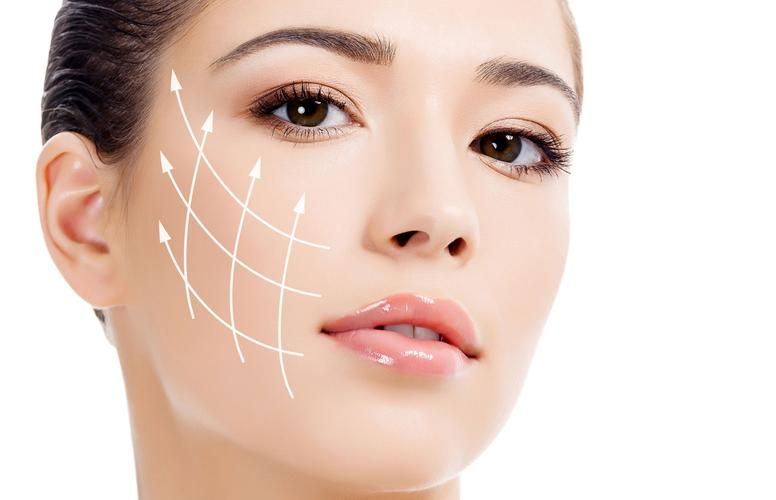
In short, the adhesive protein is a “top beam” in animal conjunction tissue, which is quite high in humans and widely distributed, especially in the skin。
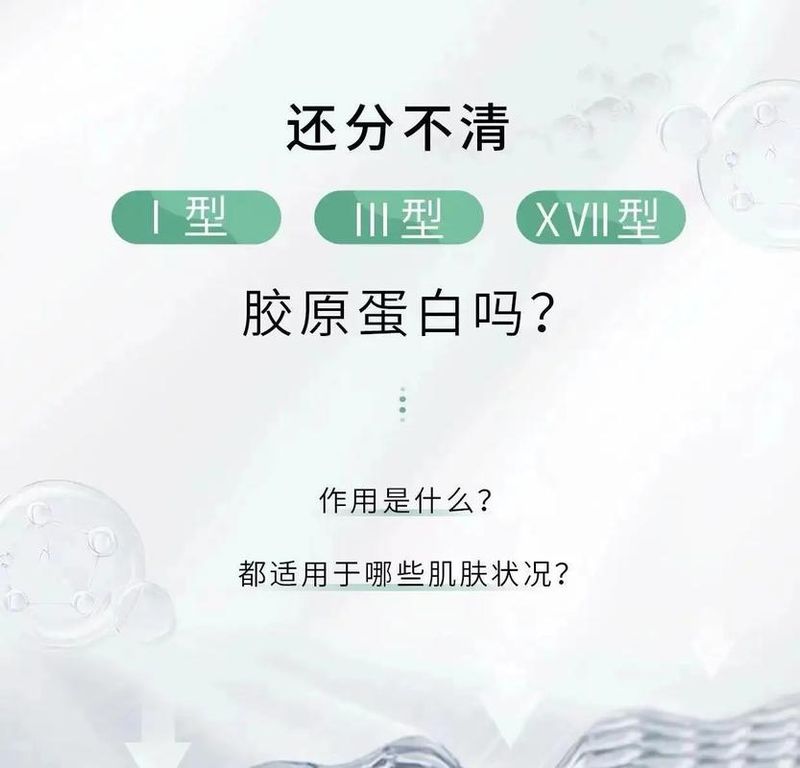
In the skin-real cortex, the amount of glued protein can reach 75-85 percent, like a tight "flex net" that holds firm the skin structure. And there are many different types of gelatin, the most important ones in the skin are type i and type iii。
I gelatin protein
It's like a thick nano-steel, which accounts for 80-85% of the total skin glue protein, mainly in the lower part of the skin. Its function is to provide strong support to the skin and to make it look full。
Once i gelatin is lost, the skin is prone to wrinkles and the original tight contours will collapse。
Iii glycol protein
It's a thin “bullet network” with 10-15%, which is primarily responsible for providing elasticity to the skin, which becomes loosely plume if the type iii glue is missing。
Is this the way to replenish the gelatin protein
Oral adhesive protein: limited effect
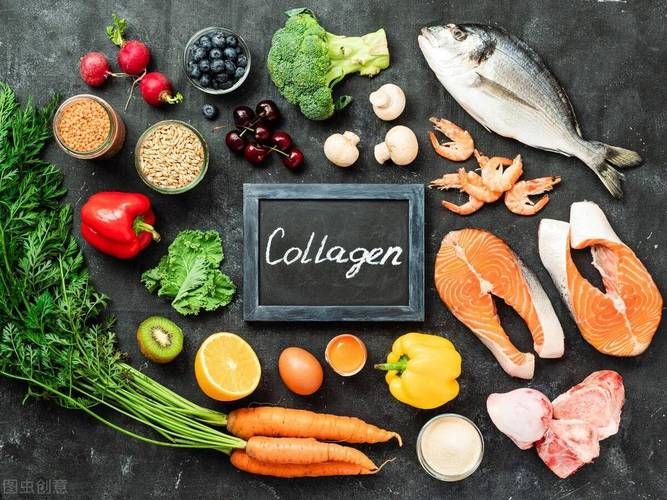
While many would choose oral glue protein products, such as glue protein fluids, protein powders, etc., the effects of oral glue proteins are not ideal in practice。
When adhesive protein enters the body, it is "dismantled" through the digestive system and is broken down into amino acids and small molecules。
These decomposition products, which are absorbed by the body, are used to synthesize various proteins, such as muscle proteins, hair proteins, etc., and are not specifically directed towards the gelatinic proteins required for the synthetic skin, thus naturally having limited effect。
2. External gelatin protein: only surface wetting
Extra-geled protein products, such as adhesive protein cream, semen, etc., are also common, but the effects of such products are largely confined to the skin surface。
The molecular mass of the gelatin protein is such that it is difficult to penetrate the skin's surface to the actual cortex. Even if some products claim to have decomposition of the glued protein into small molecules, it is difficult to reach the actual cortex。
Thus, much of the external adhesive protein product is based on the adhesive properties of adhesive proteins, which form a moist film on the skin surface, with temporary wetting effects, although it is difficult to supplement the actual cortex protein in this way。
3. Injecting glue protein: direct supplementation
In contrast, injectable reductive adhesive proteins can be described as a more specious way of doing so。
This way, by means of intrusive injections, can bring the gelatine protein directly to the deep skin, especially the real cortex, thereby supplementing the missing gelatin protein。
Now, the commonly used injection of adhesive gel protein is recombinant type iii, which is prepared through dna recombinant techniques, similar to natural human adhesive protein, with many advantages。
Biocompatibility is good: when injected into humans, it does not cause immune reactions, and it does not result in excretion, swelling, rigidity, etc。
Supportive: reorganizing human-sourced platinum type iii has a flexible three-spirit structure that enables self-connection, self-assembling, and formation of a network of gelatin protein fibres, which supports cells like scaffolds, and promotes cell growth and tissue restoration。
Degradability is good: after injection, adhesive protein is slowly degraded by human-specific enzymes, and degradation products are mainly small molecular beryllium, amino acid and water, which not only do not burden the body, but also provide nutrients for skin tissue and even induce fibrous cell proliferation, synthesis of new adhesive proteins and further improvement of skin state。
Reorganizing the third type of glue protein
1. Immediate fill
At the end of the injection, the missing gelatin proteins are directly replenished, wrinkles, dimples, etc. Will improve to some extent and the skin looks more full。
2. Tight dehydration
After a week of injection, the adhesive protein is dehydrated and rearranged to a state similar to that of human natural gelatin fibres, thus continuing to tighten loose tissues。
3. Quoba newborn
After six months of injection, the glyphs form a fibre frame structure within the skin, the previously fractured gelatine fibres slowly reset and the downside skin tissue returns to its original position。
At the same time, cells are bound to grow on fibre web racks, constantly synthesize new adhesive proteins, the elasticity of the skin slowly recovers, the colour of skin rises, and the body skin improves markedly。
These people are not fit for injection
Although the injection of adhesive protein has worked well, not all of the following groups are recommended for injection。
Persons suffering from serious diseases such as rheumatism, self-immunological diseases and conjunctive tissue diseases
(b) persons who have tested positive, allergic or allergic to narcotic drugs
People who are using immunosuppressants
- women during pregnancy and breastfeeding
(a) persons with mental disorders or unrealistic requirements for the effects of injection
Injecting areas have people with infections, tumours or other deformities。