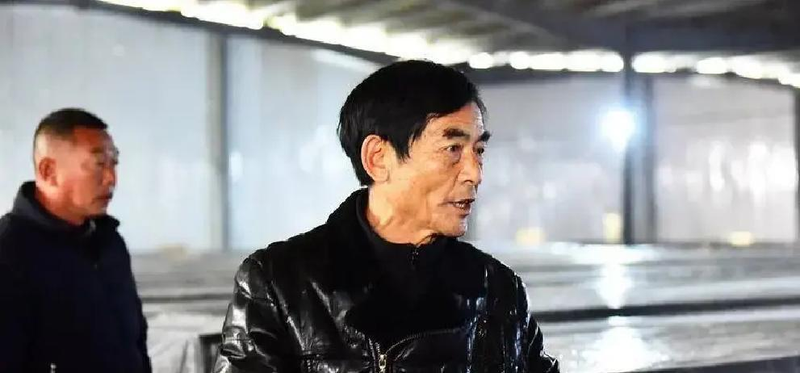
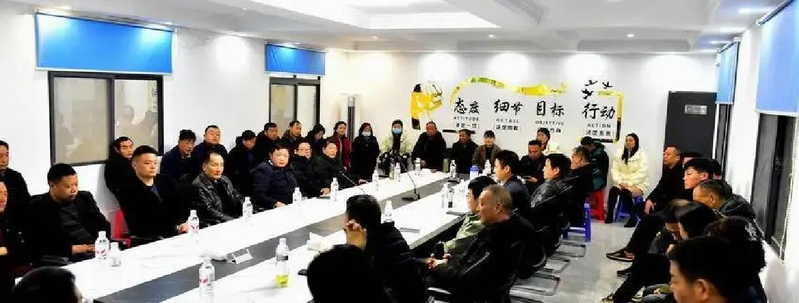
It's already in the south. More than 60 village clerks and growers gathered together at the green world eco park to focus their collective attention on technology, which was impressive. We're all going with that fresh matrix cyborg technology, which, after all, is not a road at all that used to excavate and plant ash in the mountains。
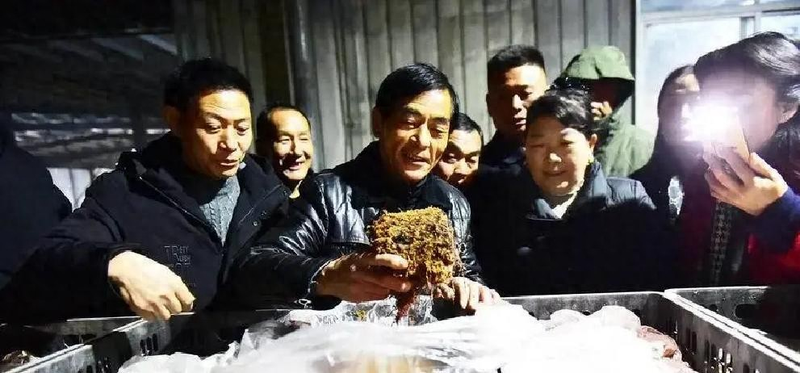
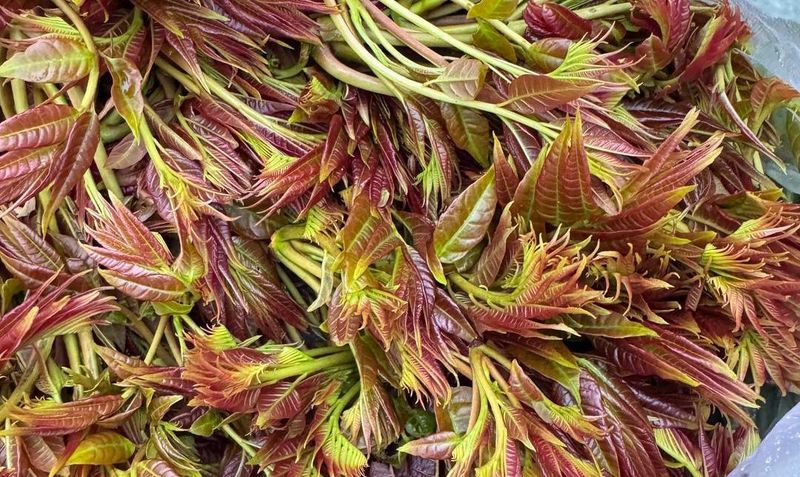
Is it because of the company that so many people were here that day? The cadres from the villages of xue peng, long ping and shaw peng are here, as well as the growers, who are not merely entertained, but are running for short-term, productive and steady returns. The fact that the door was pushed into the scene and the expert himself said that the planting of plaster without soil, using the corn cores of wood crumbs, could grow several times a year, the growth cycle had been reduced to a quarter and the acre production had doubled had opened the eyes of many。
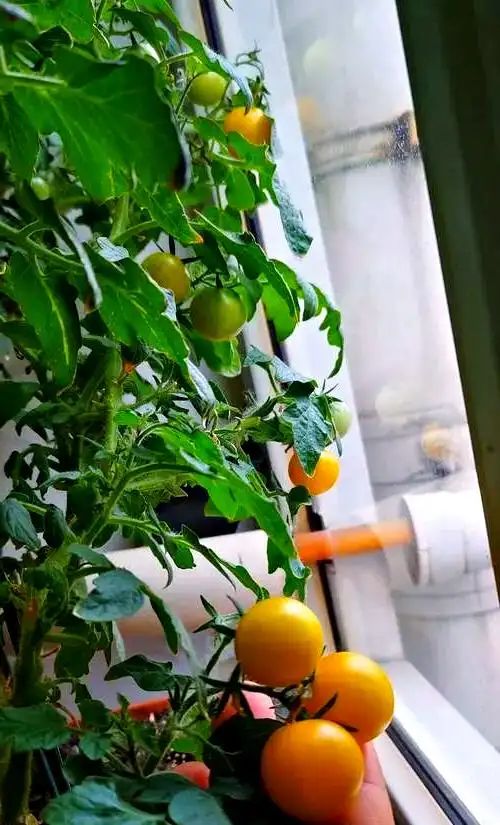
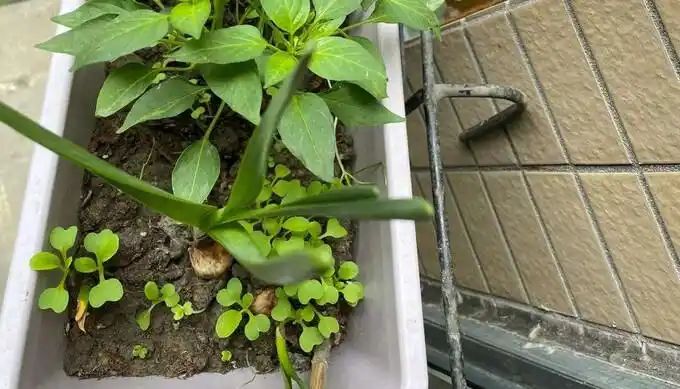
In the past, it took two years in the wild to stare at the sky and to harvest without rain or drought. Now it's done in the factory in about five months, with the environment under control and no natural disaster. Space is being multiplied and wood is being saved. Not only is it efficient, but the quality of the product can be kept under steady control. To be honest, this is what modern agriculture looks like。
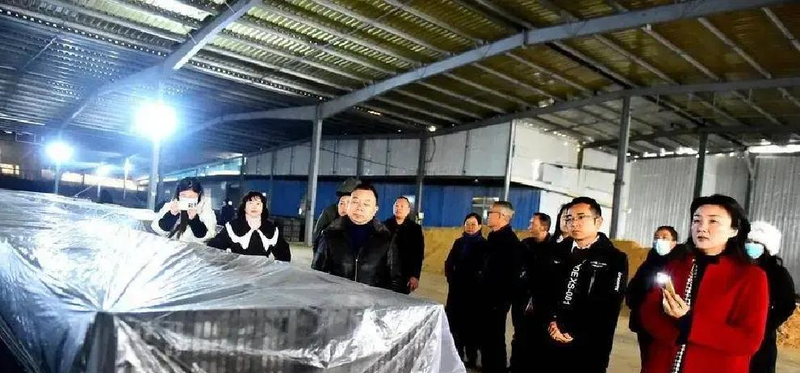
Green world ecology is playing the whole chain. Recycled from seedlings, technologies, planting. The villagers want to do it, the company takes it, the technology doesn't want to learn, and they grow a guaranteed price, and they get it right. More interestingly, the model also pushes the “company+cooperative+farmer” portfolio. Instead of leaving the farmers to fight alone, we have a group of experts and companies to take them with us without fear of risk。
That's one thing. Can farmers really make money? Looking at hubei's two-year policy of rural renewal, companies have also been added to their farmers. Such self-regulating cynicism, which stabilizes eight to ten pounds of production in a box, has long been recognized by the agricultural institute and the china-china farmers. It's not just lino that an enterprise can make a model into an industry pole, and that's why investment groups are targeting it。
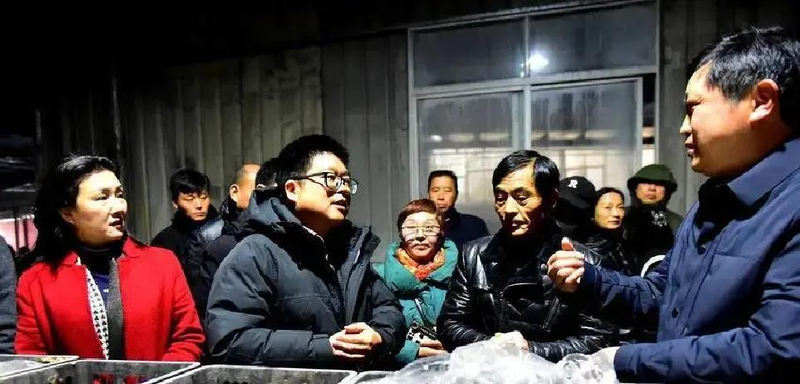
China's agriculture, by the way, has been moving a lot over the past two years. In the past, the main players were growing food, and now there is increased competition for medicine and indoor factoryization. Whether land can be used as a plant to save energy, secure yields, stable returns, and whether farmers are willing to follow the new path depends on whether the model actually falls。
Interestingly, a number of provinces in the country are exploring indoor cultivation, such as yunnan, which is also growing indoors with bacteria, with high rates of finished products and good products, and some local governments have dedicated support policies. But many local farmers are still worried. Is there a service? Is production steady? What if you can't make money? What hubei did this time was not just a technology, but a way to run the “company with farmers”。
The larger context of rural renewal now is that projects are being looted everywhere, and there is no less stress than who can make more money for farmers and who can bring down technology, not just in hubei. The game is retrofitting, but it is up to the farmers to make money, depending on the policy and the company's willingness to make money. With technology and services, farmers can really dare to try。
In the end, the upgrading of planting techniques is more than just making a few dollars. Behind the back is a microcosm of the upgrading of the agricultural industry, a group of ordinary people catching up to new paths, and perhaps soon such indoor seedlings will spread from lake north to more places. The fate of farmers may be quietly recast by the technological revolution。