Mr. O qin
I. How can china's tax residents be determined
Article 1 of the personal income tax law of the people's republic of china (hereinafter referred to as the personal income tax law) provides that: “a person who has a residence in china or who has no residence and who has resided in china for a tax year for a cumulative period of one hundred and eighty-three days is a resident. Income tax is paid in accordance with the provisions of this law for income earned by individuals resident in china and abroad. / individuals who do not have a residence in china and do not live there, or who do not have a residence and have resided in china for less than one hundred and eighty-three days in a tax year, are non-resident individuals. The income derived by non-resident individuals from china shall be subject to personal income tax in accordance with the provisions of this law.” article 2 of the regulations of the people's republic of china on the implementation of the personal income tax law provides that: “the personal income tax law refers to residence in china as habitual residence in china on account of domicile, family or economic interest; the alleged proceeds from within and outside china are those derived from within and outside china, respectively.” article 2 of the bulletin of the general tax administration of the ministry of finance on the criteria for determining the length of residence of individuals without a residence in china [official gazette of the general tax administration administration of the ministry of finance no. 34 of 2019] states: “the cumulative number of days of residence in china during a tax year of an individual without residence is calculated on the basis of the number of days he or she has spent in china. Those who have completed 24 hours on the day of their stay in china are included in the number of days of residence in china and those who have stayed in china for less than 24 hours on the day of their stay are excluded from the number of days of residence in china.” whether or not it is a chinese tax resident is judged in accordance with the above-mentioned provisions。
Nationality = tax resident

Nationality is a political and legal concept, while tax resident status is a tax law concept, which is judged by the number of days of residence, permanent residence, centre of vital interests, etc., and may change each year. In short, nationality is the person to whom you belong, and tax resident status is the country to which you pay taxes. There is no automatic relationship between a person who can have the nationality of state a and a tax resident of state b, or even of several states. Under the tax laws of different countries, the relationship between nationality and tax resident status can be divided into three categories。
Model i: tax residents (most common)
That is the principle followed by the vast majority of states。
For example, a chinese citizen has long worked in the united states for more than 183 days a year. He is a chinese national, but usually taxed by the united states. Moreover, a canadian citizen who emigrates to china has residence in china. He is a canadian national, but tax resident in china。
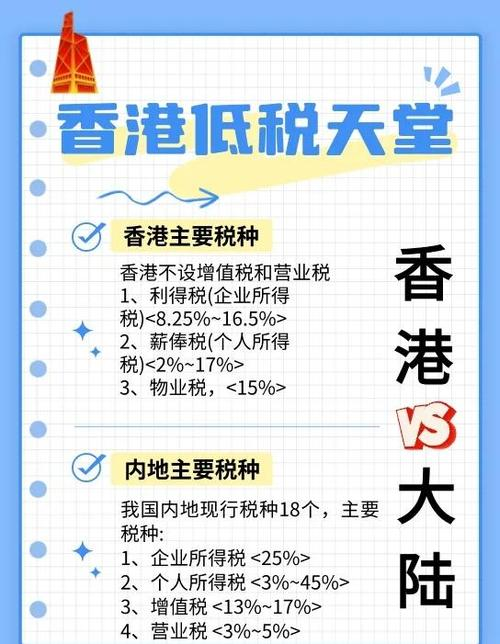
Model ii: tax residents of national origin (global tax countries)
Very few countries (e. G. The united states and eritrea) have made nationality one of the criteria for tax resident status. For example, when you have a green card or passport in the united states, but you live in china for a long time, earn a renminbi, and don't return to the united states, you are still a resident of united states taxes, and you are theoretically required to declare global income to the united states bureau of taxation。
Model iii: statelessness/multiple nationality
A person can be a tax resident in several countries at the same time (e. G. For 183 days in china, employed in hong kong and also holding a canadian passport). At this point, however, it does not mean that three taxes will be paid, but rather that the ultimate sole tax resident status is determined by the “gaby rule” in the tax agreement (e. G. Centre of important interests, habitual residence)。
Civil status = tax resident
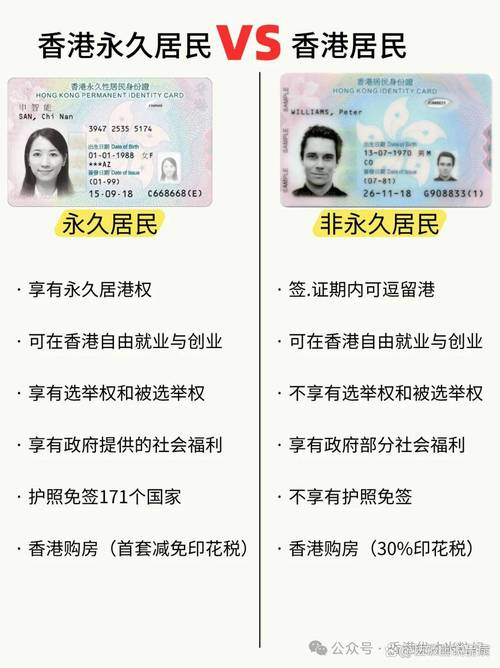
The concept of domicile is administrative and is completely different from that of tax residents. Please note that the address of domicile is the “customary place of residence” for tax purposes. According to article 1 of the personal income tax act, there are two categories of tax resident in china: first, there is residence in china: habitual residence in china because of domicile, family or economic interests. The “household registration” here is only one element, but not the only criterion, in determining whether there is a residence. For example, your account is in chengdu, but your family moved to the united states, where they have houses, jobs and families, and they don't return to china for 10 years. At this time you have no “customary place of residence” in china and are not tax residents of china. Secondly, there is no residence in china but you have lived for 183 days: even if you are a foreign passport, you will be a chinese tax resident once you have lived in mainland china for 183 days in one year. So, whether or not you have a domicile, where you are, does not directly determine whether you are a chinese tax resident or where you are taxed。
In conclusion, hong kong residents who have resided permanently outside their country and who retain chinese nationality or mainland domicile are no longer chinese tax residents as long as they do not meet the conditions for tax residents under the personal income tax act. In the case of non-chinese taxers, only the proceeds obtained from china should be taxed。