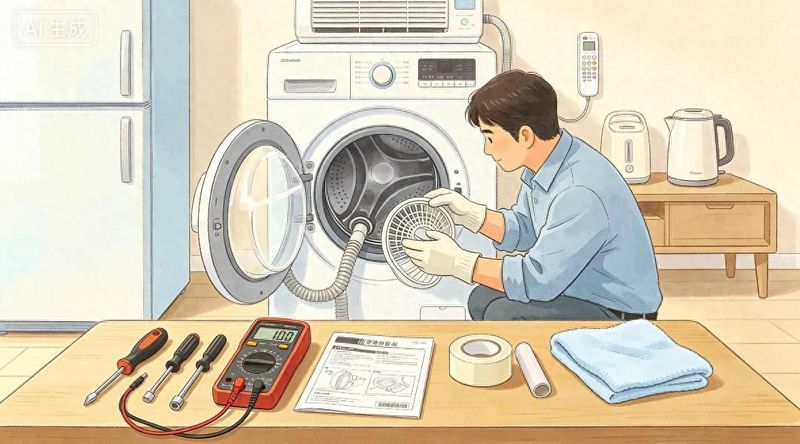
The first reaction of many people is not to fix but to change their electricity。
The washing machine is not turned, the refrigerator is acoustic, the air conditioner is not cooled and the microwave is slow to heat, and it is disturbing. With more new advertisements, many people feel that old electrical repairs are not worth it。
In practice, however, many minor failures do not necessarily have to be replaced. Some of the problems are dirty filters, poor exposure, blocked drains, missets, and take some time to check, which may solve。
And, of course, not all household electricity is for hard repair. The real cost saving is to judge the type of failure before deciding whether to fix it, find someone to fix it or change it。
First, there are two types of electrical failure: minor problems and real failures
There's a problem with household electricity, so don't just say it's broken。
In some cases, the use is a problem, not the machine itself. For example, no plugs, power jumps, no remote controls, too dirty filters, water drains blocked, and the pattern was wrong。
Many of these problems have been encountered, but not necessarily examined first。
What really needs attention is recurring failures that affect core functions and have security risks. For example, refrigerators remain unrefrigerated, washing machines leak, air conditioners are dithering exceptionally, microwave stoves are set on fire and television screens are flashed。
The former can check itself first, and the latter don't push。
Ii. Laundry machines: no turn, no leak, no sound
Laundry machines are the most easily underestimated household electricity in the family。
It's not the power that's broken, it's the door that's not closed, the tap that's open, the pipe that's blocked and the filter that's dirty. First, look at the failure code on the instructions, then check the door covers, taps, drains and filters。
If the drain's blocked, open it up and clean it up, it might be good. Repositioning can also solve the problem if there is too much clothing and too much attention。
However, if there is a leak, a leak in electricity, a burning smell of the electric power and a complete failure of the process, it is not recommended to repair itself。
Refrigerator: sound, no cooling. Don't change
The most common problems in refrigerators are acoustic, frost and non-refrigeration。
Sometimes it's just the freezer's not even, and the compressor works with a clear vibration. You adjust the bottom mat, the sound may be small。
Not cooling is not necessarily a big problem. Watch the temperature set, see if the refrigerator doors are closed, if the seals are ageing and if the condensers are too dirty。
Clean up dust and seals if the refrigerator is operational but poorly cooled. If it is completely unrefrigerated, the internal ice is severe and noise is abnormal, it requires a professional examination。
Iv. Air conditioners: non-refrigeration, heat blowing, first looking at filters and patterns
Air conditioning is the easiest thing to do in the summer。
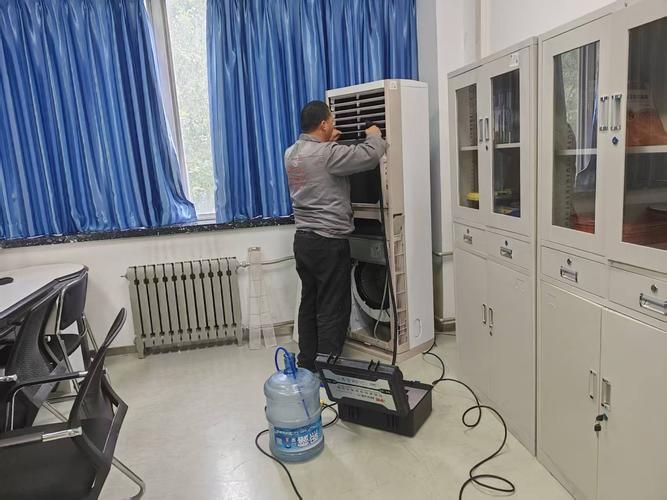
Many found that they were not cool, and the first reaction was fluorine deficiency. Not really. Refrigeration effects can be affected by dirty filters, poor outdoor heat dispersion, incorrect remote control patterns and high temperature setting。
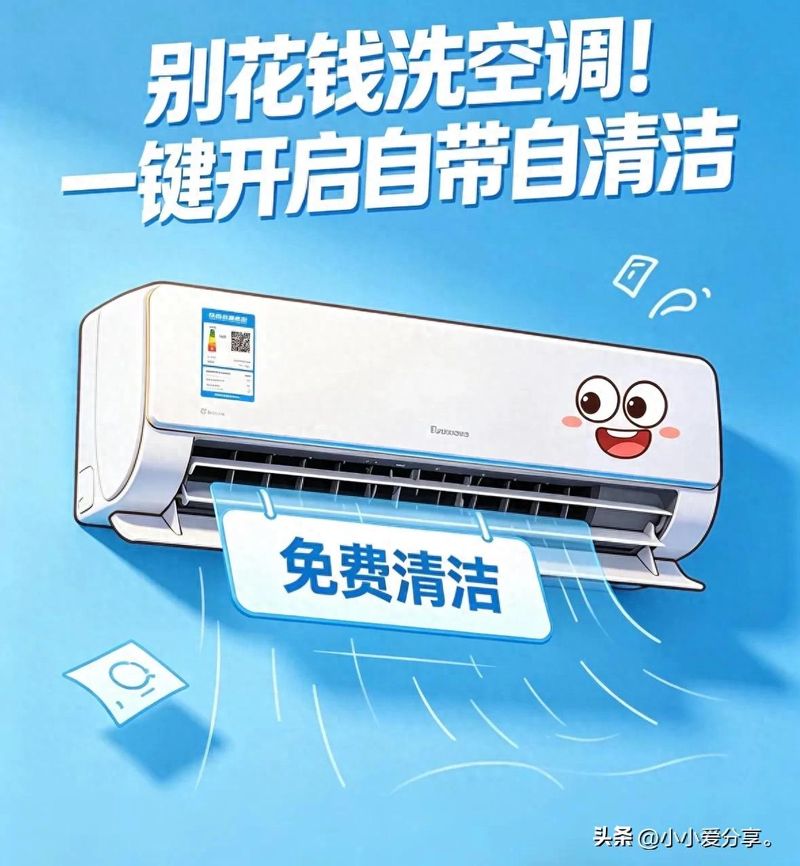
Clean the filter first, then make sure the pattern is cool and the temperature is set too low. If the exterior is blocked by miscellaneous items, the vents are also cleared。
However, if the air conditioner is frequently shut down, the heat is blowing, the external accelerator is acoustic, and it is not handled by itself。
V. Small household electricity: small problems can be repaired and safety issues can not be used
Microwave stoves, electric cookers, electric kettles and air-cooked pots, which are small household electricity, are not expensive, but they are broken and need not be thrown away immediately。
E. G., the failure of the electric cooker key, which may be simply water intake or poor exposure; the lack of heat in the electric kettle, which may be a bottom contact problem; and the slow heating of the air frying pan, which may be too oil-contaminated。
But small household electricity is also the most vulnerable to safety risks. The shell melts, the power lines are broken, the hair is blackened, the interior fires and the electricity leaks are not repaired。
In particular, heating-type appliances are replaced by new and more secure appliances once there is a security risk。
Six, fix your own electricity. Remember these principles
Home electricity maintenance is not a bold thing to do. It is always safe。
First, power cuts。
The power is removed as long as it involves dismantling the inspection, removing the parts and cleaning the interior。
Second, no electrical repairs。
Don't pull the machine while plugging it. It's risky。
Third, read the instructions。
A lot of trouble notes have a routing procedure。
Fourth, don't tear down the core parts。
Main boards, electrics, compressors, high pressure parts are not recommended for non-professional treatment。
Fifthly, the smell, smoke and electricity leaks stop immediately。
This situation is not a problem of savings, but of security。
Vii. Finally, saving money is not hard, but a judgment
It is not necessary to change electricity frequently, and not all failures are worth repairing。
Simple questions, such as filtration, poor exposure, drain blockage, bugging, self-inspection. Complex issues, such as the main plate, compressor, electric power, power outages, and fire, require specialization。
People who are truly able to live are not repairing or changing everything, but are able to judge what money is in the province and what cannot be saved。
It's good for electricity, it's good for repair, it's good for change. Don't change your face early, and don't fix old household electricity with security risks to save money。
Topical discussion
Did your house have electricity that was supposed to be broken? Just check it out? Do you think it's more cost-effective to fix your power problems, or do you think it's easier to fix them? Welcome to the comment section to share your views。