Technologies and attention for the cultivation of strawberries in winter, how to ensure their production and quality
Technology and attention for winter strawberries
Special technical support and careful management are required for the cultivation of winter strawberries. Strawberries are used as fruits and vegetables that are more demanding in the growing environment, and in winter cultivation needs to pay particular attention to the regulation of climate, soil, light, etc. To obtain high-quality strawberry fruit, growers must adopt appropriate planting methods and strengthen later conservation and management. The following are key technical points and concerns in winter strawberry cultivation。
I. Material preparation
The choice of strawberry seed
The choice of suitable strawberry seedlings is essential for winter strawberry cultivation. Four seasons of strawberry seedlings are usually recommended because they are more cold-resistant and better adapted to low-temperature conditions. In selecting a tree, it is first necessary to ensure that the root line of strawberry seedlings is complete and disease-free, that they are not too old, and that the best option is a healthy and developed seedling. The choice of trees directly affects the survival rate and subsequent growth performance of the plant. In order to facilitate smooth rooting of strawberry seedlings, it would be preferable to select seedlings with part of the soil, which would reduce root damage and promote better adaptation of plants to the new environment。
Soil preparation
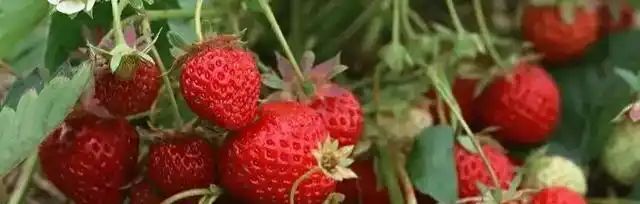
Strawberries are more demanding for soil conditions and must select clean and well-drained soils. Avoid the use of soils that used fertilizers and pesticides on agricultural land, as these may affect the normal growth of strawberries. Ideally planted soils should be organically rich and well ventilated, and forest soils or decayed soil are usually more suitable for strawberry growth. Soil ph values should be maintained between 5. 5 and 6. 5, and micro-acid soils are the optimal growing environment for strawberries that can effectively contribute to their nutritional absorption。
The choice of the flower pot
The choice of a flower basin is particularly important for family or indoor cultivation. The flower basin needs to be well drained and at least two drainage holes must be installed at the bottom to ensure the timely discharge of the accumulated water and to prevent root decay. The size of the flower basin should be chosen in terms of the number and size of strawberry seedlings, which can neither be too small to affect root system development nor too large to prevent water accumulation from affecting root system gas。
Ii. Cultivation steps
Sapling and pressure
When strawberry seedlings are planted, the seedlings should be fully buried in the soil and the surrounding soil should be lightly pressed. Ensure that the roots are in close contact with the soil and facilitate the absorption of moisture and nutrients. During planting, the soil is not too loose or too hard, and loose soils do not contribute to the stable rooting of strawberry seedlings, while too tight soils limit the breathing of the root system and affect growth. The moderate soil density helps the strawberry roots to obtain better growth space in the soil。
Water and drainage
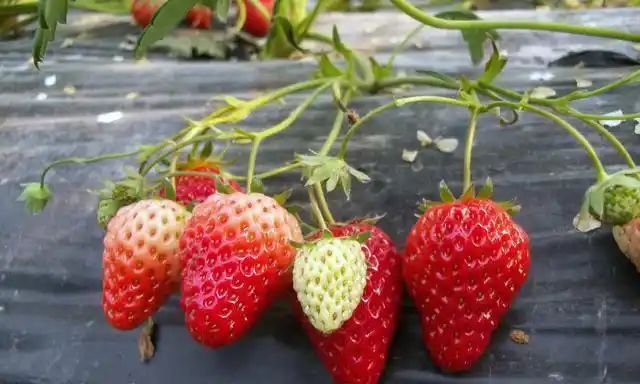
The planting of strawberry seedlings should be followed immediately by water so as to ensure that the moisture can penetrate the bottom of the flower basin and flow through the drainage hole. The proper amount of water, too much or too little, can affect the root growth of strawberries. In winter, with lower temperatures and slower growth of strawberries, water should not be used too frequently, but soil humidity still needs to be maintained. In particular, soil accumulation should be avoided and root causes of decay should be avoided。
Light and ventilation
Strawberry plants like to have plenty of sunlight, so they need to place their flower basins in areas with plenty of sunlight. In winter, despite relatively short daylight periods, there is still a need to ensure that strawberry plants are able to receive sufficient natural light, which is essential for promoting their photosynthesis and healthy growth. Indoor strawberries should be avoided in too dark a place. Regular change of location to ensure that each strawberries receive a balanced exposure to sunlight. In addition, a good ventilation environment contributes to the growth of strawberries and to the prevention of diseases such as fungus。
Temperature control
Control of the temperature becomes particularly important in the light of lower winter temperatures and slower growth of strawberries. In cold areas, greenhouses or indoor planting are recommended in order to better control temperature. In greenhouses, the temperature should remain between 10°c and 15°c, with too low temperatures leading to a thawing of the root of strawberries, while the appropriate temperature helps them to continue growing. Humidity also needs to be effectively controlled, and excessive humidity increases the risk of pests and insects, thus ensuring good ventilation and avoiding excessive humidity。
Iii. Last management
Fertilizing and trimping
Strawberry growth requires appropriate nutrient support, but in winter, due to its slow growth, the application of fertilization is appropriate. In the early stages of planting, nitrogen, phosphorus and potassium compound fertilizers can be used to promote root growth of strawberries, but it is not appropriate to over-fertilize to avoid soil salinity accumulation. The slow growth of the winter strawberries should reduce the frequency of fertilization. Regularly triming aging or pest blades helps to increase the light-cooperative efficiency of strawberries, allowing plants to concentrate more nutrients on new growth。
Prevention and control of pests and diseases
Winter humid environments are prone to diseases and pests, such as grey and powdery diseases. In order to ensure the healthy growth of the strawberry plant, the leaves and fruits of the strawberry should be regularly examined and the sick leaves removed in a timely manner. When necessary, a number of non-hazardous biopreventives, such as copper formulations or organic microbicides, can be used to combat them. In addition, keeping the culture environment dry and clean helps prevent the growth of pathogens。
Fruit harvesting and preservation
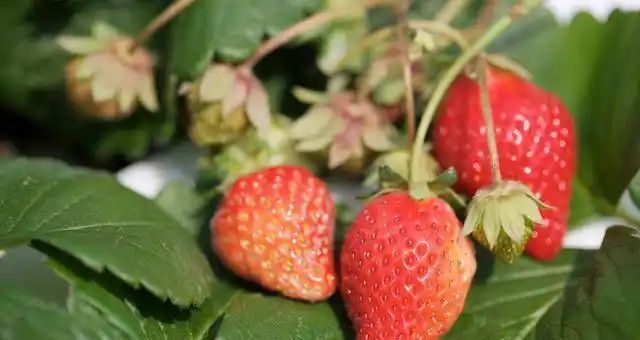
Once strawberry fruit begins to mature, timely harvesting is key to ensuring its taste and quality. Strawberries grown in winter are usually small and tasted more sweetly, so timely harvesting ensures their best taste. After harvesting, strawberries should be kept as long as possible and stored in refrigerators to extend their shelf life. However, even when stored in refrigerators, the preservation period for strawberries is limited and it is desirable that they be consumed at short notice。
Winter strawberry cultivation requires integrated management of temperature, humidity, light and soil quality. The healthy growth of strawberries and the fruits of harvests can be effectively ensured through scientifically sound planting techniques and careful later management。