Tulip cultivation and conservation master plan
The tulips, the beauty of this flower, have become the heart of countless flower lovers with its elegant bouquet and colour. A range of professional and sophisticated techniques are required for successful cultivation and careful conservation of tulips. Next, we will provide you with detailed guidelines from the selection of seeds, soil preparation, planting points, light demand, temperature control, water fertilization, pest control and routine maintenance, so that you can easily become an expert in tulip cultivation。
I. Selection and treatment of balls
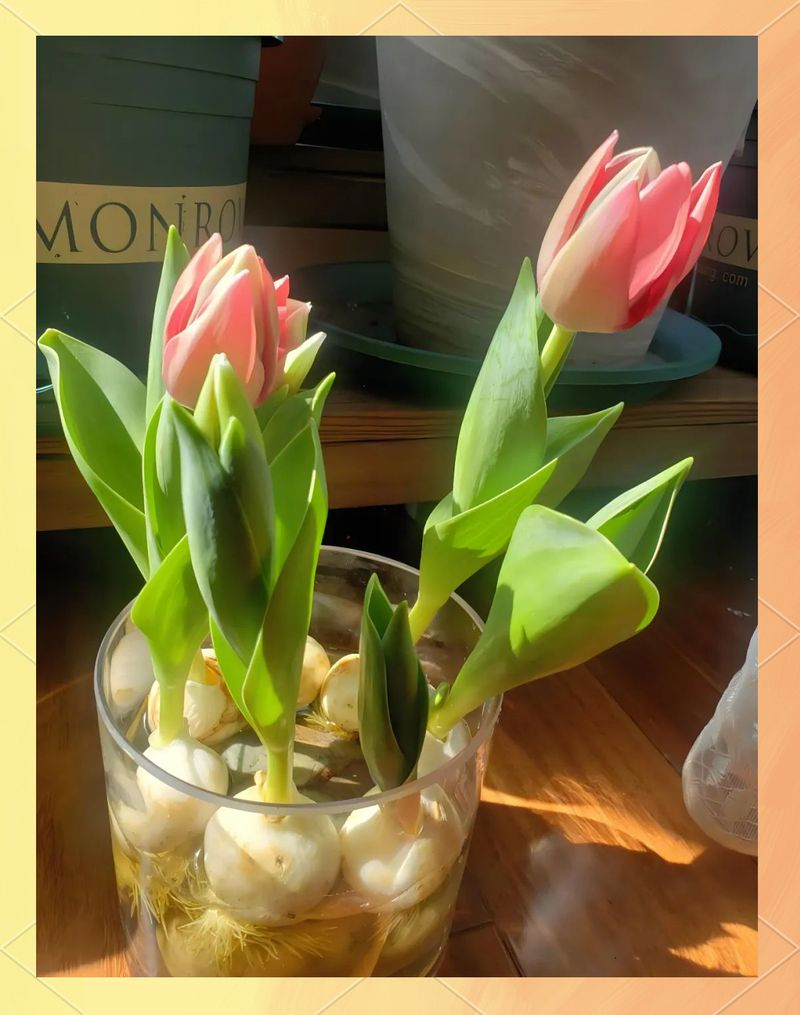
In selecting tulip balls, preference shall be given to well-dressed, non-significant damage or disease-free and full seed balls. Large species tend to contain more nutrients and contribute more to the growth and flowering of tulips. Prior to planting, disinfection of seed balls is an essential step. You can soak it in a diluted polybacterial solution for about 20-30 minutes to prevent seedling infections during planting。
Soil preparation
Tulips tend to be loose, fertile and well drained. Leaf, peat and pearl rock are recommended for mixing at a ratio of 2:1 or peat, corroded soil and sand at a ratio of 1:1. At the same time, soil acidity should remain between 6 and 7 levels. If the soil is too acidic, appropriate additions of lime can be made to regulate. Ensure that the soil is well ventilated and water-preserving and avoids being planted in mud or humid soils, thereby contributing to the healthy growth of the tulip root system。

Iii. Elements for putting
The selection of planting containers suitable for tulips is essential, and their size should be determined by the number and size of the balls, usually at depths around 15-20 cm, to ensure that they have sufficient growth space. The bottom of the container needs a drainage hole to avoid water accumulation problems。
The timing of planting is usually selected in the autumn (september-november), but the timing can be adapted flexibly to local climatic conditions. During the planting process, the point of the seed ball should be up and the control of the seed ball should be buried at a depth of 2-3 times its height, approximately 5-10 cm. At the same time, it is important to ensure that the space between the balls is approximately 10-15 cm, so that the plant can stretch the leaves and roots smoothly。
Once the planting is completed, adequate water is required to ensure that the soil is closely integrated with the seedlings. The soil should then be humid, but care should be taken to avoid water accumulation in order to prevent the planting of balls from decomposition。
Iv. Light needs
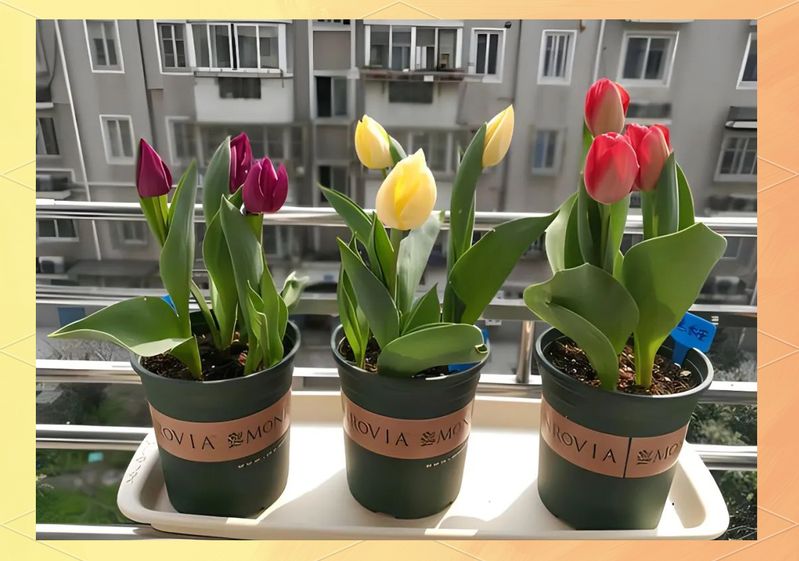
The tulips favour adequate light and require at least 6-8 hours of light per day during their growth. In the early stages of cultivation, rooting for the promotion of seedlings can provide appropriate shades of light; after the gestation, the light should gradually increase to assist in the growth of the plant and the separation of the bud. During the flowering period, care needs to be taken to prevent direct sunlight to prolong the flowering time。
V. Temperature management
The tulips prefer warm winter and cool summer environments. The most suitable temperature range for growth is between 15 and 20°c. Under the right conditions of temperature, tulip sprouts are encouraged。
In winter, if the temperature is too low, heating measures are required, such as moving the flower pots indoors or packaging them with warm materials. In the summer, the tulips go into hibernation, and if the temperature exceeds 28°c, it is necessary to guard against summer cooling in order to avoid adverse effects on the plant。
Water and fertilizer strategies
During the growth of the tulip, water should be watered on the basis of the damp condition of the soil, usually two to three times a week. During hibernation, the number of waterings should be reduced and the soil should be kept humid。
Tulips are not in high demand for fertilizers. In the early stages of growth, nitrogen fattening, such as urea, can be applied and diluted in accordance with the instructions to promote the growth of leaves. When the tulips appear, potassium phosphorus fertilizer, such as potassium phosphate, diluted leaves or root watering, should be modified to facilitate the growth and openness of flowers。
Vii. Pest management
The tulips may be threatened in their growth by diseases such as grey and root decay. In order to prevent asymptomatic diseases, it is essential to maintain ventilation and reduce air moisture while periodically inspecting the plant, removing and destroying the leaves or flowers as soon as they are found and, if necessary, treating them with microbicides such as bacterial cleanliness. For root causes, it is essential to ensure that the soil is drained well, that water is avoided, and that, in the event of a disease, rooting can be used for the treatment of diseases such as virulent agents。
In addition, tulips may be affected by pests such as aphids. When pests are found, 3% of natural pyrethroids are selected for spraying. At the same time, maintaining good ventilation in the tulip-growing environment and avoiding high temperatures and humidity are important measures to prevent pests and diseases。
Viii. Daily maintenance
The tulips, as a perennial plant, are properly trimmed in the spring and autumn and contribute to their new growth. At the same time, the regular removal of leaves and dead branches is an important step towards maintaining the healthy growth of the tulips. At the end of the flowering period, care should be taken to control the temperature and humidity of the environment in order to avoid the adverse effects of high temperatures and humid environments on plantations. For plant tulips, periodic change of basins provides more adequate growth space。
Ix. Summary
The cultivation of tulips requires comprehensive attention and scientific conservation. From the selection of good quality seeds, the preparation of suitable soils, the acquisition of appropriate planting techniques, and later light management, temperature control, rational watering and fertilization, every link is essential. Only by carefully following these steps and recommendations can a beautiful and elegant tulip be cultivated. Have a good trip with your tulips and enjoy the good times of the flowers