It's been a little different lately. There is no silence in the old village, but there is a fire. The sound of the machine mixed with the cries of the villagers。
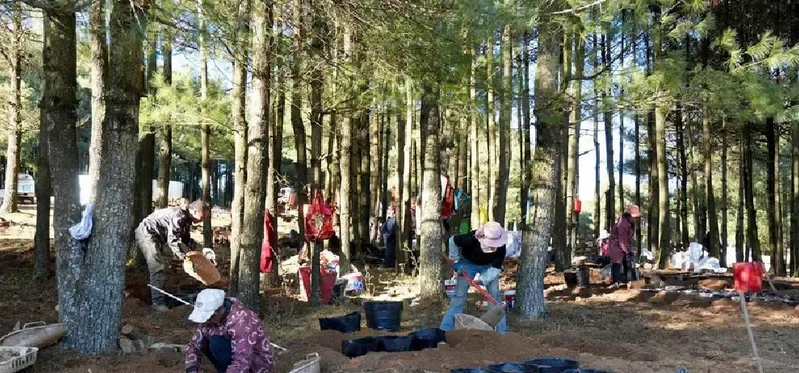
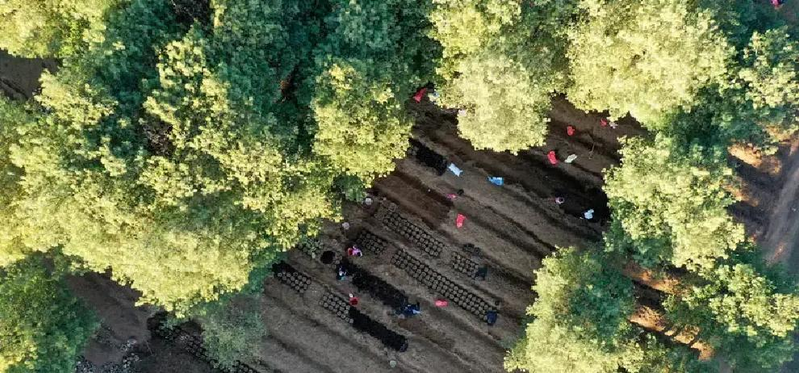
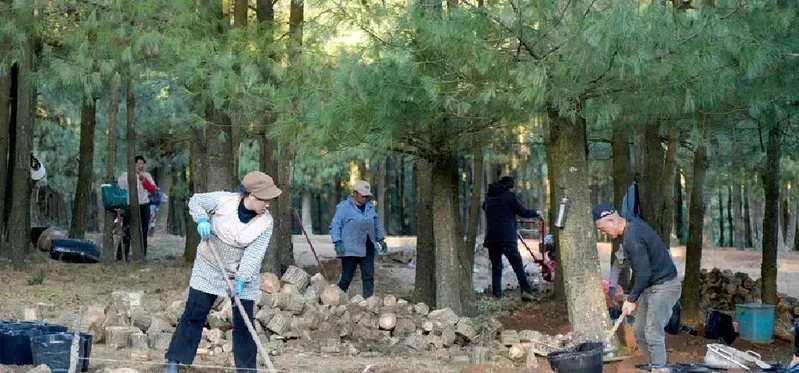
This winter, starting in september, the sandy slopes have created a breeding tide of sterilism beds, with hundreds of people working every day. Some are old farmers and many young people come back, each with a good hand and foot and can get a hundred barrels a day. The drums are primed and bacterial, ready for the bottom of the second year of harvest. A detailed division of labour — the digging of beds, the loading of materials, the fungus and the earth — walks around the forest and sees busy bodies。
This forest is different from anywhere else. The pine tree is tall, thick, corroded and radiant, and in any case, it is a “grateful opportunity” for the qin. The potion likes to be damp and priced on the market. In 2024, the forest field was introduced into the business and played a game of “similar wild cultivation”: it was no longer necessary to cut trees, let alone destroy land, and it became an excellent plantation under the forest. For the first year, 4,000 acres were planted, and the good harvest quickly increased the number of pens to 10,000 acres and drove the surrounding industry forward。
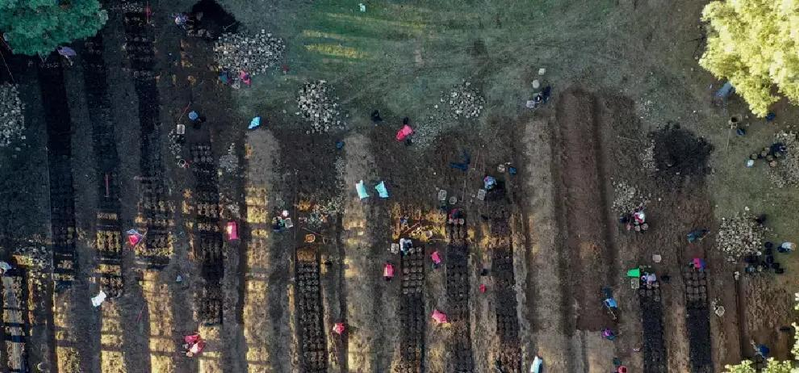
In terms of this method of cultivation, the outsiders are new, but there have been precedents in the area of the river a few years ago: they do not destroy trees and produce bacterial beds under natural conditions. After all, the forest space cannot be wasted, and the cynics do not compete with trees for nutrients, and they also bring benefits to forest lands. Compared to the old practices of deforestation, this wildlife imitation follows the ecology. A plastic drum, a corroded earth, together with honey circulus, has been packed in, the fungus bed has been built over the past few months, seeds have been placed in the drums, the forest has its own cavity to protect itself, with little additional input. The forest fell a lot of leaves in a year and inadvertently became free nutrients。
This cynicism has not only kept the ecology intact but has also allowed the rural people to find a way to live. The base needs manpower at every stage, and the old farmers calculate their wages on a piece-work basis, and young people enter and leave, so that they can earn money at the door. Asking a few people who are working, they say it's a good deal. It's not a problem to get $200 a day. The fact that women and children combine household chores and earn a living by subsidizing the household has really improved many lives。
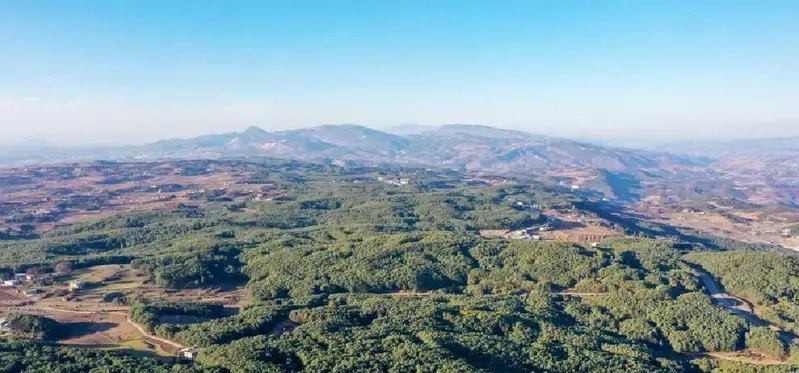
Industry upgrades, as well as out-flowing labour. Many of the village's first-year workers now feel more stable. Not everyone can get a job in town. What about the old folks? There is now room for expansion in mountain-like areas of forests where there is a lot of work and income and where there is no need to leave。
There is also much more to be said about the corrosive bed breeding and the circulination ring, each of which uses human hands and rarely combines agricultural labour so efficiently. Don't look at us all as just a day's work, and the long-term income of the villagers is not small. Business acquisition is guaranteed, popular cultivation is highly motivated, and ecological dividends and economic efficiency are simultaneously advanced, which is called the solid green mountain, the silver mountain。
Now that tianma is entering the market, this “silent” under the forest has given rise to a lively livelihood. Viinen, using forest resources locally, has spread more than a piece of sandy slopes and over 20,000 acres across the county, generating more than thousands of farmers. Behind these figures are the twin stories of ecology and development that deserve to be slowly touched。
In winter, the sunset before the end of the work was spilled in the woodfield, the fermentation of the fertilized soil under the pine needles slowly grew, nourishing the grass and the wood here, and lighting the hopes of many families. There is little to say that it is perhaps these pragmatic changes that drive small villages to become different。