How do you detect formaldehyde? This is for you
Formaldehyde is a common harmful gas, and it *** exists in our living environment, such as furniture, furnishings, home electricity, etc. Long-term exposure to high levels of formaldehyde can have serious health consequences for humans and even cause diseases such as**. It was therefore important to know how to detect formaldehyde excesses. This paper provides you with several common methods of testing formaldehyde to help you protect your health and that of your family。
I. Formaldehyde detection instruments

Formaldehyde detection instruments are one of the methods commonly used for formaldehyde detection. There are many different types of formaldehyde detection instruments on the market, including portable detectors, indoor air quality monitors, etc. These instruments determine whether or not formaldehyde is exceeded by measuring concentrations in air. When using formaldehyde detection devices, they are operated in accordance with instructions and care is taken to maintain their accuracy and stability。
Ii. Response for the elimination of arbitration
Formaldehyde detection reagents are another common method of formaldehyde detection. This method usually uses reagent boxes to determine whether formaldehyde concentrations exceed the standard by chemical reactions between reagents and formaldehyde in the air. Where formaldehyde is used to detect reagents, they need to be operated in accordance with the instructions, and care is taken to preserve the reagents and to maintain their validity。
Iii. Specialized testing institutions

If you do not have any certainty about your formaldehyde test results, or if you need more accurate tests, you can choose to commission the tests to a specialized testing agency. These institutions usually have the relevant qualifications and equipment to provide accurate results of formaldehyde testing. When selecting a testing institution, care should be taken to select a body with credibility and reputation and to understand the reliability of its testing methods and reporting。
Iv. Daily prevention and control
In addition to regular formaldehyde testing, some routine prevention and control measures can be taken to reduce the risk of formaldehyde exceeding standards. First, the release of formaldehyde is minimized through the selection of furnishings and furniture that meet environmental standards. Second, the maintenance of indoor ventilation and the regular opening of windows for fresh air contribute to the volatilization and dilution of formaldehyde. In addition, indoor temperature and humidity control can reduce the release and volatilization of formaldehyde。
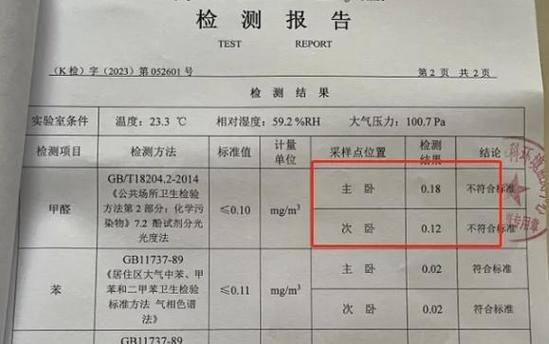
In conclusion, it is essential to understand how formaldehyde is being tested. Through the use of formaldehyde detection instruments, formaldehyde detection reagents or commissioning of specialized testing agencies, we can detect and resolve the problem of formaldehyde excesses in a timely manner. In addition, daily prevention and control measures are an important means of protecting our health. Let us all focus on indoor air quality and create a healthy and comfortable living environment。
Headline: formaldehyde exceeded standard. How to detect formaldehyde concentrations and protect health