The party's 20th report states: “a comprehensive conservation strategy is to be implemented to promote the intensive use of all types of resources and to accelerate the construction of a waste recycling system.” in our country, the size of agricultural production is such that the amount of straw produced each year is enormous, especially for the main crops, such as rice, wheat and maize, and the total amount of straw remaining after the harvest. Moreover, the production of straw is much higher than that of food. As a result, straw is more of an agricultural resource than waste, and using it to generate benefits is the focus of team research。
The slurry is the total name of the mature crop leaves. This usually refers to wheat, rice, maize, potatoes, oilseeds, cotton, sugar cane and other crops (usually coarse grains) remaining after the harvest of seeds. As agricultural waste, irregular treatment of straw can have adverse effects on both agricultural development and environmental protection。
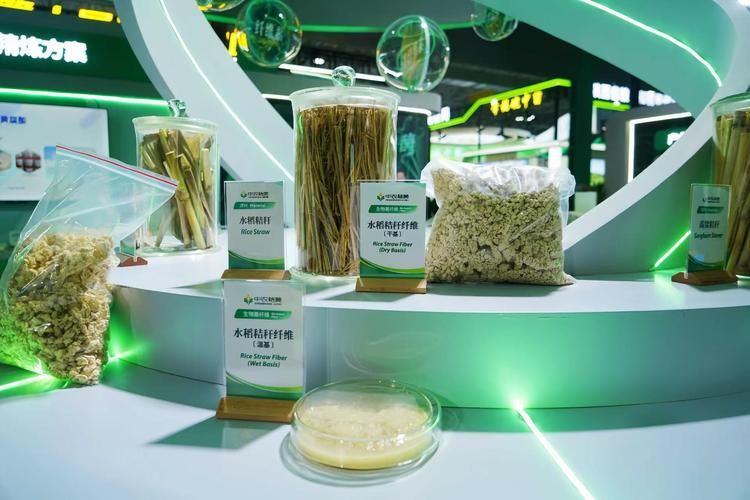
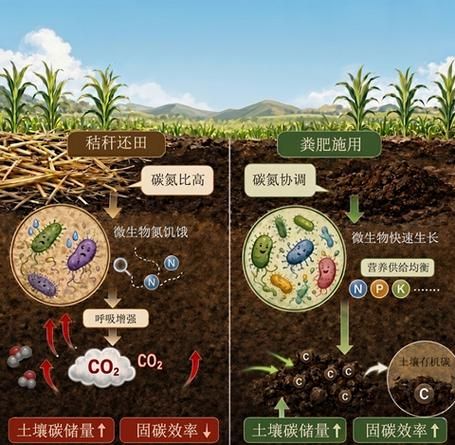
According to the ministry of agriculture and rural development, in 2023, the national combined use of straw was over 86 per cent. However, as a result of research studies, the straws in many areas are still being treated by composting and grinding back. Plumbing in the fields not only results in waste of agricultural resources, but also, in the absence of proper management and control, can trigger greenhouse gases such as fires, pests or decay that generate methane and exacerbate climate change. At the same time, the slow rate of degradation of naturally degraded straws will compete with crops for nitrogen in the soil, seriously affecting crop growth in the next quarter, and a greener new treatment is urgently needed。
The natural degradation rate of the straw is slower because of its particular cell structure. It has been documented that the degradation of straws can be influenced by biochemical effects induced by specific functional micro-organisms, such as sprouts, quartz, streptococcus, etc., which are better cellulose degradation, and biochemical degradation of carpenters, such as white and brown. Microbes contribute to the degradation of steroid cellulose by drinding hydrolytic enzymes and oxidation enzymes, e. G. Beta glucose enzyme can decompose fibres to glucose, wood polyglucose can degrade semi-celluloses to oligarine, and manganese peroxide enzymes and paint enzymes can degrade woodin to small molecular compounds. This provides new ideas for the treatment of straws with micro-organism。
The tsingjin university of technology's clean source team has conducted research in a number of important growing areas in the north-east, north-east and medium-sized china, relying on the ministry of education's industrial microbiology focus laboratory, selected and genetically engineered by hundreds of experiments from nature, which are more resistant to the environment, the black argon, the lithosis, etc., using these microbiological microbicides to treat the straw and transform it into organic fertilizers, feed or chemical materials that are nutritionally and biologically active, degradation of “resolve” wood and cellulose in the straw, thus providing an important resource for agricultural production, contributing to the development of agricultural production and reducing pollution and the waste of resources in the environment, contributing to the transformation of straw into organic “farm family treasures”, improving the rural ecological environment, making agriculture strong, farmers rich and rural beauty。
For treated straw, the first is high-yielding lemon acid, which is an important source of raw materials such as chemicals, food, etc. The second is fermentation feed, which improves animal productivity, immunity and disease resistance. The third is the slurry organic return to the field as an antidote to phosphorus fungus and the decomposition of the slurry molecule into small molecules, into organic fertilizers, improving soil structure and quality and increasing soil fertility。
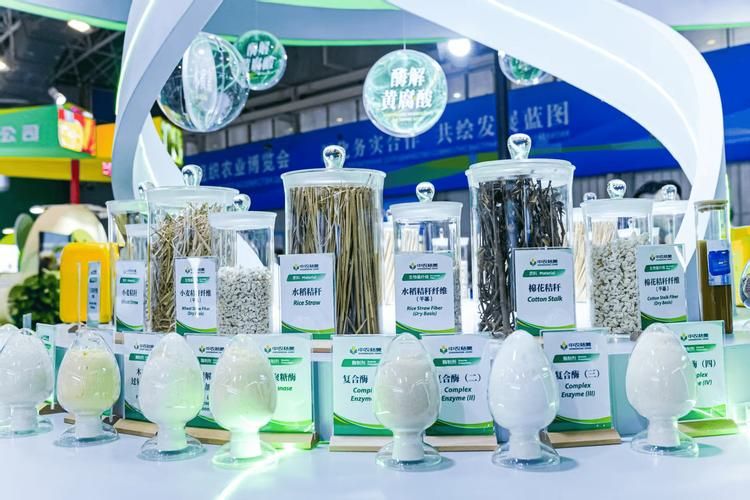
Tianjin university of science and technology, a “net-source” team, is responsible for achieving strong agriculture, rich farmers and rural beauty. The proposed green economy solution to the straw effectively implements the development concept of green water is silver mountain. These green economy solutions to straws not only effectively address the challenges of agricultural waste management, but also promote sustainable agricultural development and eco-civilization as a path and model for sustainable development. (liu ji-ming, chen yiping, zhou yufan)