It's the special smell of fragrance that keeps the people who love it alive! Whether it's dumplings, steaming or cooking, it's not missing. A lot of people want to grow their own aroma, eat and eat, and be fresh and convenient. But you know what? The most important thing to grow is to manage the "gold season", choose the right time, and do more
Today we will share the three points that must be kept in mind in order to free you from the aroma
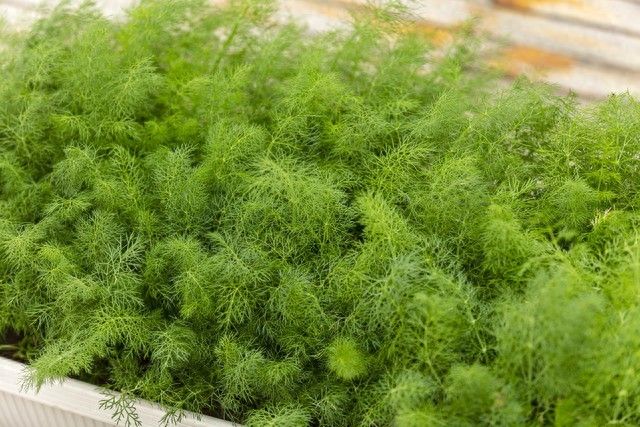
I. Seizing two “gold periods”
Its favorite growth temperature is between 15 and 25°c, which is neither cold nor hot. Thus, two periods of the year are the most suitable for the cultivation of aroma。
Spring planting: spring is the golden period when the aroma is grown. When the soil is unfrozen and the temperature stabilizes at 5°c-10°c, seeding can begin. The northern regions are generally more suitable between late march and early april. Temperatures in the south have returned early and seeded between late february and early march。
Autumn planting: autumn is also a good time to grow aroma. Autumn broadcasts generally take place between august and september, with northern areas such as hebei, with the best planting periods between early september and mid-september. Temperatures are declining at this time, but they remain at a more moderate level, favouring the growth of aroma seeds and seedlings。
In winter, if you want to grow home-grown aroma, you can plant it in a shed, and if the temperature is above 15°c, you can grow normally。
Critical preparation before seeding
Selective treatment: selection of seeds with strong branching, productive, inverted and full seed grains and colour. Seed treatment is best done before seeding: seeds are immersed in cold water about 15°c for 12 hours and rinsed, followed by seeding at 18-20°c. Once the seed is sprouts, it can sow。
Whole area fertilisation: ribbon requires soil fertility. It is suitable for planting in the sandy and sandy soil of pine, fertile and well drained. The seeding is preceded by the application of foot-based fertilizers, with organic fertilisers of about 3,000 kg per acre, with an appropriate composite mass of fertilizer, which are distributed evenly and then then thrown into the soil. The ground is covered with deep dredges to ensure that the soil is lax。
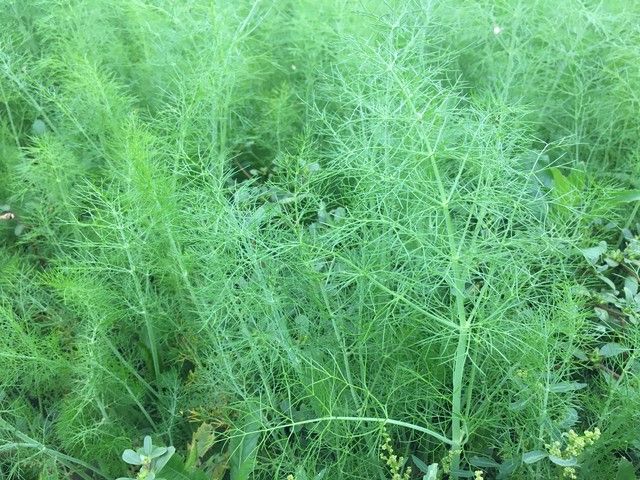
Careful management of harvests
Seeding techniques: the fragrance can be broadcasted on a strip or cave. The distance of the line is maintained at 25-30 cm and the range is controlled at 4-6 cm. The sowing depth is approximately 1. 5 - 2. 5 cm. They cover a thin layer of soil and are properly repressed. In autumn, when rain is heavy, the water rises high and is covered with film to protect the seedlings from rain。
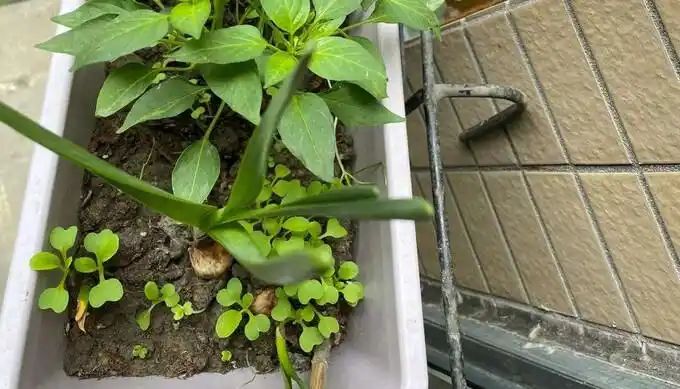
Interstellar seedlings: the aroma seedlings have weak soil capacity and grow slowly. It's time for the seed to grow. When the real leaf appears, the seedlings begin to grow at a distance of about 4 centimetres. The first seedling is performed at heights of 5-6 cm and the second seedling at heights of 12 cm. The seedlings need to be “crazy” in order to keep the two seedlings in place。
Fertilizer management: the aroma is a drought-prone and wet plant, and moisture management is critical. Shrimp periods should be as low as possible and can be watered in small quantities when surface soils are dry. The rains are followed by timely drainage, as more than eight hours of field water accumulates, resulting in flooding and the death of plantations。
The whole life is usually followed by two to three fats. Up to 7-8 cm, urea can be combined with water, with an acre mass of about 10 kg. A second fat chase takes place at 10 cm height. Potassium dihydrophosphate can be sprayed in the later stages of growth, increasing by 1,000 grains。
Temperature control: the aroma is anti-heat and grows well at 15-20°c. If temperatures reach 25°c, ventilation should be enhanced. The winter sheds should be kept warm and not less than 5°c at night。
Harvest and sustainable harvesting techniques
When the aroma plant is 20-30 cm high, it can be harvested. The best part of the aroma is that it can be harvested many times. Multiple harvests are cut at a distance of 2-3 centimetres from the ground, then fertilizer is applied to promote growth, and new branches are sent out over time, so that they can not be fully eaten。
If seeds are to be harvested, they are to be harvested as the bark gradually changes from green to yellow, with light black vertical lines. The harvest is dry in time。
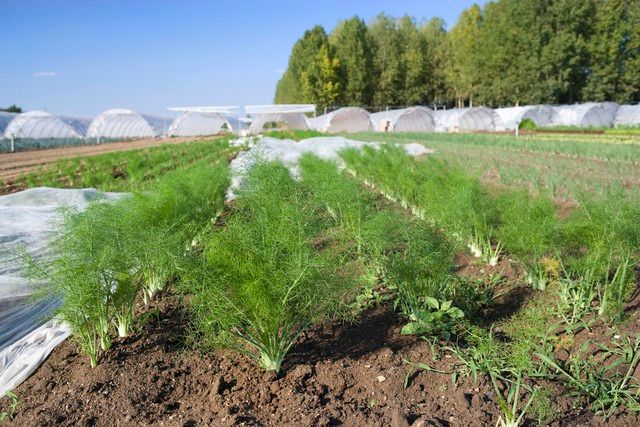
Remember these three points -- two periods of gold cultivation, pre-plant preparation, precision management, and you'll be able to make it easy. It's free. There's plenty of fresh tea to eat all year. Let's get this done. Let's take care of the next fall