I can't believe it. It's a good thing we found that store 10 years ago, and the records show that it belonged to paraffins, and the alloy spring was still out。
It's a 10-year-old heat valve that's not working
I bought a new valve to replace it, of course it's useless。
There was a card on the knob
The ministries are easily identifiable。
Take out stainless steel filters, a plier and a hammer
First look at this side of the head by the spin button
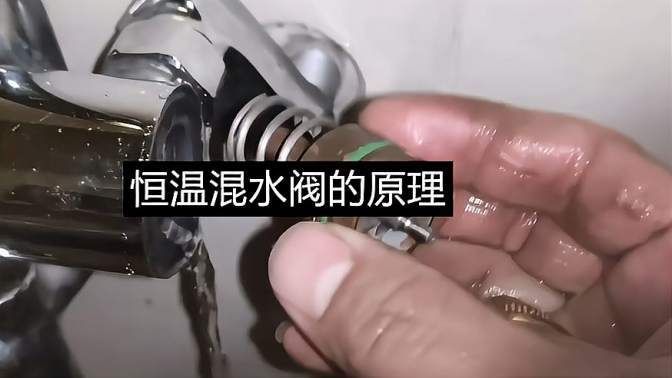
This thing will move inside when the button turns
Take it out. It's a multi-snail structure
And look at this side of the voltage button, except for two waterproof ducts and a plastic sheet。
According to the location of the plastic sheet, it's supposed to be a lubricating tefron。
Look at this. There's some rubbing on the bottom. There's gotta be a story, right
Remember it first, it should be used。
And look at the top one, there's a screwdriver on the other side, and it opens up, and it's got a spring on it, and it's active
This half is done. Bring the other half. It's a lot easier here. It's just a few simple things
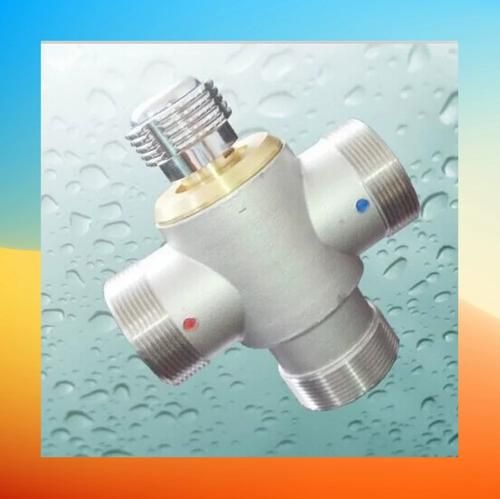
Look at this core, which is said to be filled with paraffins, which, in response to temperature changes, can drive the top pole, which is the upper pit。
The holes on the side are cold water routes, which then flow directly with hot water in the core copper tube. This copper pipe with paraffins is different from the other parts of the valve core
As you can see, there's a screw in the middle pole. Try it or not. Open
With a plier, i pulled the penthouse. I can't believe it's not locked inside
Let's see how it works down there。
Let's load it up and see how big it is
Cold water is completely open, and the hot water is closed. It's only 0. 7 millimeters, and it's only 0. 7 millimeters. It doesn't look like much action can go from extreme to extreme
The hot water's open. It's not as good as cold water。
Hot water is closed
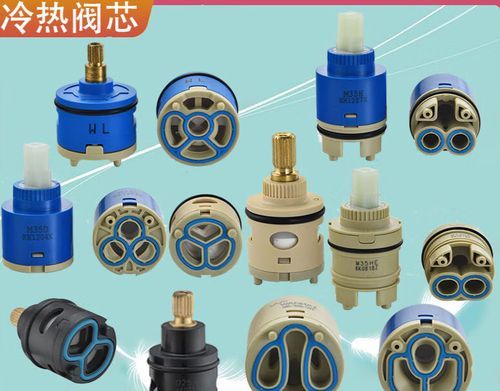
The general principle is clear: when cold and hot water blends down, the condensation of the core copper tube is smaller than that of paraffins, the overall effect of the condensation, the condensation of the pin, the length of the condensation of the valve to the hot water, the length of the condensed condensation of the condensation, so that the proportion of water entering becomes more hot, less cold water becomes less cold, and the temperature of mixed water increases. When the temperature of cold and hot water gets high, of course it goes backwards。
Since the thermostat is installed directly in the cold and hot water mix and the core brass tube is a very hot material, the temperature of the paraffins is adjusted very quickly, and the water vent of the valve is already almost constant。
The reason the valve core is broken is found, not because the paraffins are leaking, but because it's so quiet... I'm showing the size of hot and cold water without springs. - it's clear that the seal at the core of the valve is not working, and cold and hot water is mixed directly here, and it's not gonna shut down anywhere。
This is an interesting function of the constant-temperature core, which when cold water is cut off for hot water, it will shut off the output and avoid burns. This is in fact due to the fact that, in this case, the core of the valve will shut off the hot water directly because of the excessive temperature of the mixed water, and since the cold water has been cut off, the overall effect will be the same as that of the constant temperature valve turning off all the water。
♪ end ♪
This post contains more resources