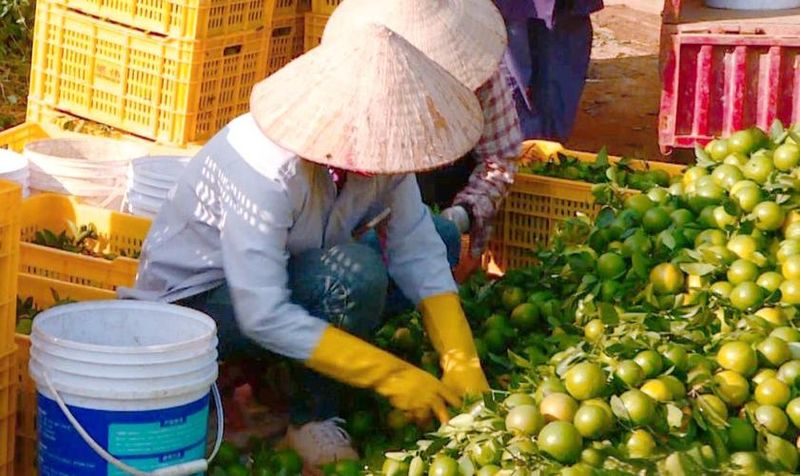
On october 20th, the daily newspaper newspaper le zhou, a correspondent, entered the citrus planting base of the brick wall and foot village in bung ding town, china county, on a mountain-spreaded citrus tree full of branches, and villagers travelling through orchards are working on the care of the new citrus type of "the emperor's house"。
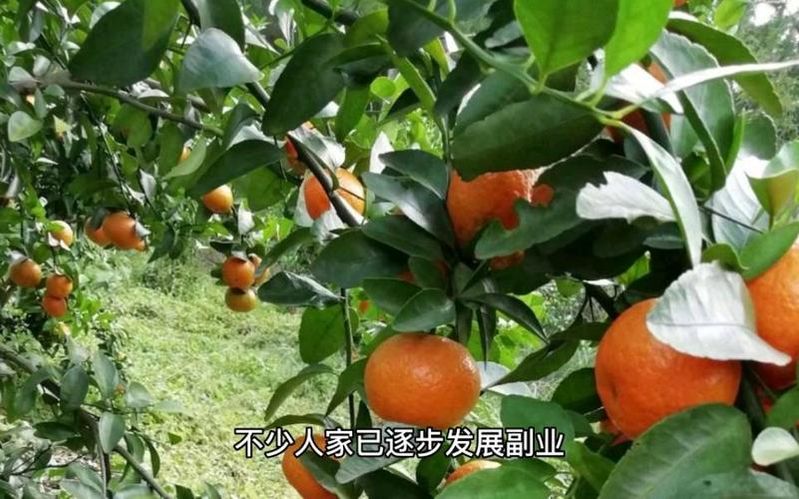
“the greatest features of the emperor, also known as ‘gonggins', are the brilliance of the skin, the lightness of the colour, the absence of the nuclei and the sweetness and smoothness of the entrance.” through the implementation of the “village group + poverty alleviation + shareholders” model, the secretary-general of the wall foot village branch and head of the village council, yang yin, led to the transfer of 5 hectares of land in the brick wall foot and the two villages across the river, leading villagers to more than 200 people working in close proximity and allowing farmers to increase their land rents and earnings。
“i know management skills, i have to pay higher. When the farm is busy, it can be done for about 25 days a month, and it can earn more than $4,000.” the villagers, mi qinggui, said。
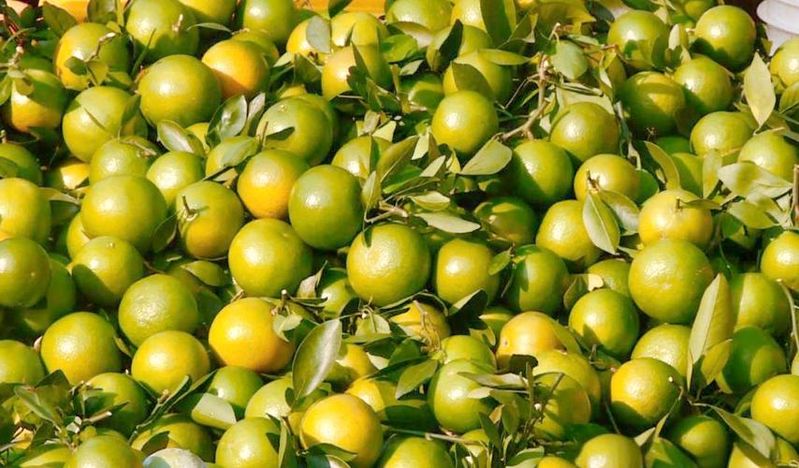
It is known that the base, which has been in operation for seven years since its inception in 2016, has been growing “royal crusades” and that it is now the productive period of a large number of fruit trees. In order to effectively guarantee the growth of fruit tree production, the village attaches great importance to the production management of the “royal crusts”, and invites county agrotechnical experts to follow up the whole course and to guide villagers to produce “royal crusts” of high quality through such measures as the pursuit of fruit trees, the prevention of disease and pests, and the prevention of citrus cracks。
In recent years, china's county, based on its unique local resource and climate advantages, has adhered to the concept of “innovation, green, high-quality and efficient” development, promoted green development and efficiency gains in the fruit industry, enhanced the supply capacity of green fruit products, resulting in the emergence of “spring with strawberries, blueberries, summer with berries, cherries, yangmey, autumn with flaming nuts, cherries, gold avocados, winter with citrus and gold afruit” and played a leading role in the revitalization of the fruit industry in rural areas。
To date, nearly 700 hectares have been added to quality fruit cultivation throughout the county. Landwide blueberry cultivation covers more than 500 hectares with a value of $30 million; sting grape cultivation covers 3,500 hectares with a value of $750 million; gold autumn cultivation covers 800 hectares with a value of $36 million; and citrus, peach and other fruit cultivation covers more than 32 hectares with a value of $167 million。