Reloading the computer system process. If the system is to be re-assessed in person, the first consideration is often not “too few functions”, but “can there be a problem, can there be a success at a time”. For most ordinary users, computer failure is already anxiety enough in itself, and a simple multifunctional tool, such as a flash drive, should be found. Let's see what we do with the reloading。
I. Large cabbage plate preparation system
Computer requirements: compatible with the win7 system to meet minimum hardware configuration
Mirror version: windows 7 enterprises version
Installation tool: large cabbage pallet starter (red-click download)
Ii. Pre-ciplinary alert
While the system automatically matches the combination of uefi and gpt or legacy and mbr, it is preferable to confirm the partition format of the hard drive in advance through the disk management tool in order to avoid incompatibility。
2. An attempt can be made to adjust the bios security start-up settings if problems are encountered when using the start-up disk, such as the system staying in the loading interface for long periods or the mirror file is not properly identified。
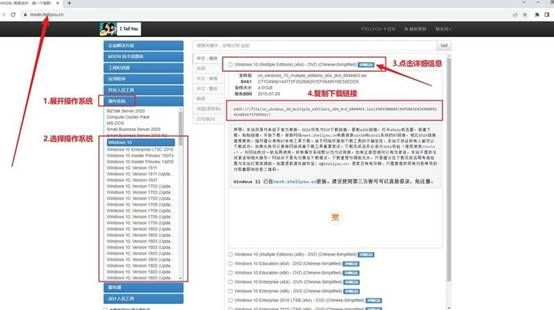
3. The source of the mirror file is critical, and any random download of iso files from an unknown disk could result in installation failure. It's more prudent to choose the official or authoritative platform with which to verify information to download original mirrors, like msdn i told you。
Iii. Step for the re-assembly of large cabbage
Step 1: create a flash drive
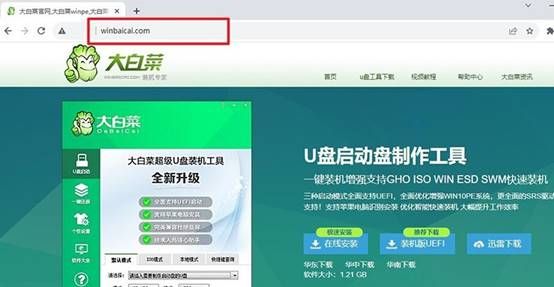
1. Find an empty disk with a capacity above 8gb and download the latest version of the flash drive software from the official cabbage website to unpressure the backup. It is recommended that you be placed on the desktop or in an easy to find location。
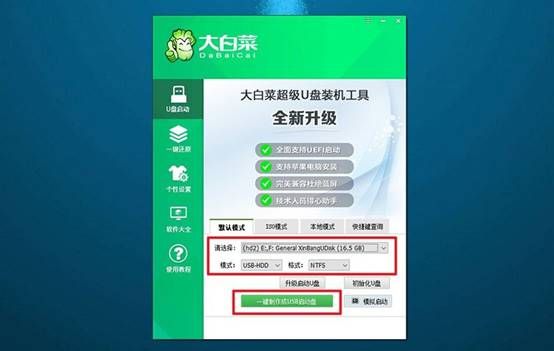
2. Insert an empty disk with a capacity not less than 8gb into the computer, double-click a large cabbage tool, and automatically detect the disk. At this point, there is no need for complex settings to maintain default parameters and simply click " start production " 。
Step 2: set up the computer to start from the disk
1. The u-start shortcuts for different brand computers entering the start-up menu vary and it is recommended that they be identified in advance。
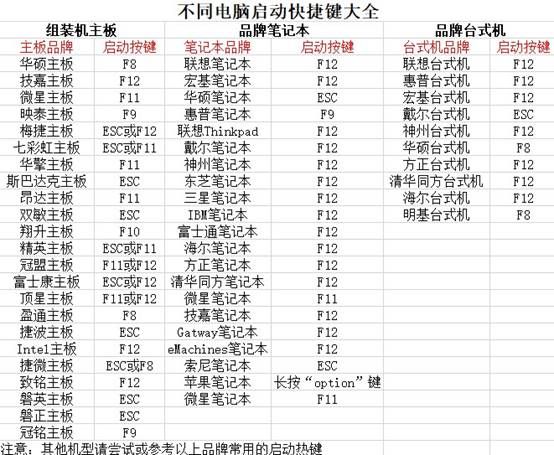
2. Insert the finished disk into the target computer, re-open it and press the corresponding shortcut quickly and repeatedly when it appears, so that you can enter the startup device selection interface and choose to start the drive。
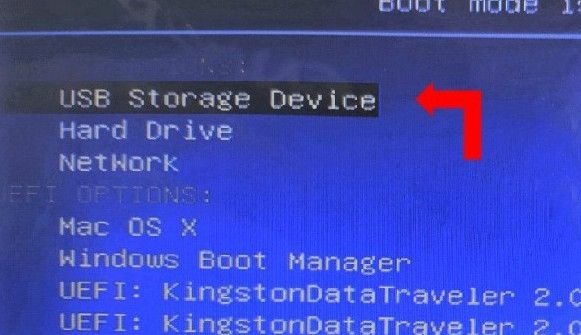
3. The computer will carry a lead interface for cabbage. There are multiple options on the screen, usually choosing [1] to enter the winpe desktop。
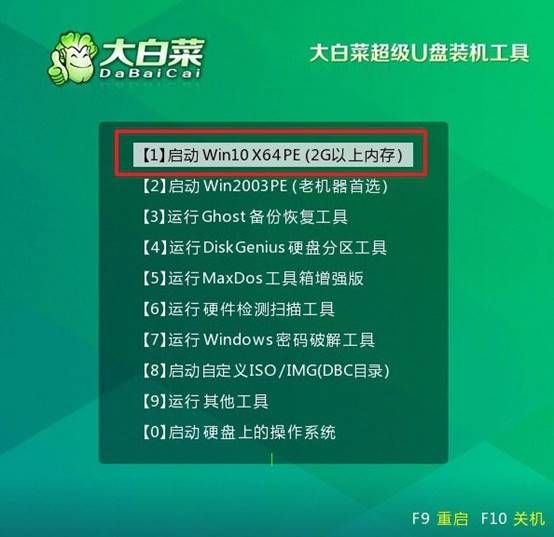
Step 3: installation of the system via disk
1. After successfully entering the pe desktop, you can see " one-key machine tool, double-click to activate it, browse and select the windows mirror file, which is ready, and set up on the c disk。
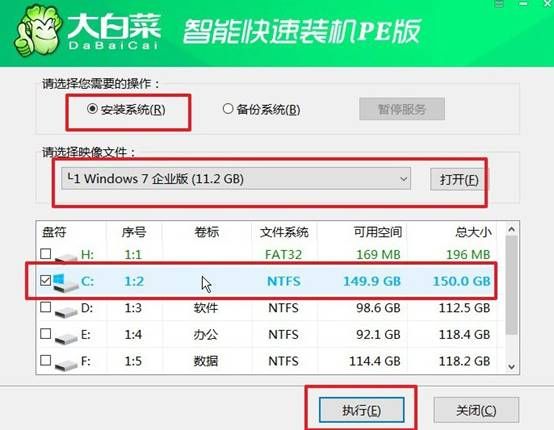
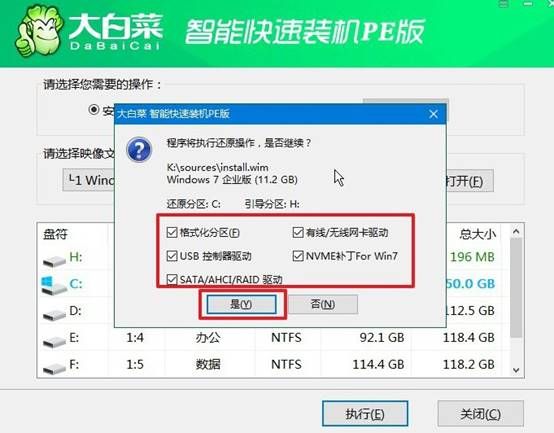
2. Click " execute " after the disk is selected, keep the default option when pops up the prompt box, and click to confirm to start installation。
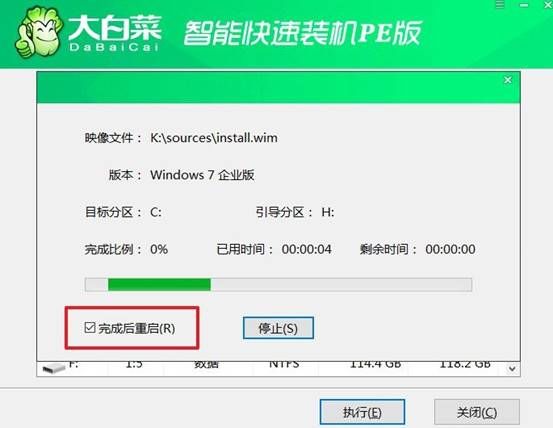
3. Tools automatically copy files and deploy systems, while computers indicate the need for restarts, and when the first restarts, remove the disk to avoid re-entry into the pe interface。
4 follow-up computers will restart and complete their final configuration on their own multiple occasions. The new system was not truly installed until windows desktops appeared。
Now, you know what you're doing with the reloading system. When computer problems are encountered, studying complex installation methods only makes them more difficult. It is therefore important to select an easy and simple flash drive. It does not depend on whether the current system is functioning properly and so long as the computer hardware itself is not damaged, it can be reassembled through the disk system。