The daily newspaper liu xiaojie
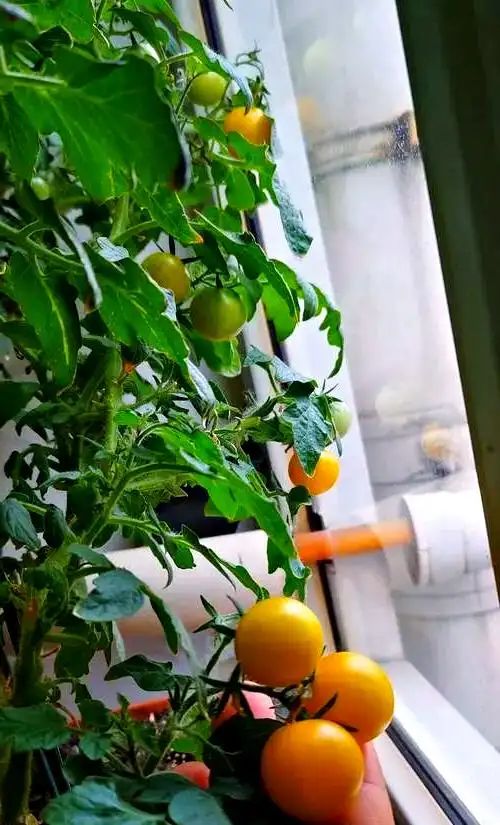
On the morning of 31 march, journalists entered a professional cooperative for the cultivation of cherries and vegetables in a small village of shiyan (modern agriculture) at the biang (modern agriculture) development centre, in a greenhouse not far away, with a full row of large cherries growing in abundance, green-oiled leaves showing a stamina and a cherries of cherries, many of which are already red and very welcome。

“for the time being, we have planted 40 acres of cherries, which are mainly popular early in the morning and brooks, big in the cherries, juicy in the mouth. We grow with organic fertilizers, not with pesticides, and are truly green natural food.” the technocrats of the professional cooperative for the growing of berries told journalists that every day he looked after every cherry tree, pine soil, berries, light and ventilation, and that by the end of april the cherries would have matured and were expected to sell up to $100 per kilogram。
Rural revitalization, industry first. In recent years, the economic zone has been instrumental in guiding farmers to adopt the “professional cooperative + base + farmer” model, and in developing the farming industry, promoting agricultural efficiency, increasing farmers' incomes and continuing to transform the ecological advantages of the farming industry into economic advantages and becoming “big industries” for the revitalization of rural areas。

On the western side of the cooperative is a walnut tree, and the staff are working on cutting the redundancies of the walnut to make the fruit tree grow and sit down better. The cooperative planted more than 150 acres of open-air walnuts, 50 acres of cherries in facilities, and built a standardized walnut base of 150 acres, which is a base for 42,000 kilograms of quality fruit growing in the economic zone. Together with shandong university of agriculture, they announced a platform for the “technology and research centre for the resistance of peaches and peaches in the city of zhuang,” which will make up 1,200 square metres of earthless production sheds that will provide the community with between 600,000 and 2 million breeding plants each year. In partnership with shandong agricultural university and the municipal agricultural rural department, the shandong agricultural university's school of fruit tree cultivation has been set up to build more than 60 acres of high standard demonstration sheds for new varieties of cherries and fresh walnuts. Several cooperation agreements have been signed with the institute, which has effectively integrated production, study, research and promotion。
"now our walnuts have a few varieties of gold, oil, etc. This year's weather is more appropriate, walnut production should be free of problems, and high-quality fruit is expected to reach 375,000 kg.” sun is happy to say. At present, they have established cooperative relations with businesses throughout the country, and every year in the season when peaches mature, businesses come to buy and sell without regret。

Development of specialty cultivation and expansion of village wealth. "was it sweet to have a co-operative in the village, to come to work in a co-operative to manage fruit trees, close to home and a hundred bucks a day?" the 60-year-old ting builder is in the village of the central and small river, where he spends his days in the cooperative in charge of the management of the cherry and walnut trees。
Industrial growth is the basis for rural renewal. In recent years, the economic zone has taken the lead in the development of eco-quality agriculture, smart infrastructure agriculture and modern urban agriculture, actively fostering new industries such as the residential economy, rural tourism and rural electric operators, promoting the integration and development of rural industries, and promoting farmer wealth, agriculture and rural beauty. The district, with its outreach and entry point of “promoting scale operations, branding features”, promoted the upgrading of traditional agricultural production by planting a variety of vegetables and vegetables, such as cherries, tomatoes, cucumbers, croissants, etc., in greenhouses, leading farmers on the path to higher income, and playing the rural renewal “going forward”。