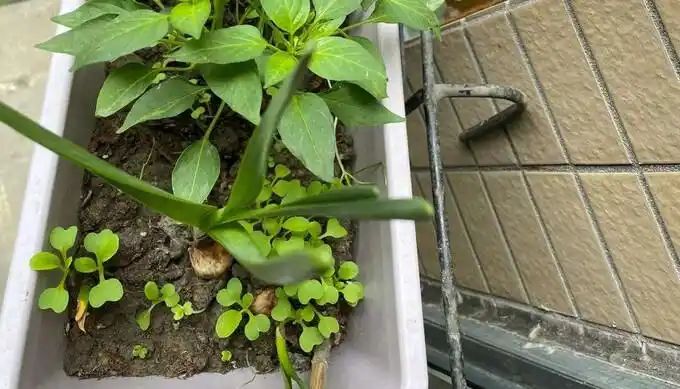
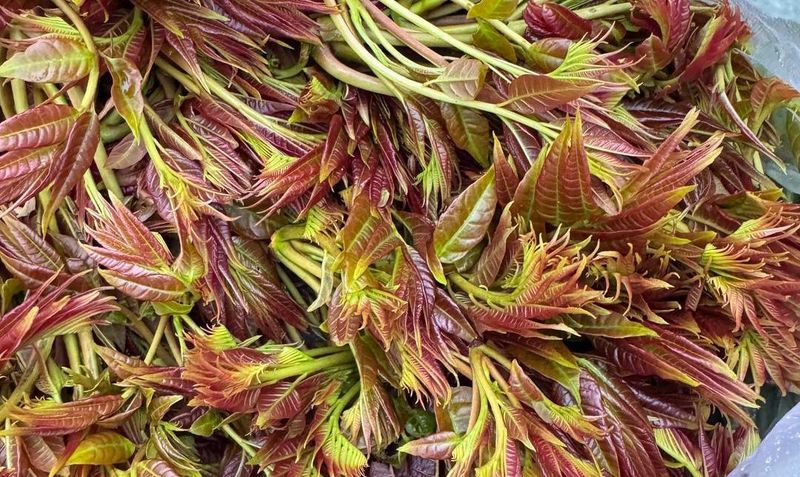
The chinese pharmacist industry is the industrial cluster for the production of chinese herbal raw materials that meet the standards of medicinal use, targeting medicinal plants, through artificial cultivation, field management and harvesting processing。
The report of the china pharmaceutical industry research and investment trends forecasts, 2026-2030, of the china institute of industrial research of the panorama of china, analyses that, as the front end of the chinese pharmaceutical industry chain, the pharmaceutical industry is the cornerstone of the development of chinese medicine as a whole, and that the quality of its products directly determines the quality and efficacy of downstream products, such as tablets, chinese medicines, health products and plant extracts。
I. Overview of industry: chain and industry layout
In terms of the structure of the industrial chain, there is a clear upstream/downstream relationship in the chinese pharmaceutical industry. The upstream links include seed breeding, the supply of agricultural materials (such as fertilizers, pesticides, agricultural machinery) and research and development of planting techniques;
The mid-stream is a core planting phase, which covers a variety of models, including field cultivation, facilities cultivation and under-forest cultivation, as well as field management, pest control and initial processing of harvests, while the downstream links chinese tablet processing, chinese pharmaceutical manufacture, plant extraction production, health development and specialized market circulation of chinese medicines, which eventually reaches the end-use markets of hospitals, pharmacies, clinics, etc. The whole industrial chain is long and comprehensive, and synergy between the links is essential for the healthy development of the industry。
In terms of industrial layout, the cultivation of medicinal products in our country has developed a distinct regional character and a concentration effect. Traditionally, the four main drugs - anhui state, hebei state, jiangxi seng tree, henan springs - have been used as a central hub for the development of the surrounding production areas。
In terms of distribution of cultivation areas, the south-west region has become an important site for the production of medicinal products based on rich biodiversity and favourable climatic conditions, and the provinces of yunnan, guizhou and sichuan occupy an important position in the cultivation of precious and large-scale medicines;
In the north-west areas such as gansu and ningxia, drought-resistant and cold-resistant varieties such as huang, qing, zing, and others are long; south china, with its tropical subtropical climate advantages, has developed a variety of southern medicines, such as broad fragrances, guang chenpi and barenton, while china and east china have a significant advantage in white arts, tusks, and so on. The country has developed a number of regional pharmaceutical belts, which have become increasingly rational。
Analysis of the environment for industry development
With regard to the policy environment, support for the chinese and chinese pharmaceutical industry has been increasing at the national level in recent years. A series of heavy-heavy policies have been put in place, such as the 14th five-year medium medicine development plan and the major project implementation programme for the revival and development of chinese medicine, which clearly proposes to strengthen the control of chinese medicine quality sources and to promote the construction of standardized cultivation sites for chinese medicines。
The implementation of the new chinese standard for the quality management of pharmaceutical production (gap) has introduced stricter regulatory requirements for the whole process of drug cultivation and has led to a shift in industry from a broad-based approach to standardization and standardization. In addition, local governments have adopted complementary policies to provide substantial support to the pharmaceutical-growing industry in the areas of land transfer, fiscal subsidies, tax concessions and the sustained release of policy dividends。
With regard to the economic and social environment, the demand for healthy consumption continues to rise as our economy grows steadily and the disposable income of the population continues to rise. The acceleration of population ageing has led to growing demand for chronic disease prevention and treatment and to wider recognition of the unique advantages of chinese medicine in the areas of "curable" and chronic pathology。
At the same time, public interest in natural and plant medicines has increased significantly in the post-epidemic era, not only with a steady increase in domestic market demand, but also with a gradual increase in the recognition of chinese medicines on the international market, providing a wide market space for the pharmaceutical industry。
With regard to the technological environment, modern technology is accelerating its penetration into the field of medicinal cultivation. New generations of information technologies, such as internet networking, big data and artificial intelligence, are becoming more sophisticated in intelligent agriculture, providing technical support for precision chinese medicine cultivation。
The development of biotechnologies such as genomics and molecular breeding has promoted the selection of good varieties and the conservation of quality resources. In addition, the introduction of sector chain traceability technology has made it possible to trace chinese medicine from "field to pharmacy" and has effectively improved product quality safety and security。
Market insight and core trends, 2026-2030
(i) geopharmaceuticals and standardized cultivation as central barriers to competition
Looking ahead to 2026-2030, the standardized cultivation of potables will become the main melody of industry development. With the further implementation of the new gap norms and the increasing quality requirements of downstream pharmaceutical enterprises for raw materials, the decentralization and rigidity of traditional cultivation patterns will accelerate the phase-out and the scalable and standardized site will become the dominant form of industry。
Firms and cooperatives with geographical advantages in land tenure areas, mastery of standardized cultivation techniques and the ability to establish complete quality traceability systems will build solid moats in the midst of market competition. The brand premium effect of the dodge drug will further highlight the idea that "the production area is the brand."。
(ii) digitized and intelligent agriculture in depth
The digital transformation will be one of the most significant trends in the pharmaceutical growing industry over the next five years. Through the deployment of soil sensors, meteorological monitoring equipment, drone inspection and other network terminals, growers are able to achieve real-time monitoring and precision control of the growth environment。
The application of large data analysis techniques will help growers to optimize planting times, fertilization programmes and harvest nodes, and to effectively increase the production and active ingredient content of medicinal products. Artificial intelligence-assisted pest identification and early warning systems will significantly reduce pesticide use and promote green cultivation. It is expected that, by 2030, the head pharmaceutical grower will have almost full-process digital management and the smart pharmacies will be the industry's pole。
(iii) ecoculture and green sustainable development rise
In the context of the twin carbon goals and ecological civilization-building, the green transformation of the pharmaceutical industry is imperative. Ecocultivation models, including inter-polypolymers, pharmacological food rotations, imitation, etc., will be more widely replicated. Not only are these models effective in improving soil microecologicality and reducing the incidence of pests and diseases, they also enhance the quality of medicines and bring them closer to the nature of wild medicines。
In particular, the emergence of economic models under forest provides a new path for the development of medicinal cultivation in mountain and forest areas that combines economic and ecological benefits. The market share of organic certified medicines and green certified medicines is expected to continue to expand to meet the demand for purely natural, non-polluting pharmaceutical materials in high-end markets。
(iv) increased vertical extension of industrial chains and integration of industries
Over the next five years, the pharmaceutical growing industry will no longer be confined to a single planting chain, but will extend to a deep upstream and downstream industrial chain。
Upstream, enterprises will increase investment in seed bank development, good seed selection and research and development, and control quality from the source; downstream, they will actively expand the initial processing, precision processing, storage logistics, etc. Of their production sites and increase product value added. More importantly, the trend towards deeper integration of drug cultivation with the tertiary sector, such as healthy tourism, cultural experience, and education for the general public, will become more pronounced。
The model of "integration of drug brigades" — such as the construction of medicinal botanical gardens, chinese medicine cultural experience parks, rest and recuperation resorts — will open up new profit-generating growth points and drive the evolution of drug cultivation from monoculture to complex industrial ecology。
(v) episode growth in pharmacological congener species
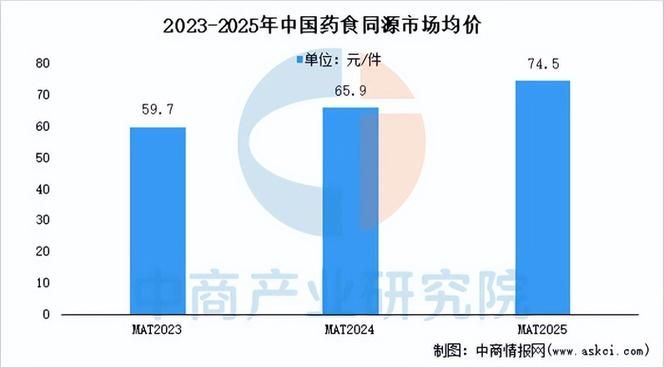
With the continued expansion of the country's catalogue of pharmacological hospitables and the increased awareness of consumers of the concept of “food hospitables”, there will be unprecedented opportunities for the development of generic pharmacological varieties。
The consumption of varieties such as tungsten, yellow tungsten, party membership, iron tungsten, lingzhi and yellow sperm has expanded considerably from traditional medicinal fields to such diverse scenarios as daily foods, drinks and health care. A more flexible market demand and more frequent consumption of these varieties will bring more stable and substantial returns to the planting end。
Investment trend projections and analysis of opportunities
(i) investment hotspot focus
Standardized site-building of potables: with the dual impetus of policy direction and market demand, the gap standardized planting base in the land-use area will be the orientation of the capital-focused layout. Base projects with high-quality land resources and regulatory management capacity have a high degree of investment certainty。
Artificial production of rare and endangered medicines: the resources of medicines in the wild are increasingly depleted, and the state is increasingly controlling the extraction of wild medicines. Artificial breeding and alternative technologies for rare and precious medicines, such as fragrances, heavy buildings, white and quartz, have extremely high technical barriers and market value and are high-quality tracks for long-term investments。
Digital traceability and quality services platform: a third-party service platform around chinese drug quality testing and full traceability will provide broad development space. By integrating functions such as testing, data services and supply chain management, such platforms can effectively address the pains of asymmetrical information in industry and have stronger platform economic attributes。
Quality resource and seed selection: seed seeding is a "chip" for drug cultivation. Specialized chinese pharmacological enterprises, particularly those with core competitiveness in high-technology fields such as molecular tagging, procreation and organizational development, will be the most strategic investment in the industrial chain。
(ii) innovative investment patterns
The traditional "business-farmer" model will speed up the upgrading of the intensive benefit-linking mechanism of "business-cooperative-base-farmer". The order farming model will further mature and will effectively reduce market risk at the planting end by targeting prices and quantities through long-term purchase and sale agreements。
The intervention of the industrial fund will drive the acceleration of industrial integration, and high-quality growers are expected to grow across the board through merger restructuring. In addition, investment in cold-chain logistics facilities at chinese pharmaceutical production sites is also of concern, and a well-developed storage system can effectively contain price fluctuations and generate stable storage services and supply chain financial returns for investors。
(iii) regional investment opportunities
In terms of regional dimensions, the provinces of yunnan and guizhou in the south-western region, with their unique ecological advantages and rich resources of medicinal varieties, are highly attractive for investment in the field of precious medicines and specialty southern medicine cultivation。
The provinces of gansu and qinghai, in the north-west, have a clear advantage in the scale-up of large-scale pharmacological plants, with relatively low land costs and suitable for the layout of large-scale standardized base projects. The provinces of the central region, such as hunan and hubei, have advantages in terms of transport and scientific resources, and are suitable for the development of projects in the areas of processing and scientific and technological research and development。
V. Risk warning and preparedness
Despite the prospects for the pharmaceutical industry, investors need to be alert to the following core risks:
Natural disasters and climate change risks: chinese medicine has a long growing cycle and is sensitive to climate conditions. The frequency of extreme weather events could lead to a reduction or even a loss of production, and investors needed to focus on the climatic characteristics of the producing areas and capacity-building for disaster prevention and mitigation。
Risk of market price cycle volatility: the chinese drug market has long been characterized by a "pharmaceutical cycle" and higher price volatility. Some varieties may increase blindly after high price incentives, leading to oversupply and a sharp fall in prices. Investors should establish science-based species selection mechanisms and risk management strategies to avoid high and low rates。
Policy compliance risk: quality issues such as pesticide residues and heavy metals over-standards will continue to be addressed with continued improvement of the regulatory system. Plantation bases that do not meet the gap norms may be at risk of modification or even phase-out. Investors need to give high priority to compliance to ensure that the entire planting process meets the relevant regulatory requirements。
Technological substitution and typologies risk: the development of biosynthetic technology has allowed some of the active ingredients of medicinal products to be produced through industrial fermentation and may pose an alternative threat to traditional cultivation patterns. Investors need to pay close attention to forward-looking technological developments and make a reasonable assessment of the long-term viability of the species to be dropped。
Recommendations for strategic decision-making
For investors, the concept of long-termism should focus on high-quality targets with core technical barriers and sustainable development capabilities. It is recommended that priority be given to subdivisions such as standardized planting of prescription drugs, artificial reproduction of rare varieties, innovation in breeding industries and digital services to avoid blind pursuit of short-term hot spot varieties. At the investment tempo, it would be advisable to adopt a phased input strategy, which would be scaled up after the feasibility of a small pilot demonstration model。
For strategic decision makers in enterprises, vertical integration of industrial chains should be actively promoted, up-to-date control of high-quality seed resources and standardization bases, down-to-down extension of processing and brand marketing capacity, and the building of competitive advantages across industry chains. Quality tracking systems covering the whole chain of planting, processing, storage and circulation, with data-driven precision management, increased digital inputs. At the same time, emphasis has been placed on brand-building and area-based geographical marker protection to enhance the trust and premium capacity of products among downstream customers。
For new entrants to the market, it is suggested that one or two species of comparative advantage should be selected for deep tillage and that planting techniques and market channel resources should be accumulated. Emphasis is placed on the learning of expertise and the accumulation of industry connections, with a full understanding of the growth habits, market cycles and quality standards of different varieties. In the initial phase, priority could be given to working with mature growers or scientific institutions to reduce trial and error costs and accelerate capacity-building。
Concluding remarks
The report of the chinese institute of plu-china industries, deep panorama research and investment trends projections for china's pharmaceutical industry 2026-2030, concluded that between 2026 and 2030, china's pharmaceutical industry was in a critical transition from traditional to modern agriculture, from expansion in scale to improvement in quality. The continued release of policy dividends, the steady rise in consumer demand and the acceleration of science and technology empowerment together constitute strong drivers of industry development。
This is undoubtedly a golden age of opportunity for visionary investors and entrepreneurs. Only a deep understanding of industry patterns, an accurate grasp of trends, and scientific protection against potential risks can lead to a steady distance in the source track of this trillion-class health industry。
Declaration of exemption:
The sectoral analyses, market insights, trend projections and investment proposals covered in this paper are based on publicly available industry information, policy documents and general industry development patterns, which are considered in a comprehensive manner for readers only and do not constitute any specific investment proposal, basis for business decision or commitment. The chinese pharmaceutical industry is affected by a combination of natural conditions, policy changes, market demand and supply, and technological evolution, and the actual development may differ from the projections presented here。
Before making specific investment and business decisions, investors and relevant policymakers should undertake adequate market research and professional advice, taking into account their own realities, and assume all the risks and losses arising therefrom. No legal liability exists for any direct or indirect loss resulting from the use of the content of this paper. The industry trend judgements addressed in the paper are qualitative and do not contain any guarantees of future gains。