Korea has tried to abolish the chinese word on three occasions in history, with the intention of establishing an independent indigenous text system and strengthening national cultural identity。
However, all three failed policies ended, and to date the chinese word still occupies an important place in korean society and is widely used in identity cards, legal documents and education. So what's the story? Let's talk today。
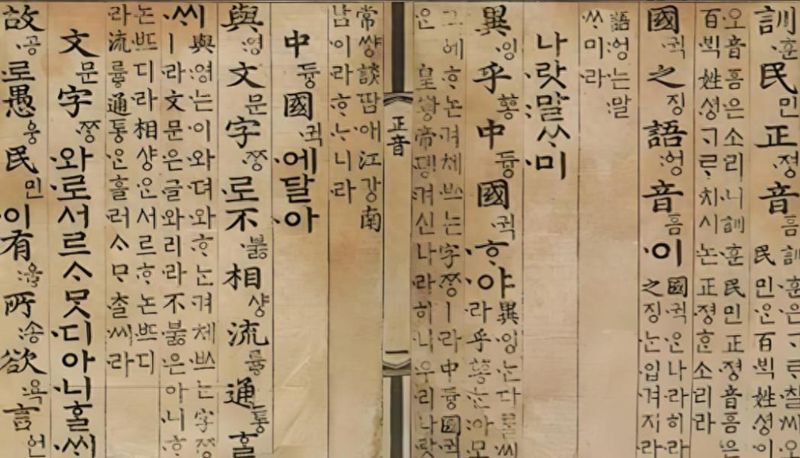
Han and korean origin
As a unique chinese culture, han chinese played an extremely important role in the history of east asia, and its dissemination represented not only an expansion of a writing tool, but also an expression of chinese culture's radiation to the surrounding region。
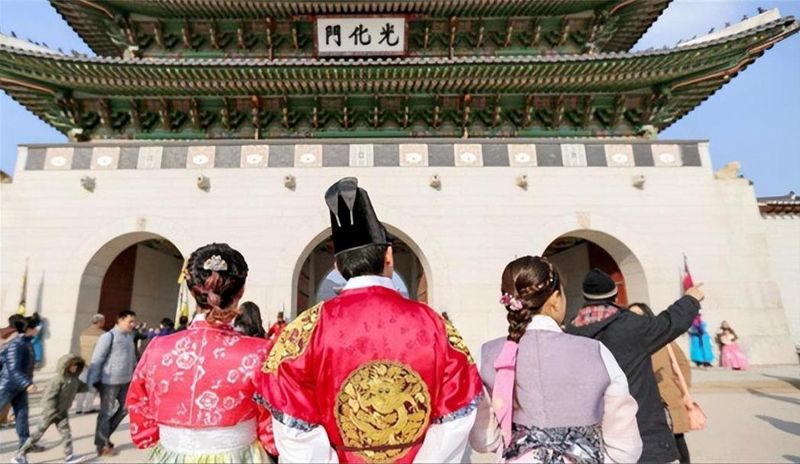
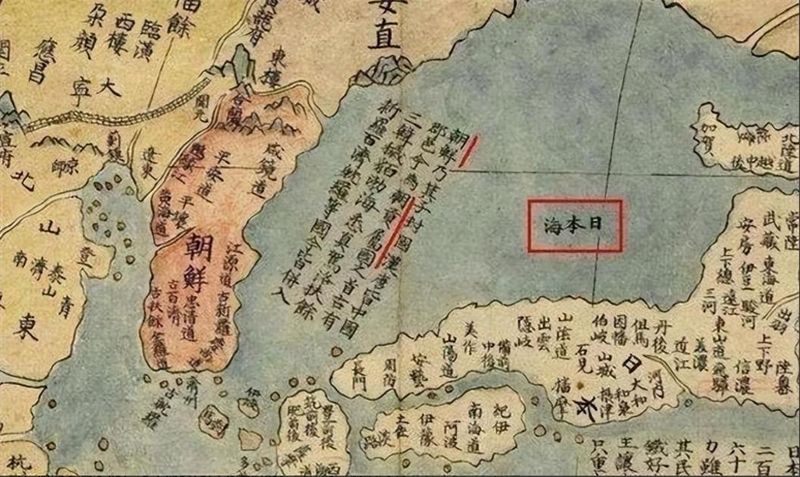
During the period of the han dynasty, the chinese words were introduced into a number of surrounding areas, including the korean peninsula, and this cultural influence has continued through the succession of the two generations。
Since time immemorial, the korean peninsula and china have had close and frequent exchanges of language, protocol, ideas and so on, forming an interconnected cultural circle。
With the introduction of the hanword to the korean peninsula, the rulers soon realized its usefulness and began to use it to record politics, write classics, record history, etc。
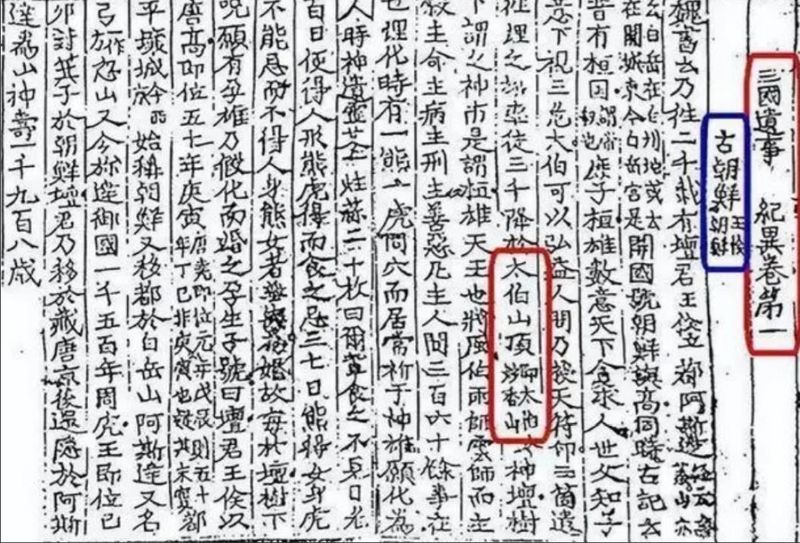
As the three countries of the korean peninsula, namely, qianxi, baiji and nueva, have stood up, the regimes have established a relationship of dynasty and cultural exchange with the former chinese dynasty, and the chinese word has become the language of the message of communication and official documentation。
The history, documentation and writing of the korean peninsula are written in chinese and are also written on a daily basis, bearing the religious and political culture of the korean peninsula, which can be said to have taken root in the cultural context of the peninsula。
The korean dynasty culminated in the establishment of a post-hanja culture, and the period of li was established as the official official language, known as the writing tool in such important fields as law, protocol, diplomacy and education。
The ruler views the chinese word as a symbol of national civilization, and the predominantly chinese education becomes an important channel for the selection of talent, and senior officials and doctors must be familiar with it in order to make a difference in the public arena。
In parallel with the spread of chinese-language culture, korean rulers were aware of the importance of the uniqueness of their national language in order to promote it。
In the context of his majesty's reign, the korean dynasty created its own system of writing based on the preservation of the chinese tradition in order to increase literacy among the entire population, and in this context, korean scholars produced spelling proverbs。
The birth of the proverb resolves the problem of linguistic and editorial disharmony and allows the civilian population to acquire basic literacy without mastering the chinese word。
There is a marked difference between the korean language and the chinese language, which is used mostly in official records and academic fields and is difficult for ordinary people to use, so the invention of the proverb makes up for the limitations in the korean language。
In one way or another, the proverb is a complement to the chinese word, because its appearance does not replace its position in the dprk, and it is still used in official education and documentation。
Why? It is difficult to compare the proverbs of traditional healers, who strongly reject them as symbols of civilization and authority and as symbols of social status, and learning them represents a high level of knowledge。
Finally, there is a situation of complementarity between chinese scripts and proverbs, most of which are still written in chinese in korean history, official records and laws, and more used in folk poetry, folklore and daily communication。
The fact that korean society, under the combined effects of the chinese and chinese texts, has continued both to perpetuate the chinese culture and to incorporate its linguistic characteristics continued until the end of the korean dynasty。
Colonial policies at the beginning of the twentieth century
During the korean dynasty, the dprk maintained its zongshu relationship with china, and the influence of chinese-language culture continued to deepen with close exchanges between the two countries. However, the fate of the korean peninsula has also changed as the international situation changed dramatically in the late nineteenth century。
China lost control of the dprk after the midday war, and japan gradually expanded its presence on the korean peninsula and completely annexed the dprk in 1910。
In order to promote cultural assimilation, the japanese colonizers decided to reduce the use of the chinese word in korean education, with the aim of weakening the korean nation's cultural identity in order to integrate more quickly into the japanese way of life。
Japanese is imposed by the japanese authorities to require koreans to study and use japanese and even to prohibit the teaching of chinese subjects in schools and to sever links between korean and chinese culture。
Although the korean people had to learn japanese to adapt to educational requirements, their reliance on the chinese word remained high, especially in the dissemination of religious books and traditional cultures, and its existence was still irreplaceable。
The population of the dprk has even generated strong resistance to this, especially among the elite intellectuals, who believe that the abolition of the chinese word is not only a change in the language, but also a suppression of their national culture。
Many korean intellectuals organized to preserve indigenous culture and traditional methods of education, and japan's policy of abolishing the chinese word ended in failure. After the second world war, the dprk quickly restored its education system in chinese and re-established its reliance on chinese culture。
Korean han-word abolition campaign
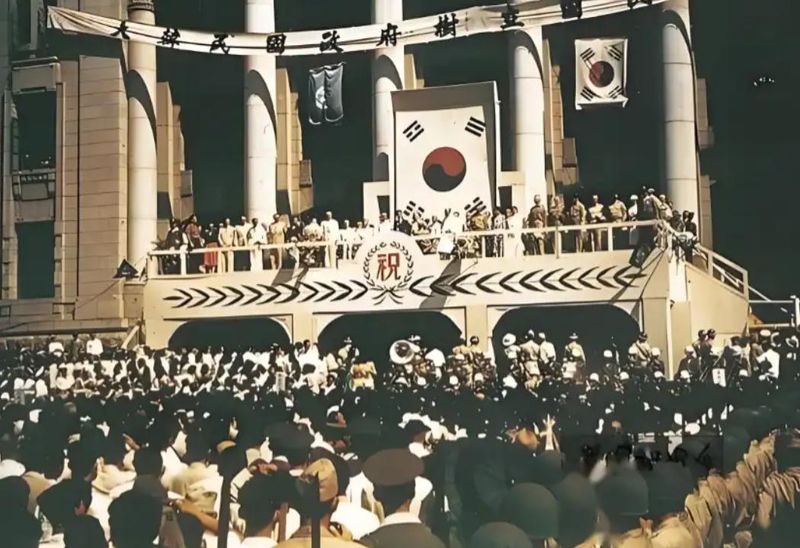
Having come to the formal establishment of the republic of korea in 1948, the post-independence korean government faced cultural independence and national identity and had embarked on a series of decolonization and de-hanization policies in order to overcome the historical shadow of oppression。

As a symbol of feudal rule, the abolition of the chinese word became one of the important tools of the korean government to highlight national independence. Soon, the government announced korean as the official only language and encouraged the education system to gradually reduce the teaching of the chinese word。
However, the long-term use of the chinese word has been deeply embedded in the korean cultural and educational system, and the sudden abolition of the chinese word has brought many inconveniences to social life。
The chinese script is widely used in korean history, in classical literature and in academic research, and many people find it particularly difficult to live a day without it. For example, many of the specialized vocabulary and literature in the academic field are expressed in chinese, and it is difficult for younger generations to understand traditional scripts and academic content in related fields。
In this context, illiteracy has increased, society has serious cultural faults, and the effects of the abolition of the chinese word have become increasingly visible, and korean intellectuals and social figures have been challenged。
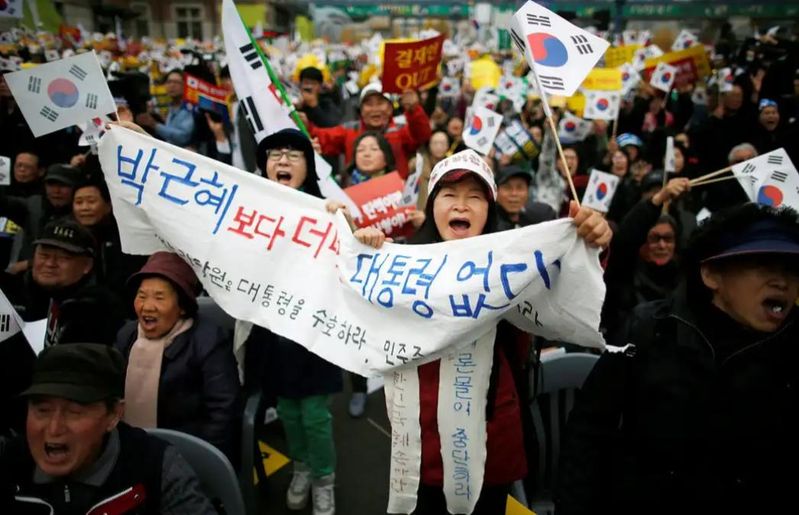
In order to ease the pressure, the korean government has had to reorient its policy towards the restoration of some of its chinese-language education, especially by retaining a large number of chinese-language courses in areas such as history and law。
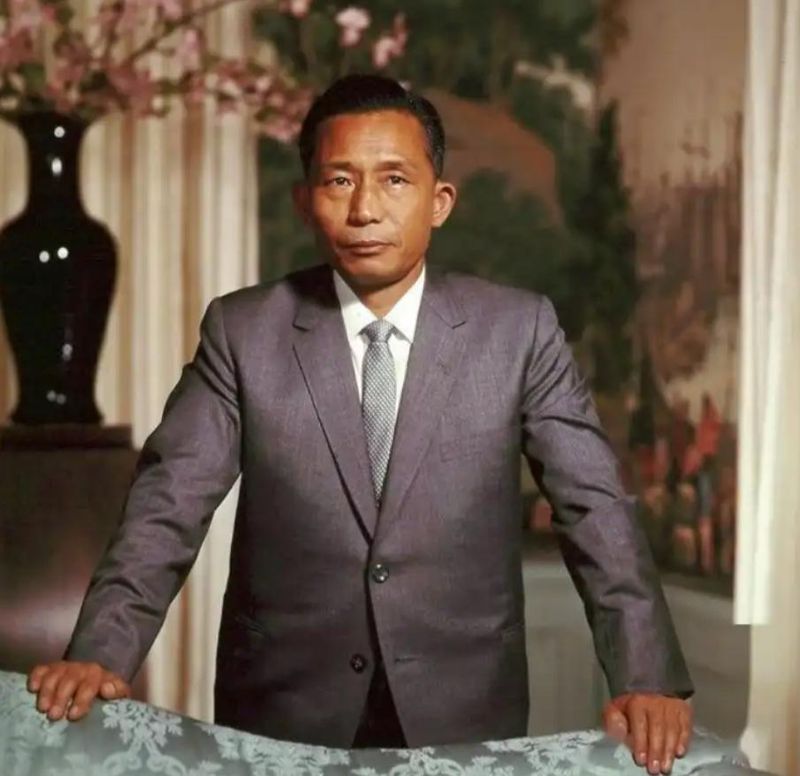
In the 1960s, when the south korean economy grew rapidly, park jong-hee proposed a plan to abolish the chinese word in its entirety, arguing that its abolition would contribute to the independent development of korean culture, further strengthen national cohesion and create a fully korean society。
Soon after, the government of park fully promoted the korean language in education and social life and enacted a series of laws to enforce the korean monolithic system with the aim of completely replacing the chinese word。
In the course of implementation, difficulties were found in the implementation of the policy, and the legal and medical fields of exclusive terminology were mainly expressed in chinese and the complete transformation into korean required a large number of terms to be redefined, making the preparation of government documents, legal provisions and medical literature more difficult。
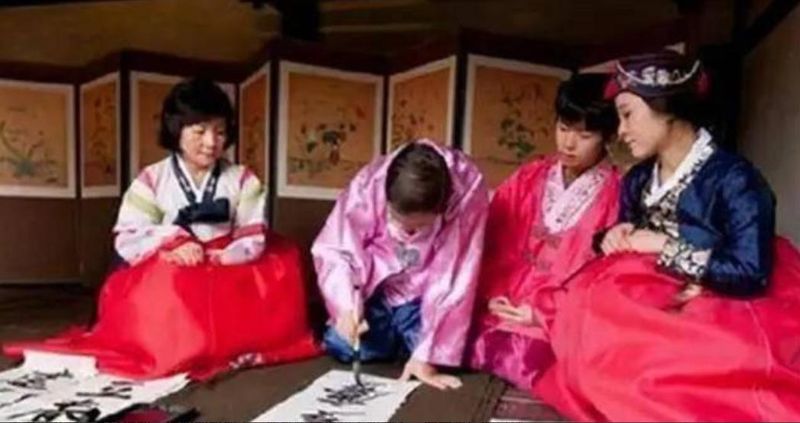
Korean enterprises also have problems in the international market, and the chinese word is particularly important for cross-border exchanges, especially with china and japan, where it remains an important communication tool。
Immediately after the asian crisis, the korean government had to rethink this policy and, in order to adapt to the demands of globalization in the market economy, large enterprises, such as samsung and hyundai, had explicitly called for a chinese-language job-seeker in their recruitment conditions。
The chinese word became a necessary condition for entry into first-class enterprises, prompting young koreans to refocus their attention on learning and even promoting the popular marketing of chinese teaching materials and tutorials。
The monolingual language policy was not suited to the cultural and economic needs of korea, and the government had begun to relax the policy restrictions on abolishing the chinese word and allowing it to be re-used in school education and social life。
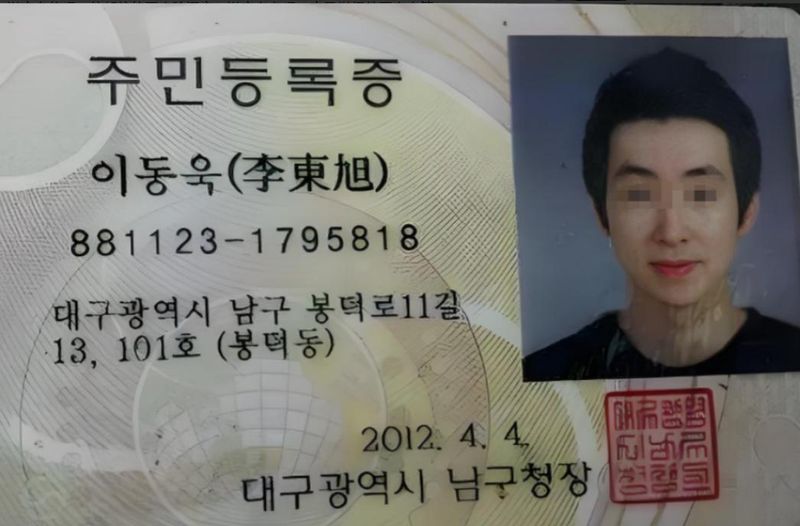
In 1910, the oppression of japanese colonial rule, the introduction of korean in 1948, the re-launching of language reforms in the 1960s by park jung-hee, and the failure of the three campaigns to abolish the chinese script to eliminate its effects, the chinese script has a deep cultural foundation on the korean peninsula。
Even today, such effects still exist, and some koreans have their names on their identity cards. What do you think about this
References: why are koreans on their identity cards with a note name in chinese? Interesting answer

Fifty years after the "go to han" movement, why did koreans start to regret it? Shakira news the paper