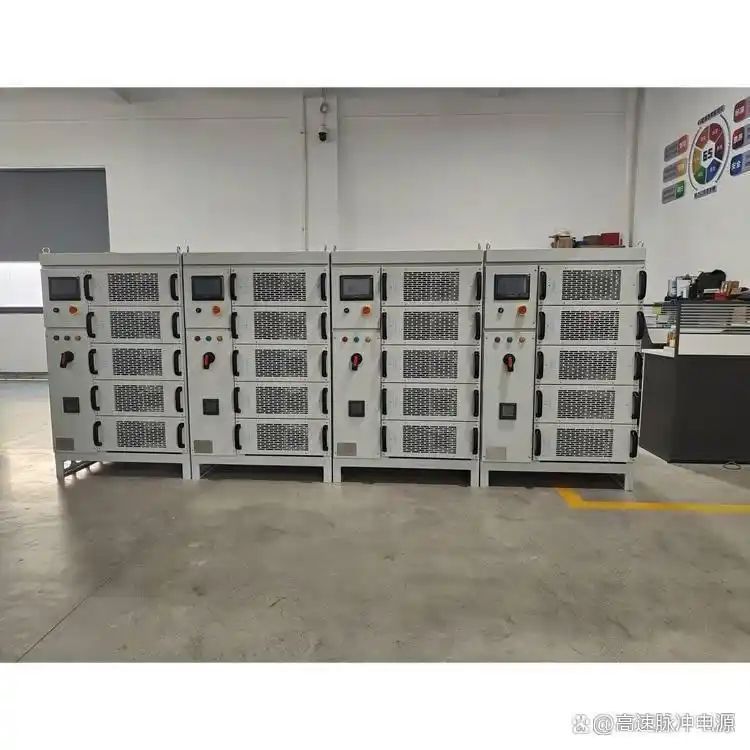
Copper purity is a key element in industrial production. The various appliances we use in our daily lives, the high purity copper in our circuits, are mostly obtained by electrolytic refining. And in the process, a core power plant plays an indispensable role, which is the copper electrolyte processor. In simple terms, it is a special device for the conversion of communication electricity to direct current electricity required for electrolytic processes。
Understanding its importance requires first understanding the rationale for copper electrolytic refining. Coarse copper is treated as anode, and pure copper sheeting is treated as a cathode, together with electrolytic fluids containing copper sulphate and sulphuric acid. When running into direct currents, the coarse copper of the anode is dissolved, the copper ion moves to the cathode with the effect of the electric field and deposits highly pure electrolyte copper in the cathode. The process is stable, efficient and energy-efficient and depends directly on the performance of the direct current power source, the copper electrolyte processor, which supplies it。
Below, we will systematically recognize copper electrolyte currenters and compare them to the characteristics of other technologies or products。
Core functions and rationale
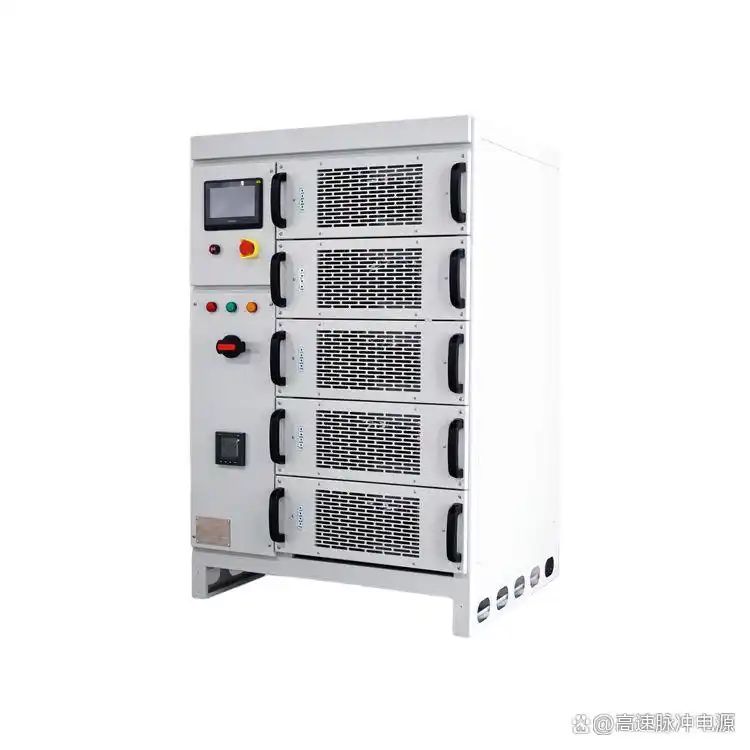
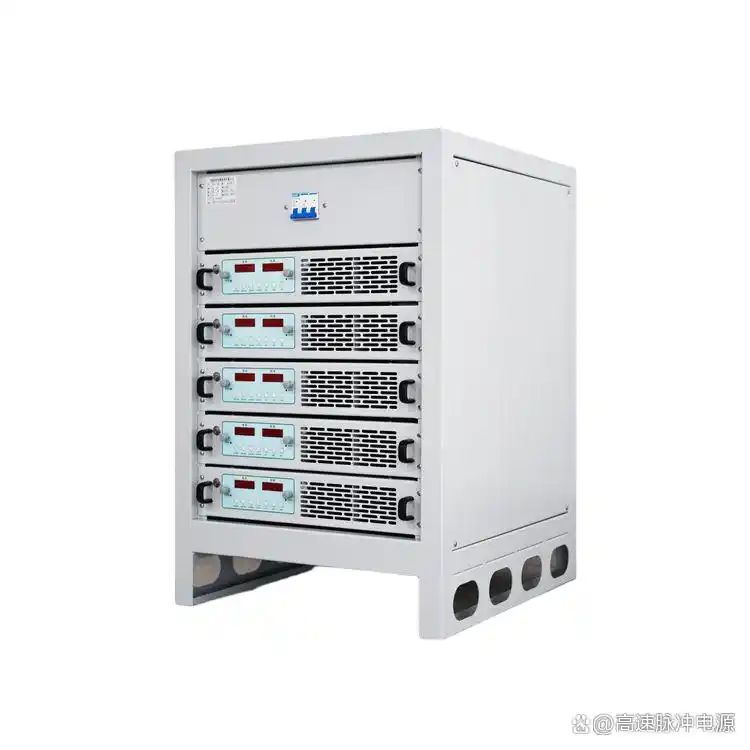
The core tasks of the copper electrolyte processor can be summed up as “transformation, voltage, tuning”. It has access from the grid to the normal industrial frequency of power exchange, which, through the regulation of a series of electrical and electrical elements, produces a smooth and straight current of low voltage, large currents and low texture coefficients. The internal process is dominated by transformer, flow management, filtering, regulation, etc。
Early use of direct-flow generators or mercury arc condensers, but the former are inefficient and complex to maintain, while the latter have the risk of mercury contamination. Modern copper electrolyters generally use transistor (silica control) current management techniques. Accurate control of the transient angle of the transistor tube allows smooth control of the direct current voltage and current of the output, thus allowing flexibility in controlling the chemical reaction rate and energy consumption in the electrolytic cell. In recent years, more advanced bipolar transistor technology for insulation grids has also been introduced, with higher switch frequency and control precision in some cases。
2. Comparison with general industrial convulsors
Although it is the same as a condensing device, the copper electrolyte processor has distinct professional characteristics and is distinct from the general-type industrial conservator:
*export characteristics: copper electrolytic processes require typical “low voltage, large currents”. The output current of a single integrator can reach tens or even hundreds of thousands of ampere, and the voltage is usually within hundreds of volts. This is quite different from many industrial scenarios that require high voltage。
*reliability requirements: once the electrolytic production line is activated, it usually operates 24 hours a day, with cycles likely to last for several years. Any unexpected interruption of power supply would result in damage to the polar plate, a decline in production and significant economic losses. The requirements for reliability and stability are almost stringent for copper electrolyte processors, with stricter design redundancy, cooling systems and protection mechanisms。
*efficiencies and energy conservation: electrolysis is the largest consumer of electricity, and electricity costs account for a high proportion of total production costs. For each percentage point increase in the efficiency of the converter, significant energy efficiency gains can be achieved. Modern copper electrolyters usually use multiphase current technology (e. G., 12-pulse, 24-band) and are equipped with active or passive filters, which not only improve overall efficiency to a high level of efficiency, but also reduce the pollution of the grid by tuning, which is an depth optimization that is less considered by ordinary processors。
*control of smartness: modern copper electrolyte processors are highly integrated and intelligent. It not only receives commands from the control system, accurately exports the power from the specified currents, but also monitors its own state in real time, records operational data, alerts to malfunctions and links to the automated management system throughout the plant. The ability to integrate this depth into process control is also not available for general-purpose conservatory equipment。
3. Strengths and challenges of technological development
The development of copper electrolyters has always revolved around increased efficiency, reliability and intelligent control。
Its strengths are reflected in:
:: efficient energy efficiency: modern transistors are much more efficient than previous fleets, effectively reducing consumption of tons of copper。
:: stable: modular design, compulsory water cooling systems, fast-protected circuits, etc., guarantee continuous and steady operation over time。
*regulating precision: export current control is accurate and contributes to improving the quality and consistency of cathode copper。
:: maintenance easy: the maintenance workload is significantly reduced and cleaner than that of the straight-flow generators。
* harmonisation governance: application of multi-pulse currents and filtering technologies to increase their “friendliness” to the grid。
However, it also faces a number of continuing challenges:
*initial investments: high performance, large volume of alluvial equipment and its associated transformers, filtering systems, with higher initial investment costs。
:: quality requirements for electricity grids: although they produce a reduction in their own harmonization, there is still some sensitivity to voltage fluctuations in the electricity grids, sometimes requiring a dynamic, non-functional compensation device。
:: technical complexity: highly integrated electrical and electronic equipment requires professional maintenance and failure diagnosis。
*dispersion management: tens of thousands of ampere currents generate huge amounts of heat, cooling systems are essential for design and reliability, and corrosive, dustproof and leakproof water cooling systems are issues that require ongoing attention。
4. Key role in copper smelting
It can be said that the copper electrolyte processor is the “heart” of the electrolytic workshop. Its performance directly determines:
* production efficiency: stable current output is the basis for ensuring high speed and continuous deposition of copper in electrolytic cells。
*product quality: whether current density is even and stable, directly affecting the crystal form, purity and physical performance of cathode copper. Excessive direct current power can lead to sediment laxation and impurities。
*property costs: the conversion efficiency of the conservator is directly related to the cost of electricity consumption, and its reliability is related to the loss caused by shutdown maintenance。
:: environmental protection and safety: efficient, low-intensity equipment is more environmentally friendly to the grid; its own reliable operation also avoids potential production safety accidents due to power failure。
By contrast, the use of inappropriate or technologically ill-equipped power sources can lead to problems such as inefficient copper deposition, unstable product grades, high energy consumption and frequent disruptions。
In summary, the copper electrolyte processor is a highly specialized, customized electrical conversion facility for the copper electrolyte process. It has evolved from an early and inefficient pattern to an efficient, intelligent and reliable system integration device today. Its technological advances have always been closely linked to the demand of the copper smelting industry for extraction, depletion, production growth and automation. Understanding the rationale and characteristics of this “heart” equipment helps us to understand more deeply how modern non-ferrous metal industries, relying on sophisticated and reliable electrical and electrical technologies, produce from ore the basic materials that support the functioning of modern societies. As semiconductor technology and digital control technology progress, future copper electrolytics will continue to evolve towards more efficient, intelligent and life-cycle management。