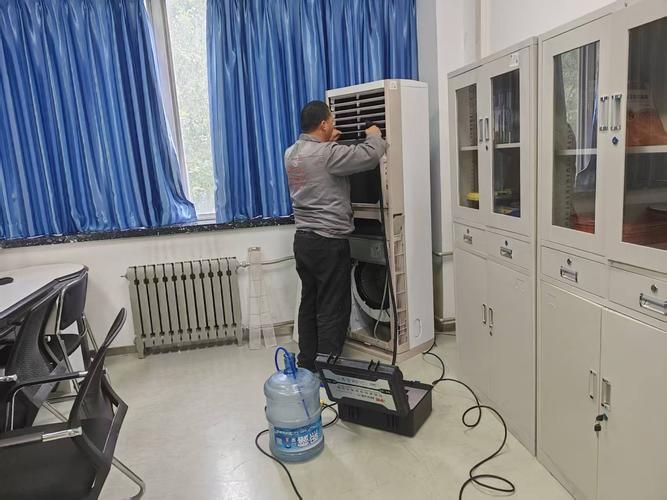
There are significant differences between the new energy and conventional fuel vehicle services on multiple dimensions. In terms of maintenance, new energy vehicles tend to have longer maintenance cycles, with a focus on power cells, etc., saving complex maintenance projects such as oil, while fuel trucks have relatively short maintenance cycles, such as organic oils and filters。
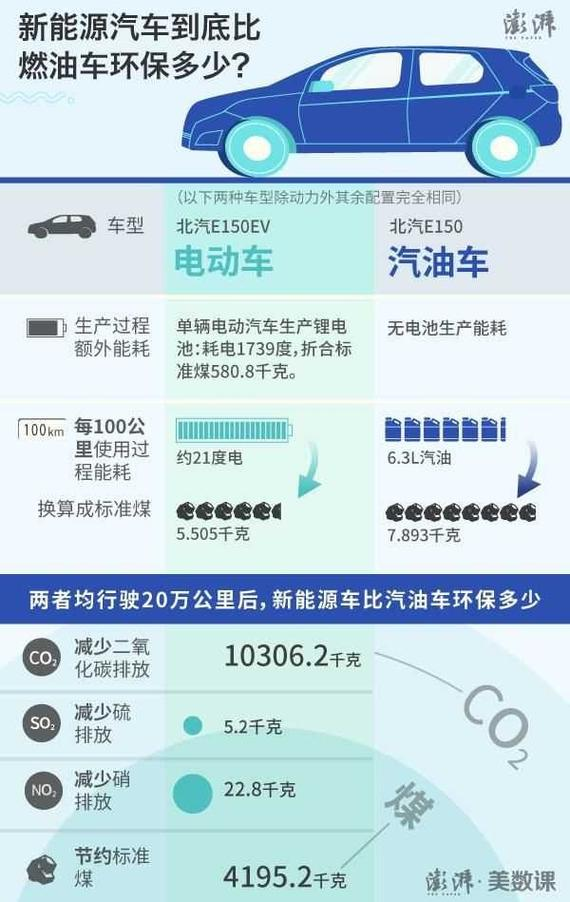
In terms of maintenance, new energy vehicles are easily accessible and resource-rich because of the high cost of batteries, electrical maintenance and the small number of repair shops. In addition, new energy vehicles have a policy advantage and design is more innovative. At the level of technical requirements, the differences are also significant. The complexity and intelligence of the electronic control systems for new energy vehicles and the fact that maintenance personnel are not only well equipped with electricity, but also with the use of a wide range of advanced tools and software undoubtedly require more comprehensive quality of maintenance personnel。
Traditional fuel vehicle maintenance is more focused on mechanical know-how and skills, and many common failures can often be solved by experienced maintenance staff who have accumulated experience over the years. Maintenance equipment and materials are also very different. New energy vehicles require specialized and expensive equipment to detect and maintain, and the materials used are special and costly. Maintenance equipment for traditional fuel vehicles is common, costs are low, maintenance materials are common and sufficient, and prices are more pro-people。

From a safety perspective, new energy vehicles, because of the existence of high voltage power systems, must be maintained in strict compliance with operational protocols, and maintenance personnel must be equipped with specialized protective equipment to avoid dangerous situations such as electrocution. Traditional fuel cars do not have high-voltage electricity concerns, and safety risks are relatively low。
In terms of use experience, traditional fuel car owners need constant attention to maintenance, refuelling and repair. New energy vehicles, on the other hand, provide easier quality assurance services and many daily maintenance is almost free. Moreover, new energy vehicles enjoyed strong state support and continued preferential policies such as acquisition tax breaks and subsidies, which were difficult to compare with traditional fuel cars。
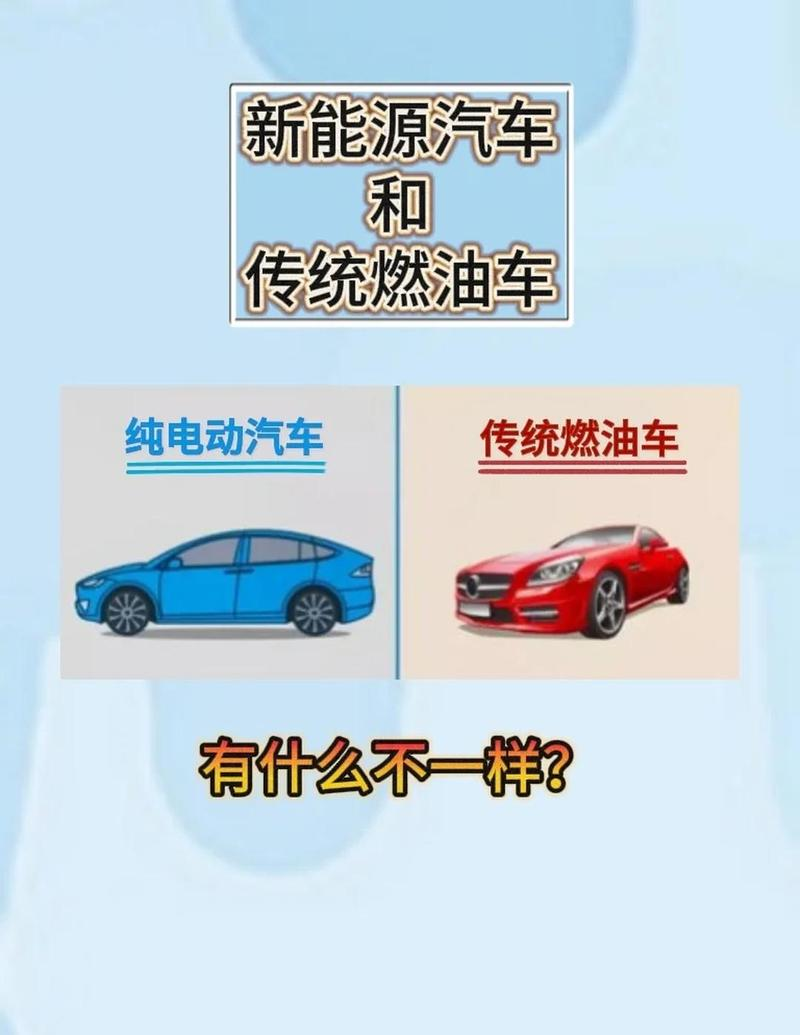
In sum, there are significant differences between new energy and traditional fuel automobile services in terms of maintenance, repair, technical requirements, safety, use experience and policy preferences, and consumers need to be fully aware of these differences when choosing and using them in order to gain a better service experience。