


Agricultural enterprises dislodging demand lists to ai
We drive artificial intelligence from the lab to the field. Land head
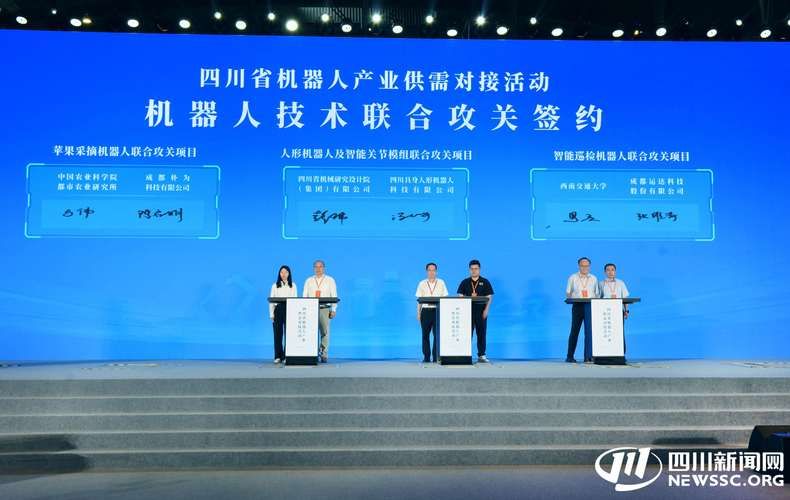
Yesterday (31 july), nearly 100 agricultural operators, artificial intelligence enterprises and industry experts gathered to meet face-to-face at the "ai+agricultural rural" application. According to the information received, our city has set up six agro-intellectual (ai) mega-scenes in fields such as daejeon cultivation, pig farming and fisheries law enforcement, as well as a $2 billion agricultural science creation fund, which has introduced a comprehensive “surfare” mechanism to move ai technology from laboratory to field。
In response to the meeting, three indigenous agricultural enterprises threw out specific needs for digital adaptation. The sacred vineyard grape breeding base, which covers 300 acres, is traditionally artificially measuring fruit ears, screening seedlings is time-consuming, and the full breeding process is ten years old. It is proposed by the relevant managers of the enterprise that ai should analyse the content of fruit and candy acid to assist in the determination of grape maturity, and that, at the nursery stage, it should be possible to collect grape table-form data through the high-throughput ai to screen at the nursery stage based on a neuronet model in addition to poor-quality strains, smart algorithms are used to match the best hybrids, reducing the breeding cycle to five to six years, accelerating the integrity of more than 300 good families。
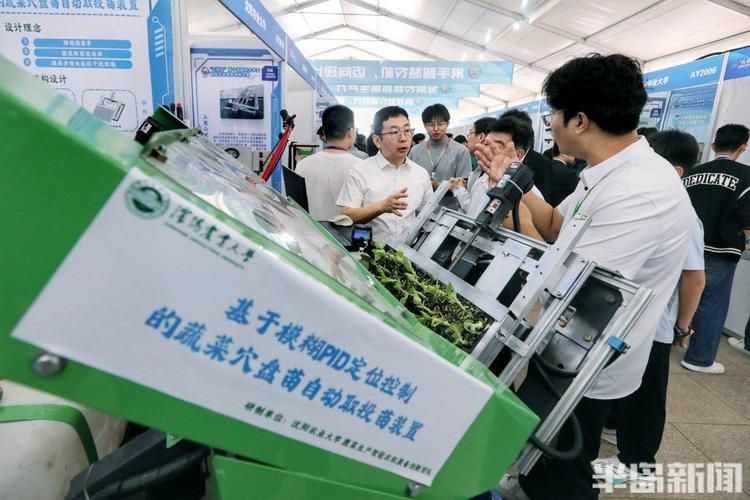
Puntae agriculture, which is fish farming, is faced with a time-consuming and time-consuming problem due to the failure of the artificial division of fish to eat small fish, to visit the ponds and to make a manual projection. Enterprises are looking forward to the introduction of three smart systems: the ai automatic fish division equipment, which accurately differentiates large and small slugs, the water quality linking model predicts fish disease, and the smart feeding device, which regulates the dynamics of the data from the bait, to achieve efficient precision farming by fewer people。
Vegetable gardens produce more than 100 vegetable sheds, where vegetable harvesting and cold chain distribution have long relied on manual experience from field fertilizer management, pests and pests, waste of water, excessive quantities of pesticides and high supply chain depletion. The enterprise plans to establish a complete system of production and marketing in ai, with automatic regulation of the environment in the shed, early warning of disease, intelligent determination of the timing of harvests, using algorithms for integrated distribution, to stabilize the quality of vegetables and to reduce operating costs。
Demand is full of good faith, and the supply side of technology also brings multiple, mature, laboratory-tested ai products. In-situ exchanges and negotiations, synchronized publication of industry group standards, and the setting of standard criteria for farming in ai。
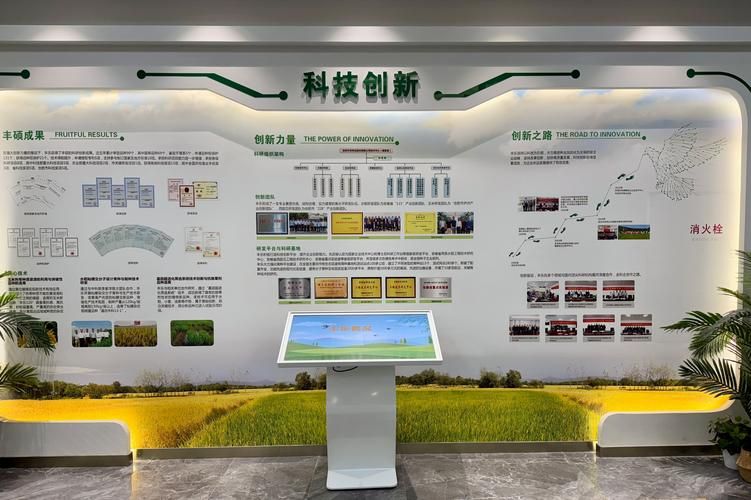
The relevant head of the sioux city agricultural and rural department expressed the hope that through the construction of the ai agricultural pilot base, the critical link between technological development and industrialization would be reached. In the feasibility study for the construction of the chinese pilot base, the plant base is willing to open up its test fields and share the field data accumulated over the years for field testing of ai equipment; start-ups list the conditions for landing; industry experts advise on low-cost digitization of agriculture to cope with seasonal challenges of breeding; and government departments, relying on special start-up funds and diversified capital, make every effort to pave the way for the construction of the test base。
In the future, suzhou will build more “ai+agricultural rural” applications and keep the door open, welcoming local creative teams to land with new technologies and projects in digital agriculture, making artificial intelligence a hard-core player in modern agricultural efficiency. (reporter wang angie)



