Garlic is grown in spring and autumn. Autumn garlic has to go through a long winter before it can enter production for the long term. In order for the seedlings to survive the winter safely and smoothly, corresponding measures must be taken, with the following 12 technical points for garlic in the autumn。
I. Selection of plots
Garlic prefers to grow on lax soil, well drained and organically rich plots, with sandy soil as good. Soil alkalinity should be moderate to avoid either acid or alkaline. At the same time, connections with garlic vegetables should be avoided in order to reduce the incidence of pests and diseases. The selection of suitable plots is a first step in the cultivation of garlic and a basis for ensuring high-yield quality。
Ii. Comprehensive fields
Following the harvest of the former crop, the land was ploughed in time, at a depth of about 20 centimetres, and tan for a week to kill the bacteria and eggs in the soil. Once again, before seeding, the ground was sprung, so as to make sure that the soil was clean. The width is generally around 4 metres, and the length is determined by the water source, usually 40 to 100 metres. A good soil environment facilitates the growth and development of garlic。
Iii. Fabrication
As garlic is long-lived and requires high levels of fertilizer, the application of base weight is particularly important. High-quality organic fertilizers, such as urine fertilizer, school fat, 5000-8000 kg and 20-30 kg of phosphorus and potassium fat, are applied in acre. Organic fertilizer should be sufficiently decomposed to avoid the use of biofertilizers; bottom fertilizers should not use urea to prevent sprouts. The fertilizers should be applied before tillage, fully mixed with the soil to provide sufficient nutrients for garlic growth。
Iv. Selection of seeds
Pure whiteness, injury-freeness, sugar-free, skinless garlic are chosen as seeds. The size of the seed should be even, preferably at about 5 grams per grain. Seed size is one of the key factors influencing yields. When the petals are peeled, the skin and the mascara roots are removed to reduce the occurrence of “jumping petals” and water scarcity。
V. The planting is timely
The planting time for garlic should be determined according to the local climate and variety characteristics. It is generally appropriate to sow at around 17°c. This will allow young children to reach the four-six-leaf period of winter and have greater resilience to cold. Early or late planting affects the production and quality of garlic。
Vi. Enforcement applicable
The pre-literated garlic varieties, which are dominated by garlic, are usually smaller, with fewer leaves, smaller leaves, shorter leaves, shorter reproductive periods, suitable density of 50,000 to 8 centimetres per acre, with 14 to 17 centimetres and 75 to 100 kg per acre; the late-cut garlic varieties, which are dominated by garlic, are generally larger, leaves larger, leaves wider and density smaller, and suitable density is 20,000 to 30,000 centimetres per acre, 8 to 11 centimetres from 8 to 11 centimetres from 20 centimetres from 20 centimetres from 20 centimetres from 120 to 175 kg per acm from each acre; and, if garlic and garlic are collected together, the appropriate density is 30,000 to 40,000 hectares per acm from 6 to 8 cent centimetre from 20 centimetre to 200 kg per acm from each acre。
At the same time, garlic petals are soaked, while garlic petals are soaked; leaves are soaked, leaves are soakly soaked; fertile fields are soaked, and poor fields are soaked; membranes are soaked that there are generally about 30,000 garlics per acre; and garlic is so rare for export, usually 25,000 per acre. The pre-literate garlic is 50,000 to 60,000 per acre and the dog garlic is 50,000 per acre。
Vii. Deep and moderate
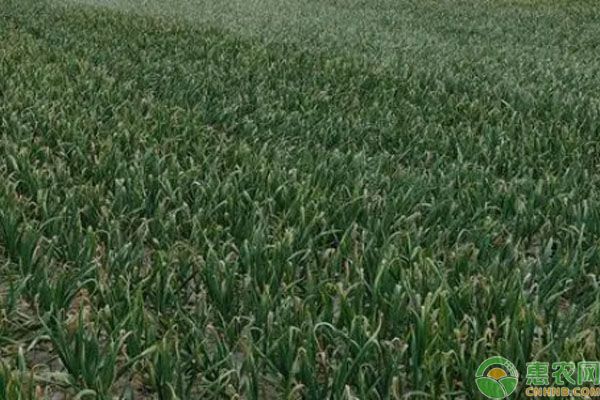
Garlic is sowing too deep, it is produced late, its seedlings are weak, and its swelling is inhibited and its production is reduced. As the saying goes, “deep garlic”, means that garlic is suitable for light broadcasting. However, garlic is planted too shallowly, and after its roots, it is easy to lift garlic out of the ground, or it is very close to the surface, affected by the sun and high temperatures, making it red early, hardening, affecting development, and creating cracks and reducing the quality of garlic. This phenomenon is referred to as “the garlic”. In order to avoid the use of garlic, care should be taken to sow it in due course. The planting was followed by appropriate repression, which combined grass-planting with the cleaning of trenches. The soil thickness is typically 3-5 cm。
Overriding the membrane
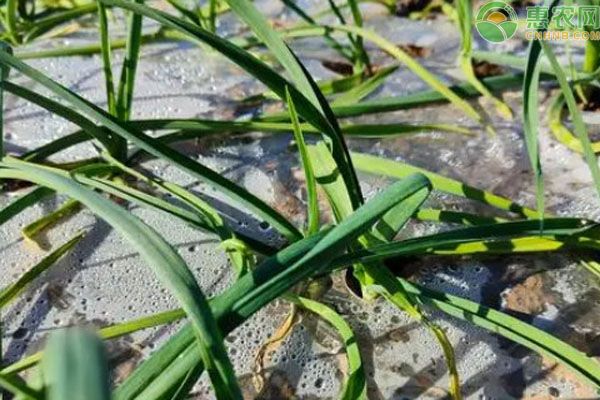
The membrane-covering techniques have a significant productive effect in garlic cultivation. The membranes can keep warm, wet, weeds, pests, etc. The covering of the membrane should take place approximately three days after sowing to ensure that the membrane is close to the ground. Herbicide is sprayed to prevent weed breeding. The covering of the membrane should be carefully checked and the gaps filled in a timely manner。
Management of moisture
There is a need for adequate water supply during garlic growth. Garlic fields covering the membranes are generally dominated by small waterwork. Once seeded, the first water is poured in order to promote the bud; a second water is poured before seeding; and the critical periods of seedlings, pre-winter, return to youth, garlic fragmentation are also required in due course. The water must be evenly wet so as not to cause the roots to rot。
X. Shrimp seedlings
Garlic seedlings are performed in a timely manner. In the morning or evening, when the temperature is low and the membrane elastic hours lighten the membrane with a new broom or make the seedlings surface. Small hooks can be used to avoid damage for hard-to-reach seedlings。
Xi. Combating pests and diseases
During the growth of garlic, care should be taken to combat the hazards of pests and diseases, especially garlic maggots. Garlic maggots endanger garlic seeds and roots with larvae, leading to malformation and insinuation. Preventive measures include pre-plant treatment of toxic soil and seeding mixing; and the use of high-efficiency agents such as chlorocypermethrin or thorium in case of maggots。
Xii. Quicking in time
Specific pick-up times should be flexible according to the purpose of cultivation and the characteristics of the species. It can be collected at around 7 cm of garlic (excluding the general part) above the last leaf when the upper part is not bent, and at around 15 cm above the last leaf when the upper part is aimed at increasing the yield of garlic。
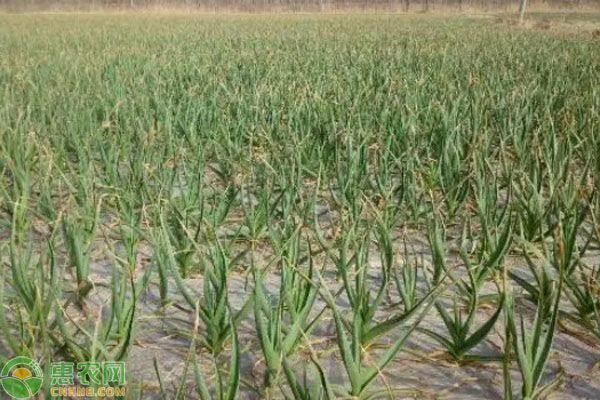
These are the 12 technical points on garlic in the autumn, the golden period of garlic planting, where mastery of scientific farming techniques is essential for improving the production and quality of garlic。
You may be interested in and welcome to the content of the following recommendations。