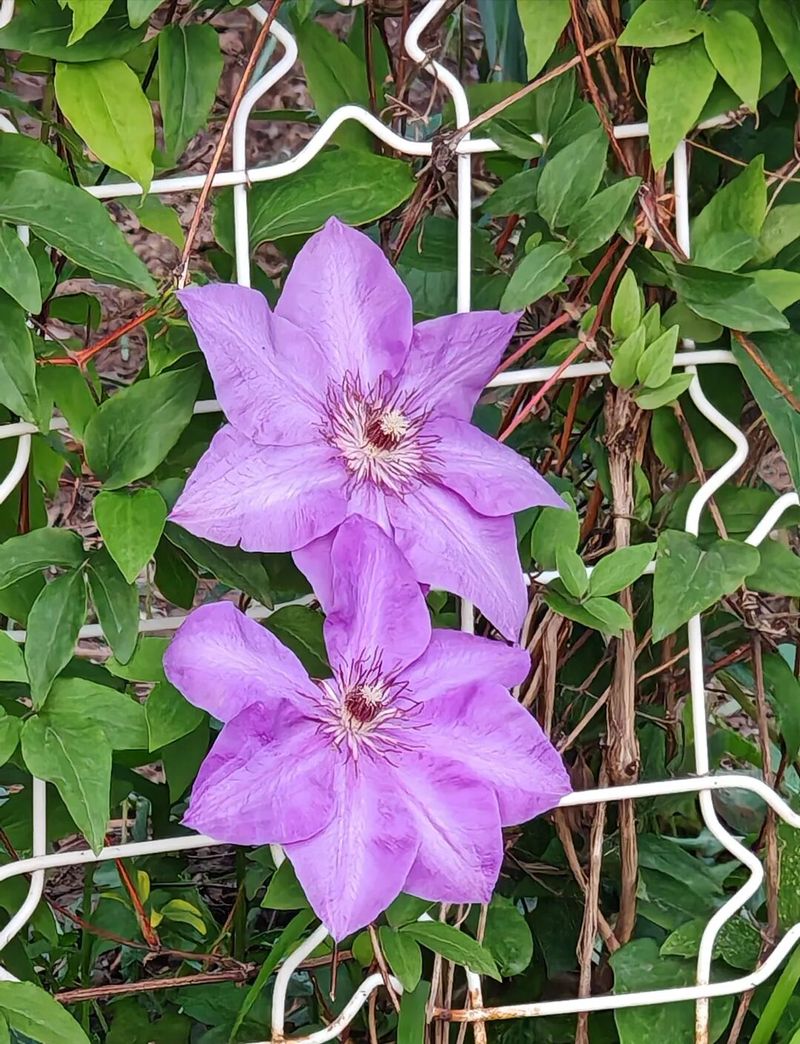
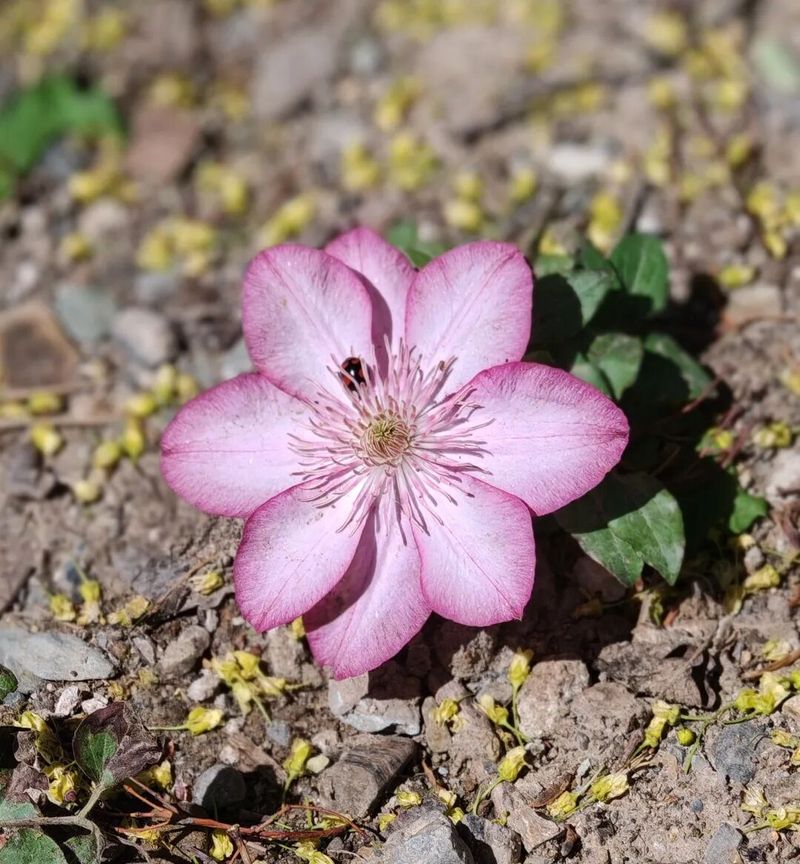
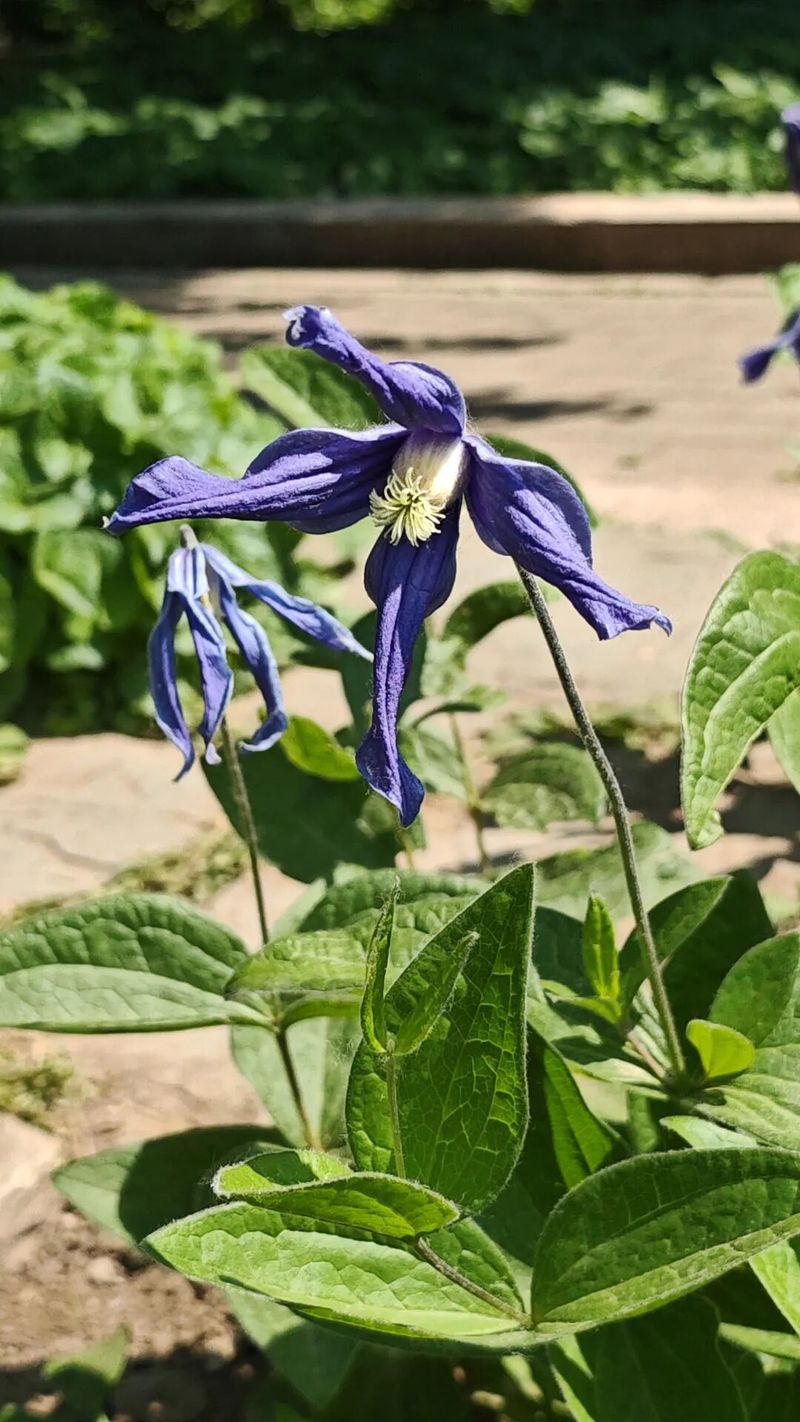
I've heard of iron lotus, and i never knew what it looked like, and this year i first saw it. It's in the national botanical garden, and it's on the ground in a small, puddle with a big flower. If you don't look down, it's easy to miss. At the time i thought iron lotus was such a small plant growing on the ground。
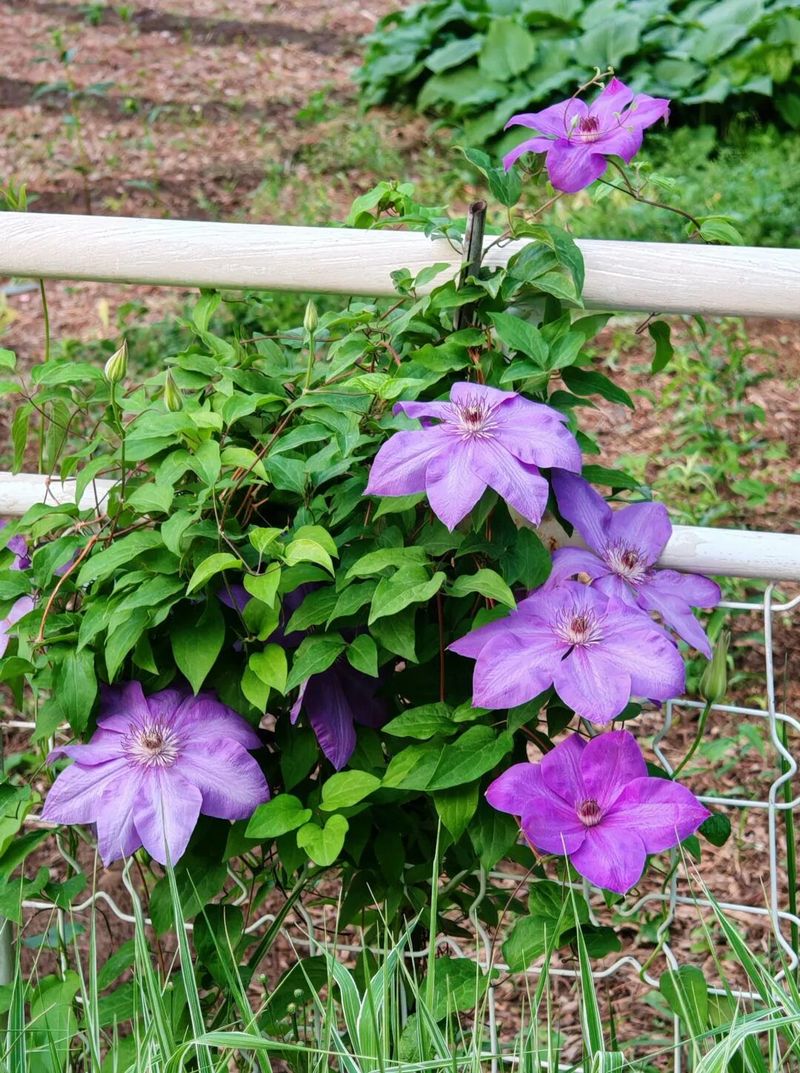
Then it met twice, and it changed its face — crawling on a shelf, full of flowers, all colourful. Let's get to know it。
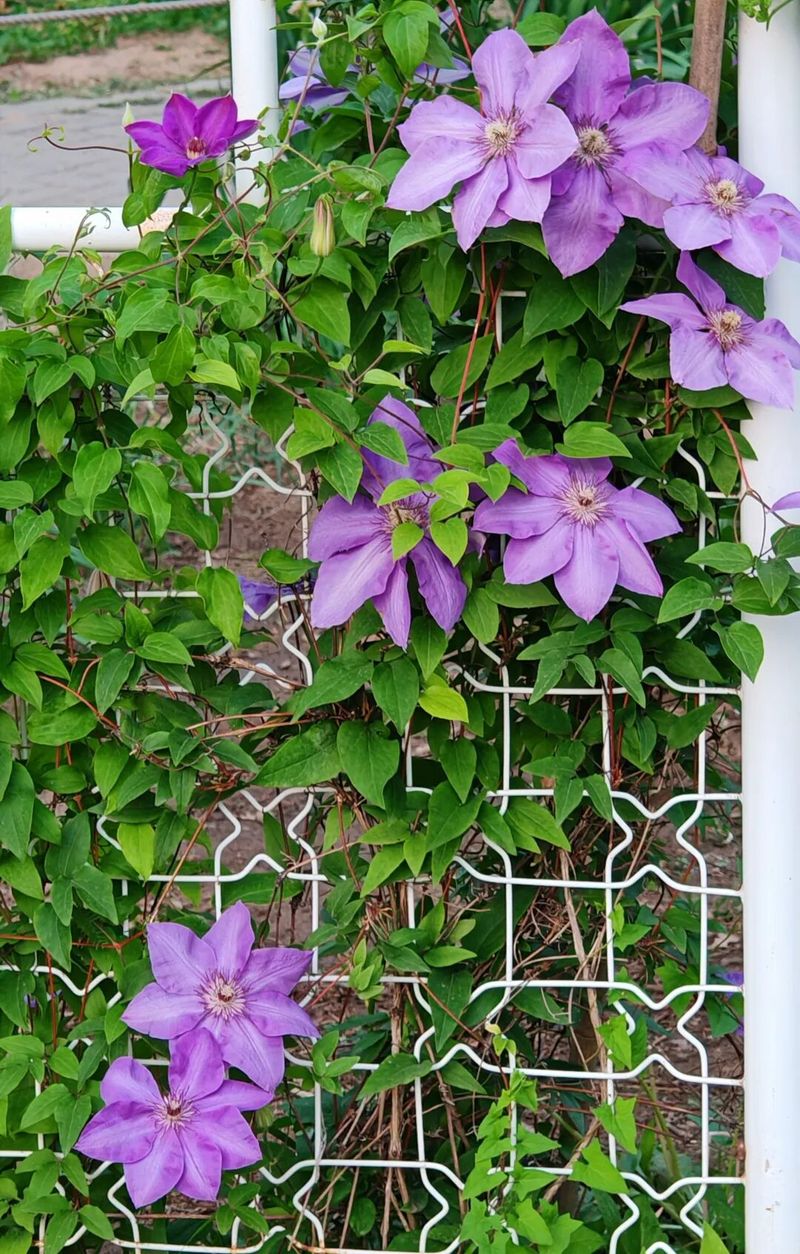
Iron lotus is a multi-year vegetable plant. There are about 300 primary species around the world, and there are about 108 in our country, which in the horticultural world is known as the queen of fujimoto。
The origin of the name
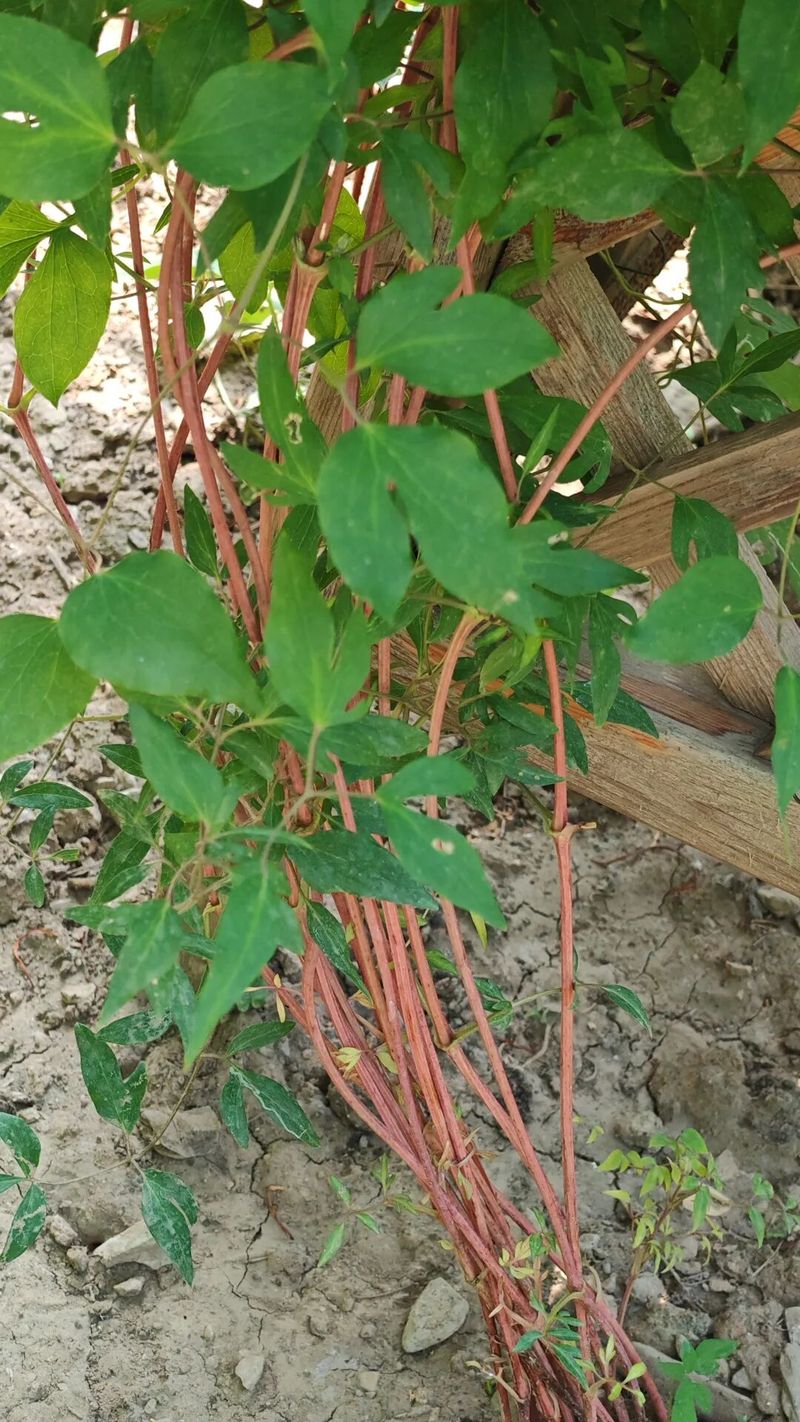
"the wire" comes from its penis. Iron lotus's penis is brown or purple, like wire, very resilient. The qing dynasty "the glasses" wrote: "the stem is like a wire, the flower is like a hormonal." it has also been mentioned in the synopsis. The ancients used to cut off its vines and vines for ropes, and the folk called them “iron grass” or “iron vines”。
"lean" means what it looks like when it blooms. It's interesting that iron lotus doesn't have a real petal -- the colored part that we see, it's actually its pelvis, which is degraded, which takes over the petals, which are big and beautiful and which attracts pink insects。
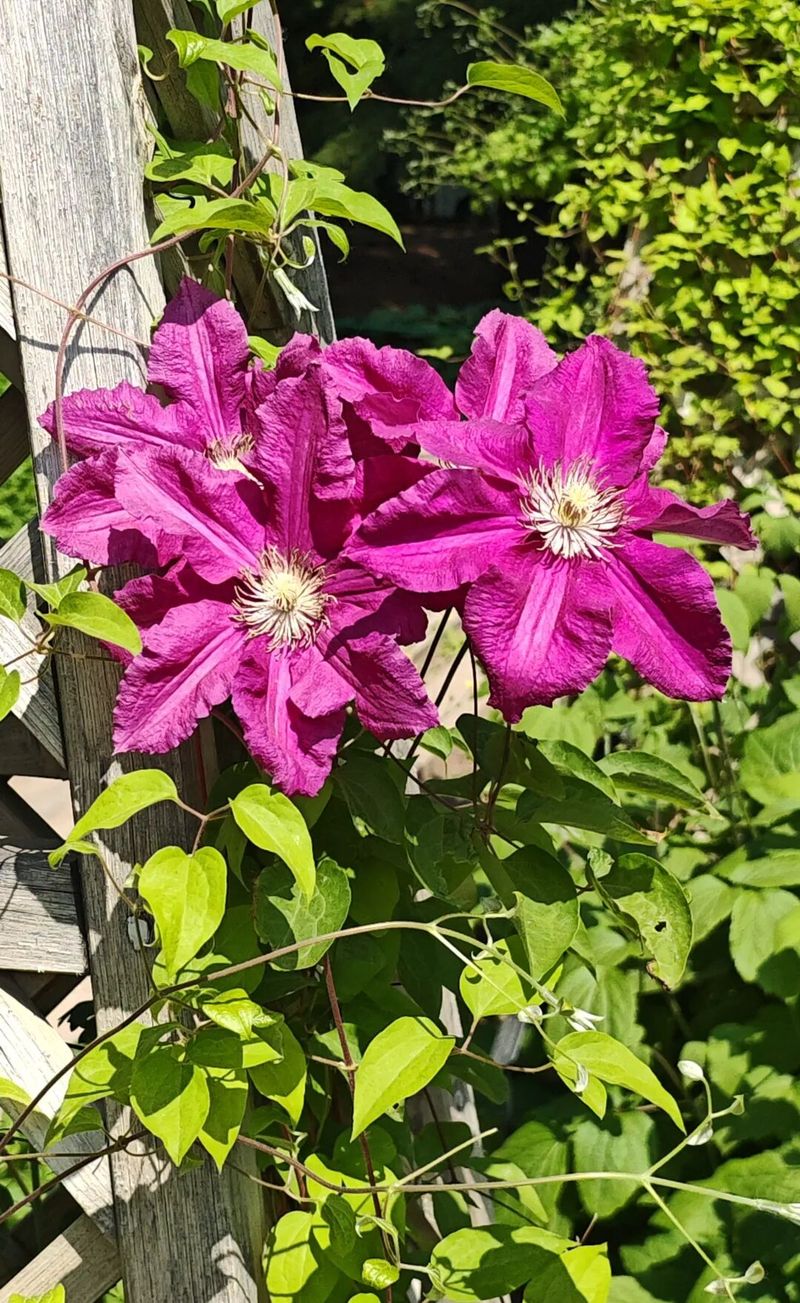
It usually has four to eight slices, white, pink, purple, blue and, in some cases, light perfume. So, the iron lotus is also known as "the flower without petals."。
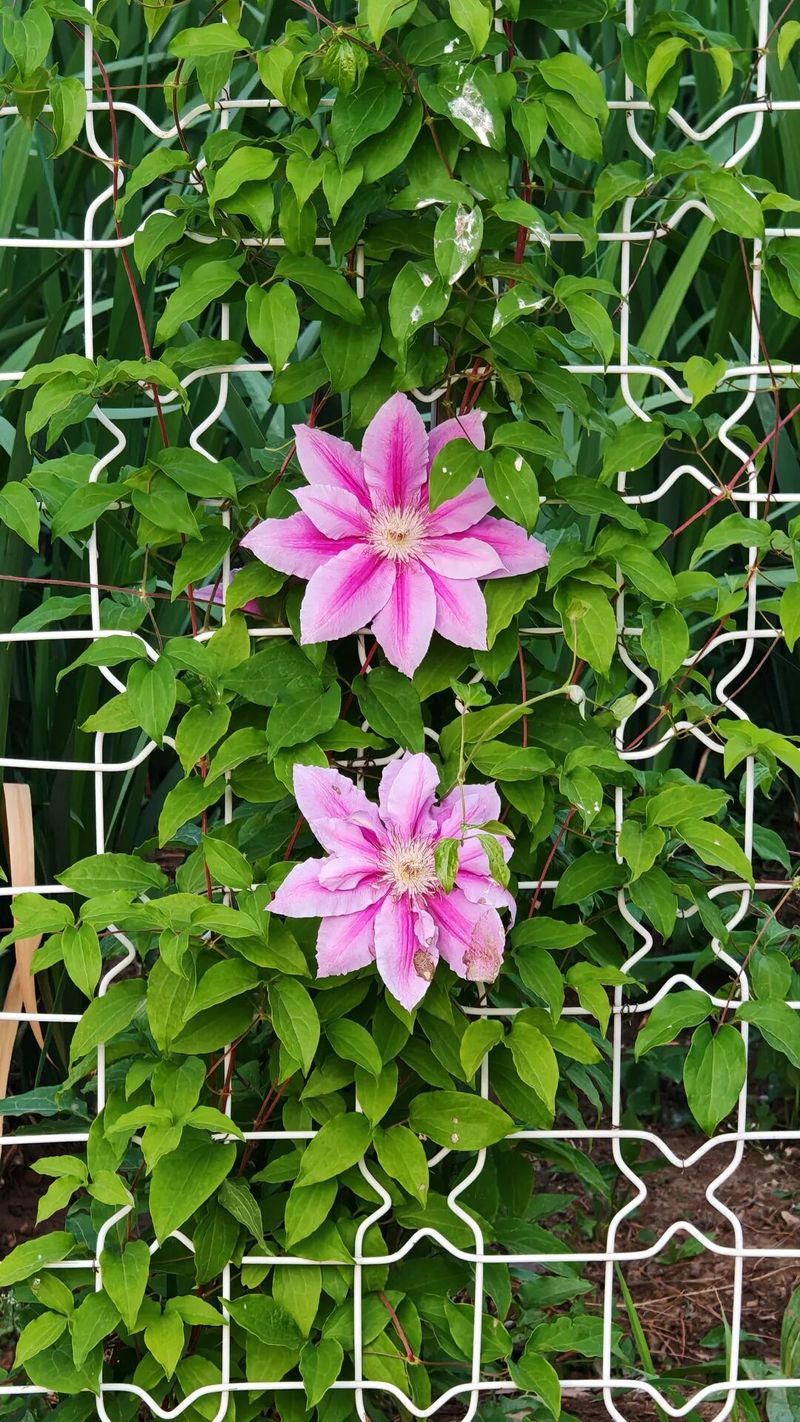
Iron-line is a weed vine that can be 1 to 2 metres long. There are six vertical stripes on the truncheons, and the leaves are the second and third doubles of life, and the handles of the leaves are drawn to other objects。
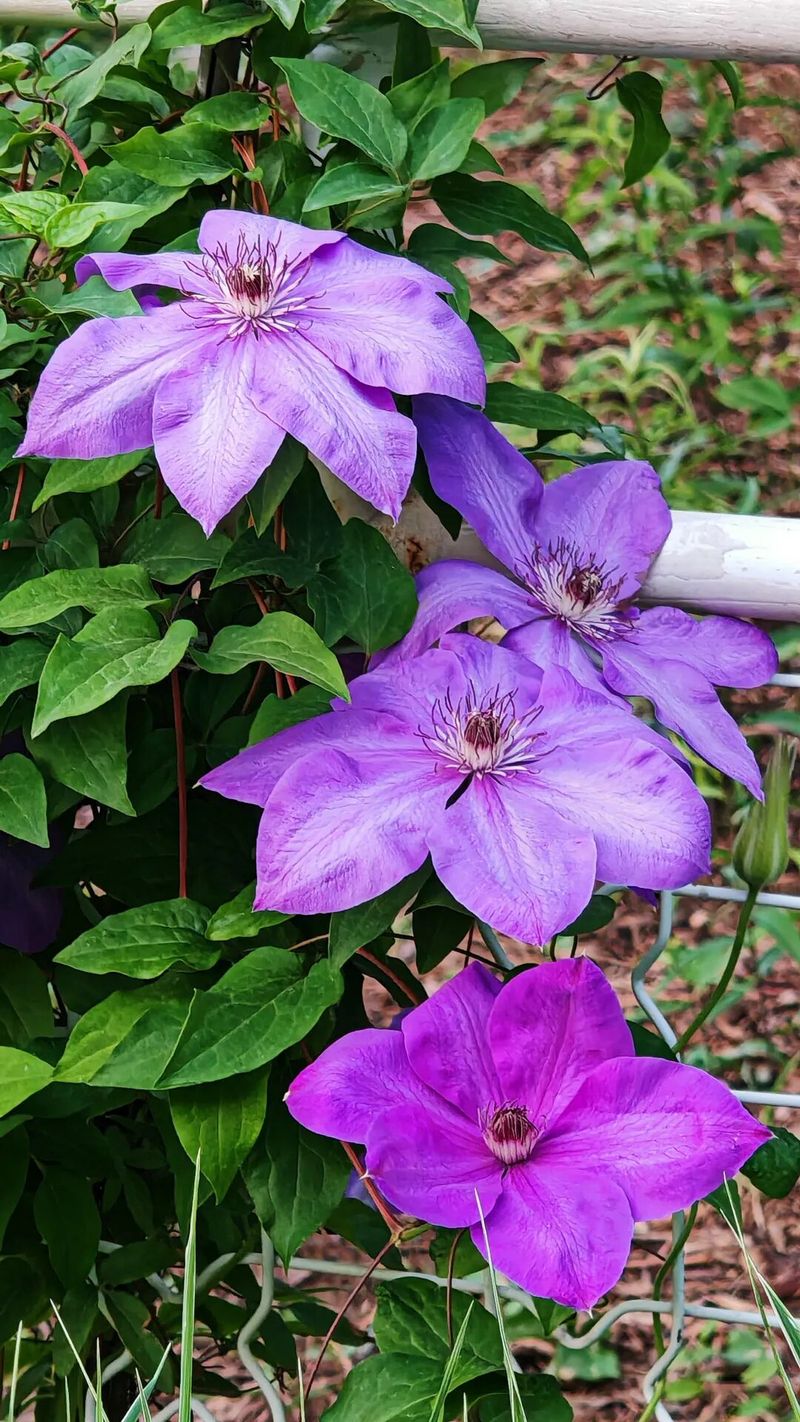
Flowers are born in abrasions, with single petals, heavy petals, large pellets on the periphery, and the center is a petalist. Flower paths vary from 15 to 20 centimetres and the largest to 30 centimetres. The period lasted from april to september。
The flower is followed by a condensed thin fruit with a white silky hair, like a little velvet ball。
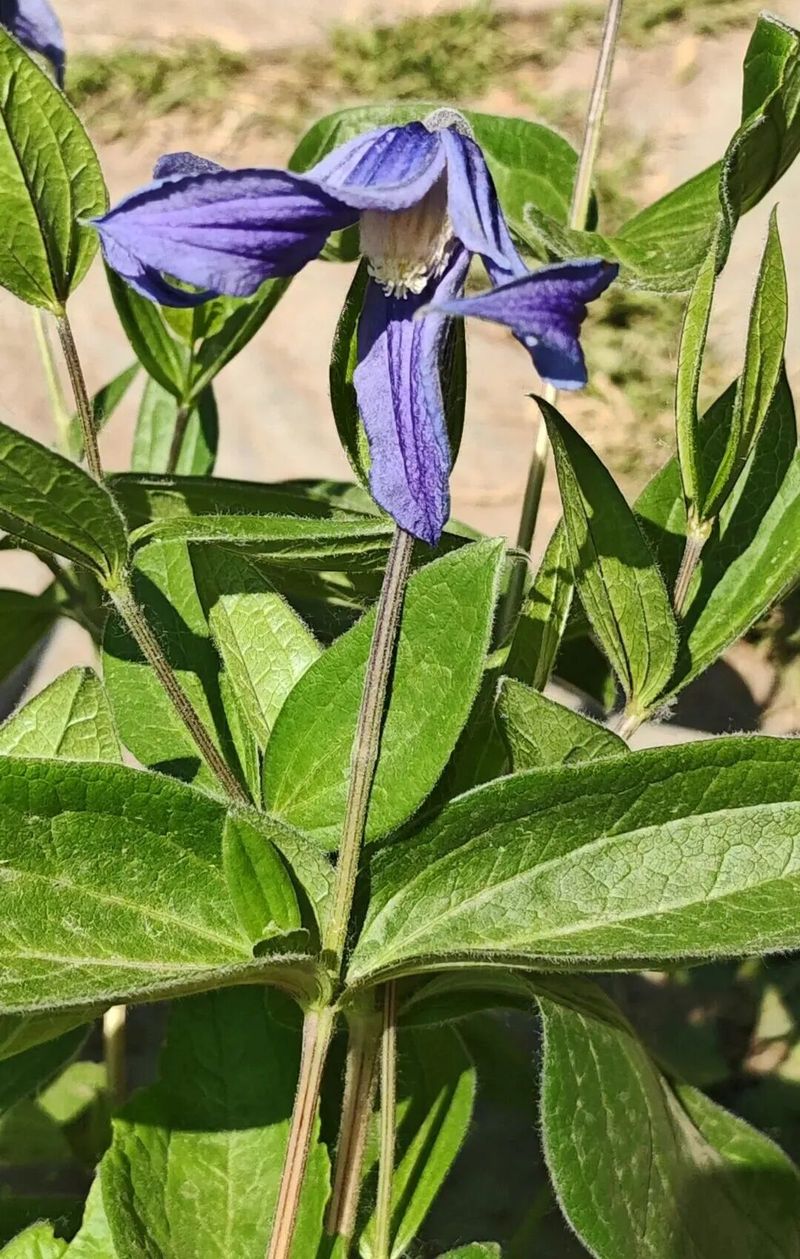
Fujimoto
Iron-line seems to have broken by a break, and the wood sector is actually very strong and able to climb a few metres. In the qinghai menda nature reserve, there is a coarse barbed wire of up to 15 cm in diameter, as thick as a trunk, over 40 years old and up to 70 years old。
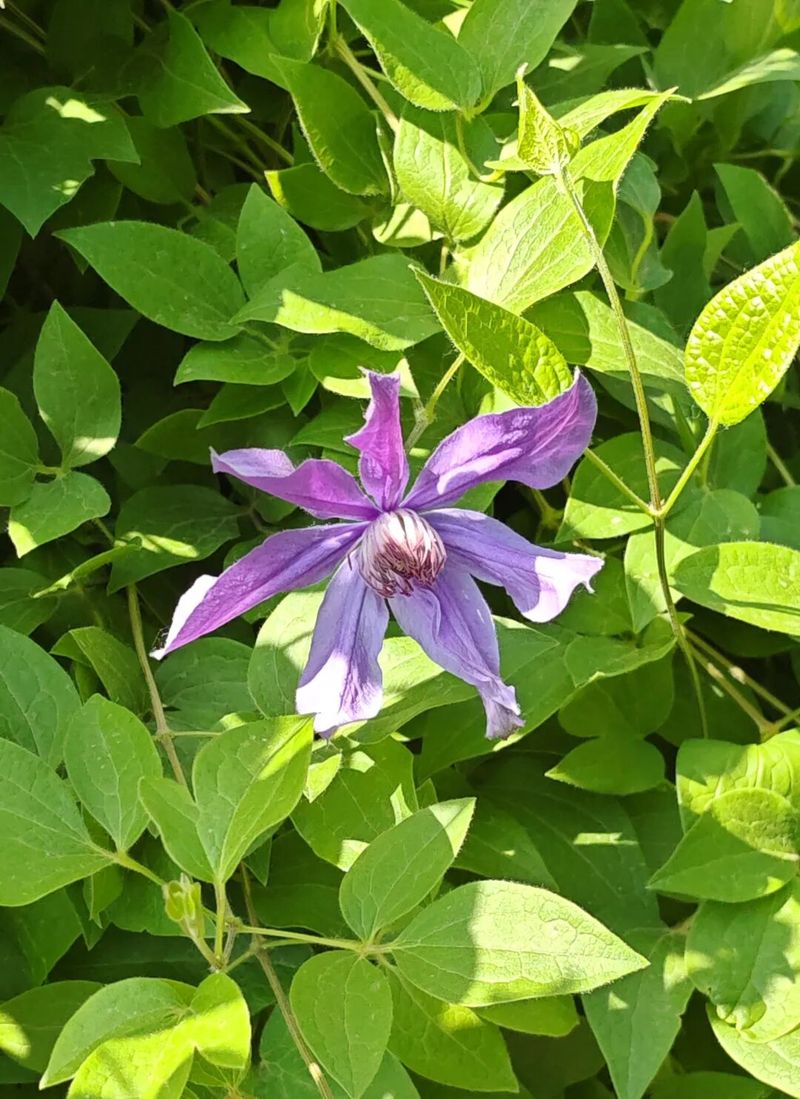
Not all iron lotus climbs the vine. The beijing-specific barbed wire is a small bush. It is rooted in almost vertical limestone cliffs, and in the early springs it blooms pink or white flowers in the cold wind, which is dubbed "fresh and flowers." owing to its slow growth and extreme difficulty, it is the city-level conservation of wild plants and is extremely endangered。
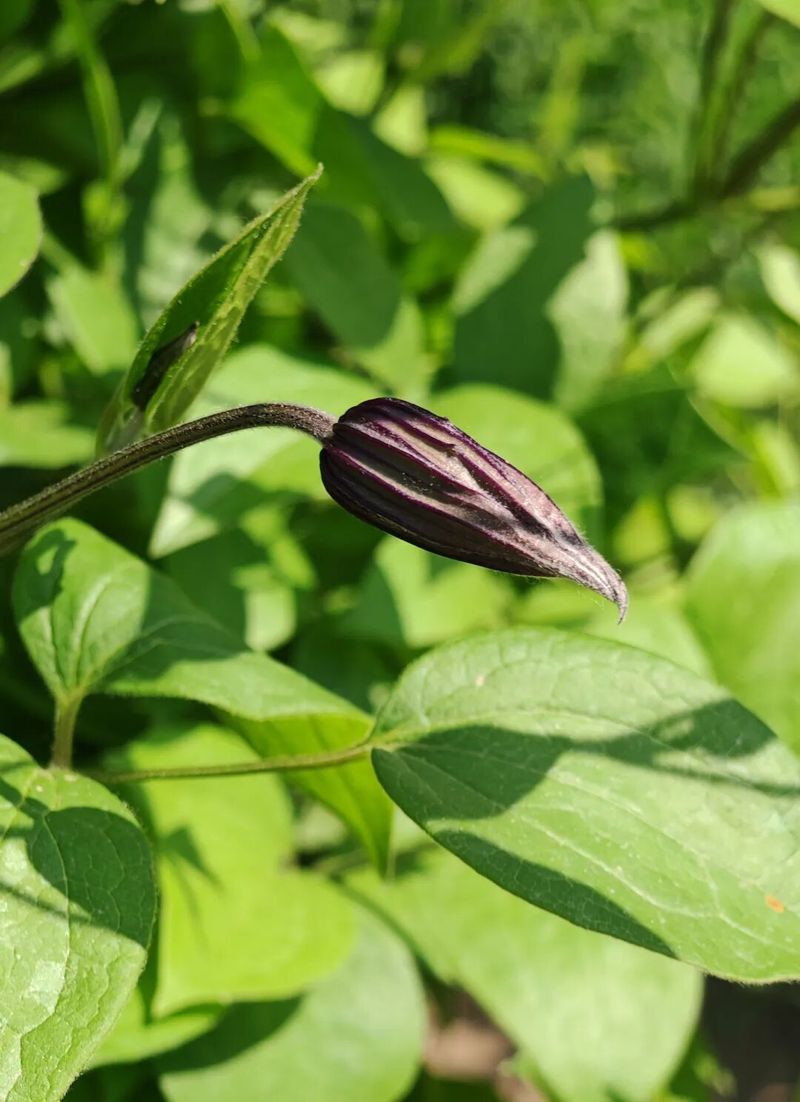
Conservation and pollination
Iron-line likes to shine on top of its head, but the roots must be shaded and cool, and water must not be accumulated. When planted, it is common to plant some small grass in the roots or to lay cover to “shadow”。
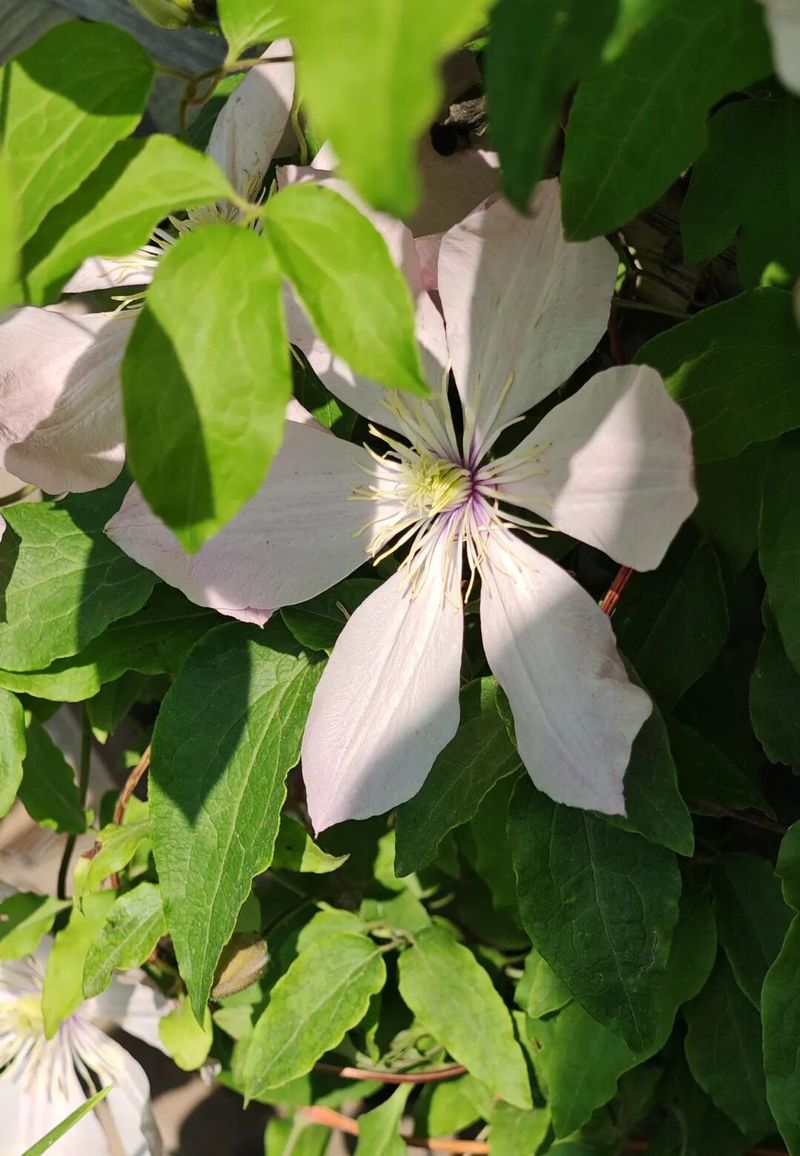
From the mountains to the royals of the west
At the end of the eighteenth century, a large number of chinese wild-wire lichen was introduced into europe for hybrid breeding. In the nineteenth century, british horticulturalists produced numerous varieties of flowers, and the iron lotus became the pet of the royal garden of england. In the european countryside, it was once referred to as the “weave of the poor” because of its rapid growth and strong coverage, and it was the treasure of a small farmhouse. Today, there are more than 1,000 horticultural varieties of iron lotus。
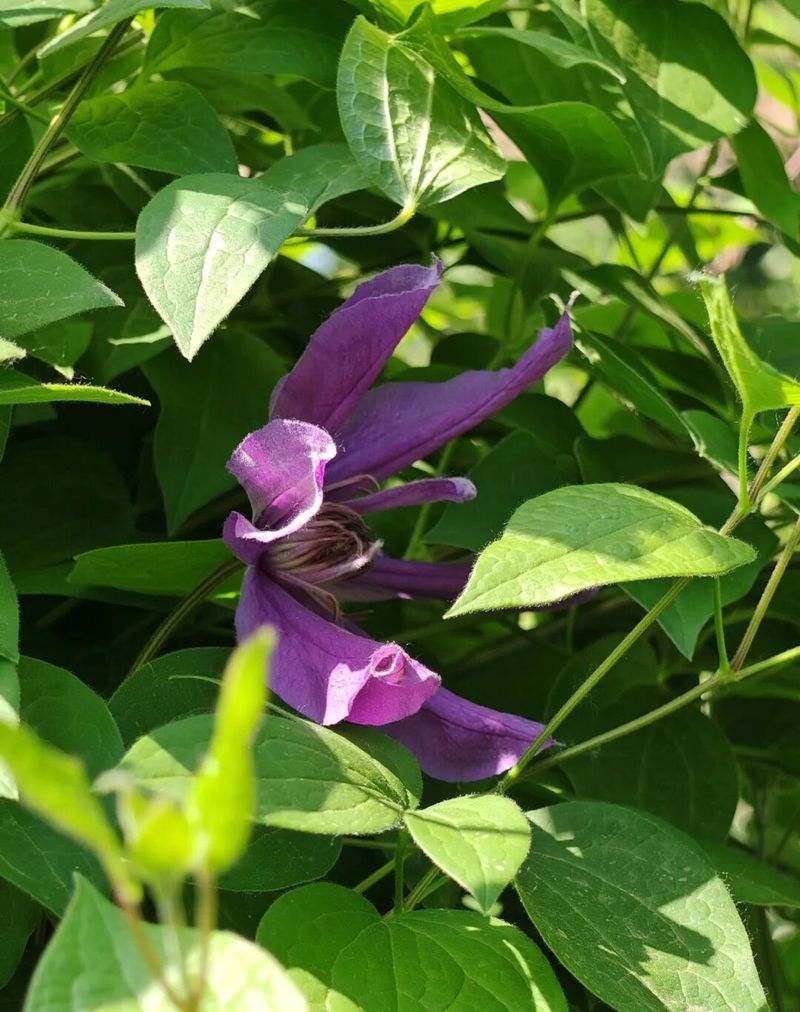
In modern horticulture, the brand name of the iron lotus is very cultural. At the nakayama botanical garden in nanjing, a variety of varieties such as the “turkish tsai” and “tsiaoyu” and “sho” were displayed。
Iron lotus in poetry
Emperor zou yi gui, the painter
Flowers and brooks of leaf and platinum。
It seems that mao zheng is going to be asked about the title of the national wind。
It means that the flowers of the wires are as tall as the flowers, and the leaves are connected as the leaves, and the chickens are embroidered as silk, as if they were the hands of fairies. Look at these beautiful flowers, i'd really like to ask mao and jung-hyun, how can they be confiscated
Ming qingyu poet, peng sun moo, marvels at the state of iron lotus:
He's been working for titi。
It's like a yin-yang tree with a light port on the side。
He said, "it is made of iron, and its flowers are sprouted with luxuriousness。
Value of medicines
The roots of the wires, the roots of the rods in the chinese medicine have the effect of ventilation, dehydration, active blood pain, communication, which is often used to treat diseases such as rheumatism and broken bones. Civil society often uses it with the elixir, but strictly speaking, the elixir is a particular species under the wire。