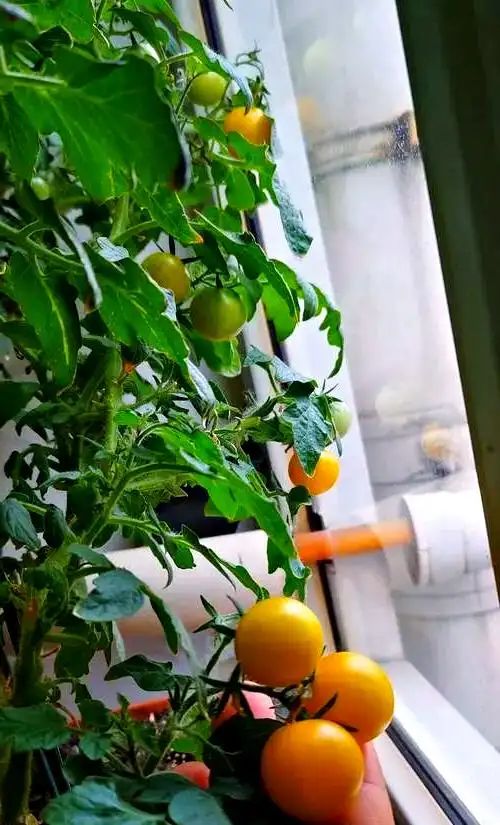
Tomatoes, as widely popular fruit and vegetables, are not only nutritionally valuable but also tasted well。
In order to achieve the twin goals of high yield and high quality in the process of tomato cultivation, shed cultivation has gradually become a popular practice。
In addition to being effective against the adverse effects of severe weather conditions, the use of sheds to plant tomatoes can provide them with a more desirable planting environment, thus improving their yields and quality。
This paper will focus on scientific techniques for the cultivation of tomatoes in sheds, with the aim of providing practical solutions to the problems encountered by a large number of farmers ' friends during planting。
Baby。
I. Choosing seeds
The proper selection of seeds is the first step towards the successful cultivation of tomatoes。
First, priority should be given to those varieties that are more resilient and yield more productive。
Given the vulnerability of tomatoes to multiple strains, the selection of highly resistant varieties can significantly reduce the likelihood of disease and thus increase crop survival。
Second, the choice of high-yield varieties can guarantee economic gains at the source。
Finally, suitable varieties need to be selected in the context of local market needs and preferences of consumers, and to be tailored to meet their needs。
Ii. Treatment of seeds
Seeds are properly treated with the aim of increasing growth and seedling rates。
First, the seeds are immersed in salt water for about 10 to 15 minutes, and excellent seeds are screened using sedimentation:
Enriched seeds at the bottom are good seeds
Empty particles floating on the surface are poor seeds and should be discarded。
The seeds are then washed with water to remove the salt。
Finally, seedlings can be treated using thermal, pharmaceutical, earth and other methods, depending on the characteristics of the species, which not only shortens the cycle of seedlings but also improves their alignment and quality。
Settling。
I. Timing
Tomatoes are usually picked during the autumn and winter seasons, and when they are marketed during the year's arteries, they tend to yield the best economic benefits。
Therefore, planting time should be scheduled in mid-august or early september to ensure a mature supply of tomatoes during the spring festival。
This period is also a critical stage in the selection of good seeds, which can be effectively improved by the use of large-breeding。
Specifically, seedlings could be started in july, after about a month and a half, when flowers would grow in the shed。
In the area of fertilisation management, the use of root-driven and long-lived fertilizers should be timely, while plastic film should be covered on the soil surface, so as to achieve the effect of wetting and increased survival of seedlings。
Ii. Planting methods
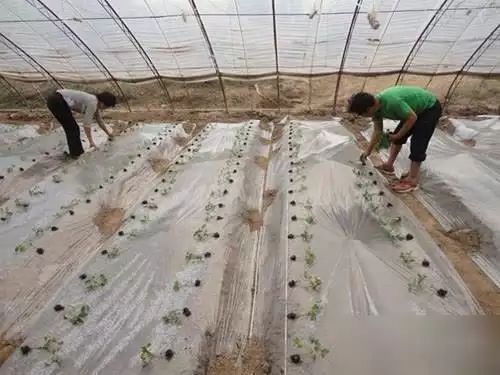
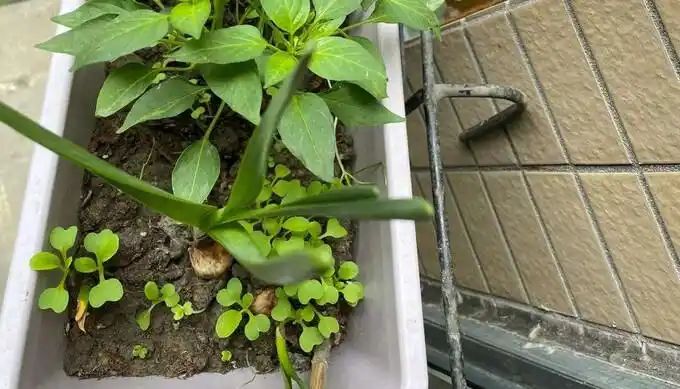
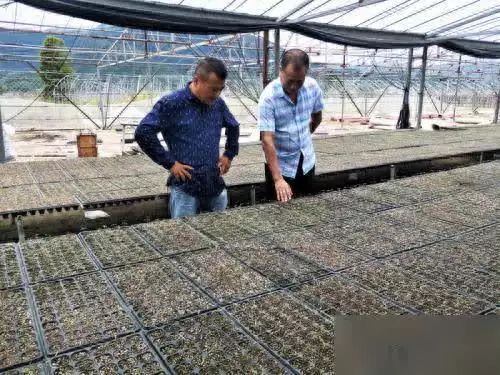
Once the nursery is ready, the seedlings will first be trimmed and plugged, followed by continuous water spraying and wetting。
After about three or four days, the extraction can begin。
It is then necessary to dig holes on pre-prepared land, then to put seedlings in the pits, then to practice the ground and step on it, with care to water and preferably after the evening。
Iii. Fertilizer water management
Fertilizer management, which is central to the development of tomatoes, is directly related to their growth and development。
Advertising white collars relaxing new choices, and super new legend sites wear you out
Tomatoes are suitable for growth in fertilized and fertile sandy soil and soil ph values should remain between 5. 5 and 7。
The following principles need to be followed in the ground-to-ground operation: deep soil reclamation, improved soil structure and application of base fattening, together with adequate soil grinding to create a good growth environment for tomatoes。
Once the planting has been completed, the following points need to be noted:
New plants need to be wetted to maintain good growth
Fertilisation in accordance with established time patterns to ensure adequate nutrition of plants
(b) focus on fertilization of the leaves to increase the resistance of plants
Rational use of urea to ensure soil nutritional balance and good plant growth
(b) reasonable control of water recharge and methods to ensure that plant roots are able to breathe normally
The timely use of catalysts to reduce the maturity of the fruit and increase the weight of single fruit。
Plantation management。
I. Roast and top
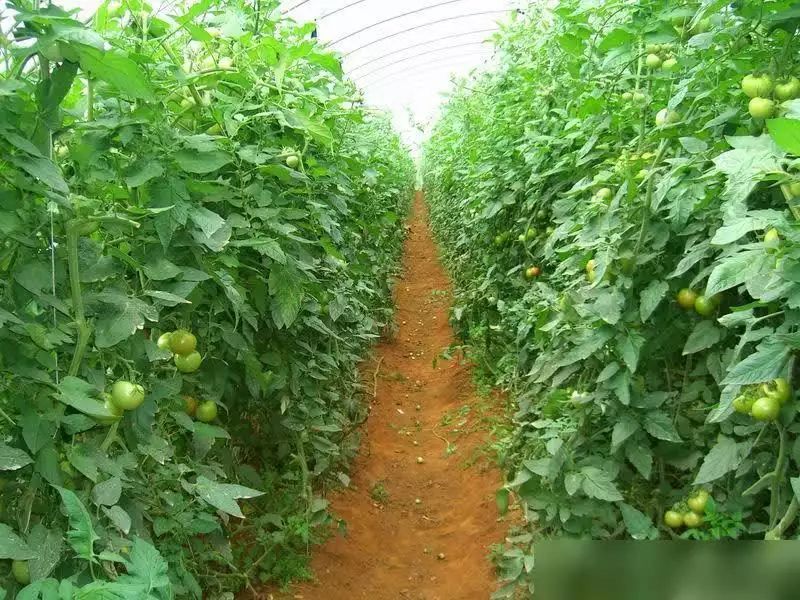
Roast and roofing as important management links in tomato growth play an important role in improving the ventilation of tomatoes and promoting their smooth growth。
When the tomato plant is up to 167 cm, it needs to be operated in a timely manner。
This is done by placing the barbed wire between the roof of the greenhouse and the next line of growth, and then entangling the plant up on the barbed wire, thereby preventing the plant from falling。
In the event that the plant is found to be inverted, the plant should be put up in a timely manner and tied to the plant with a thin wire so as not to affect the normal growth of the plant and the development of the fruit。
Topning is a method of regulating plant growth cycles through the removal of the sprouts, the main purpose of which is to avoid long-growing plants and thus increase yields。
After the plant has been hanged twice, it needs to be top-toped in a timely manner to remove the sprouts, encourage the sprouts to grow and prevent premature fruit from being produced。
Ii. Temperature control
Temperature is one of the major factors affecting the development of tomatoes, with appropriate temperature ranges from 25°c to 30°c during the day。
If the temperature is too high or too low, it can have adverse effects on the development of tomatoes, for example in the case of flowers falling fruit and even in the case of crooks。
Therefore, during planting, the temperature changes need to be closely monitored and measures taken to regulate the temperature in a timely manner to maintain the appropriate growth temperature。