The founder of nursing science, nightingale, once said, “to achieve the best physical and mental state necessary for treatment and health for all the different people is in itself one of the most fine arts”. Care involves a great deal of human attention, and when patients come to hospital for treatment because of their illness, as a district nurse, they should gain the trust and approval of the patient in an elegant manner, in a kind and gentle manner, in a civilized and polite service, in a highly skilled technology and in a timely manner to meet their needs。
01
An elegant act
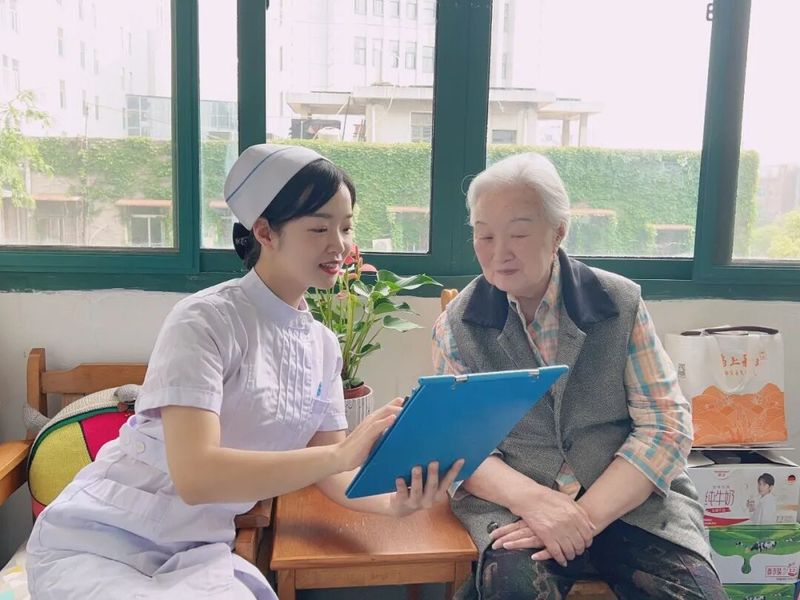
Nurses demonstrate their integrity, elegance and skill in the form of gestures, words, etc., which reassures the patient. When talking to patients, they look at each other and speak politely, making them feel comfortable and comfortable, increasing their trust in the hospital, eliminating anxiety, being hospitalized and actively cooperating with the treatment。
02
Kind and gentle
The genuine smile of the nurse, the sweet look of the eye and the sweet greeting will make the patient feel cared for, cared for and warm, freeing him from loneliness and building confidence against disease. Depending on the type of care given by the patient's age, sex, culture and background, the nurse learns to communicate effectively and properly。
Child-friendly patients
Child patients are lively, mobile, with poor independence, in unfamiliar environments, psychologically afraid and curious. Nurses must be caring, patient and co-ordinated, so that when a child patient cries, he or she can comfort the child by whispering, calling him or her affectionate, soft, soft, soft, verbs, temperature and soothing her fear with motherly care. This can also be done by touching, holding hands, etc。
Listening to young patients
Young patients suffer from a low level of self-esteem when ill, mainly in the form of irritation, emotional volatility, anger, frustration and lack of cooperation with treatment. Nurses should be patient in dealing with the psychological responses that arise and can be accompanied by non-verbal support, such as quiet company, patient listening, etc., so that the patient's emotions can slowly stabilize。
Compassion with middle-aged patients
Middle-aged patients tend to be self-responsible, impatient and contradictory because they are at the stage of family responsibilities. Nurses are required to understand and feel with the patient in an inclusive manner and to comfort and persuade the patient in due course, and to communicate in a spirit of common sense, speaking with good words and avoiding preaching。
Respect for elderly patients
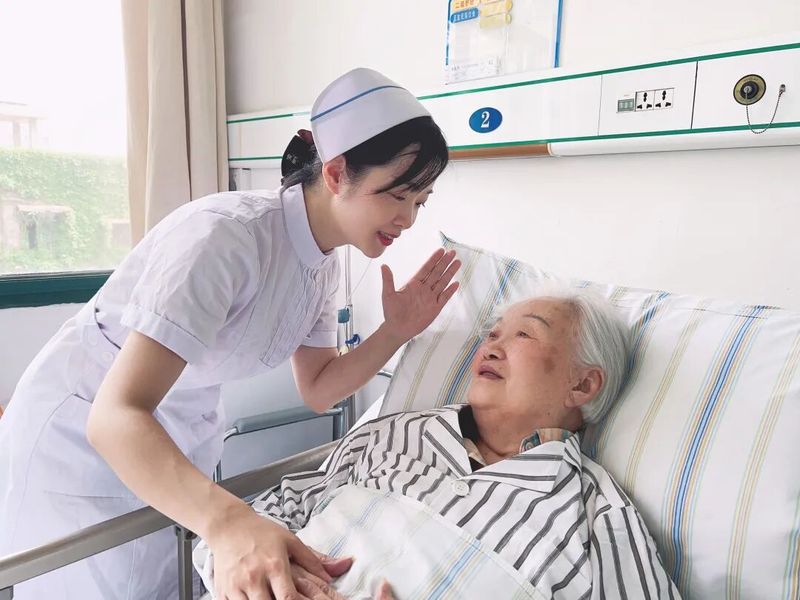
The most prominent psychological characteristics of older patients are loneliness, sensitivity and suspicion, which requires more respect, kindness and patience on the part of nurses. Due to the slow response of older patients, the poor hearing and vision, the ability of nurses to speak at a slow pace and speak loudly during communication, the patience and enthusiasm to respond to patients ' questions, the ease of speaking, the lack of haste, the timely nodding, the smile, the attention, etc。
03
Civil and courteous service
In and out of the ward. Be quiet and polite
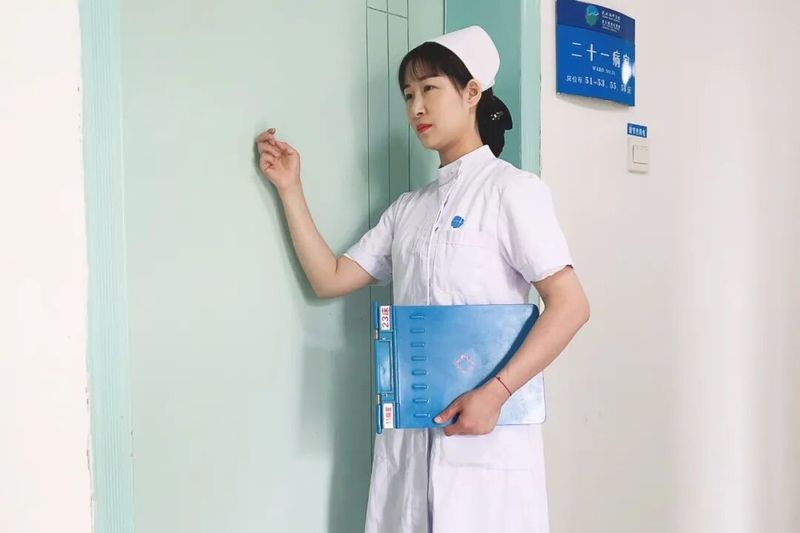
Nurses entering the ward for treatment and care are required to knock on the door before entering the ward or, in the case of rest periods, to open the door gently and then close the door with their hands. When closing the door, you have to push and pull with your hand, and you cannot use the car or the wheel to hit the door, push the door with your elbow, kick the door with your foot, arch the door with your hip and knee. If a person enters the ward in order, they are allowed to “respect”, accompanied by gestures, and close the door. When leaving the ward, be polite and say good-bye, and when leaving the room, the patient should be asked to leave and the door opened lightly。
Passing through the hallway, the patients are being treated
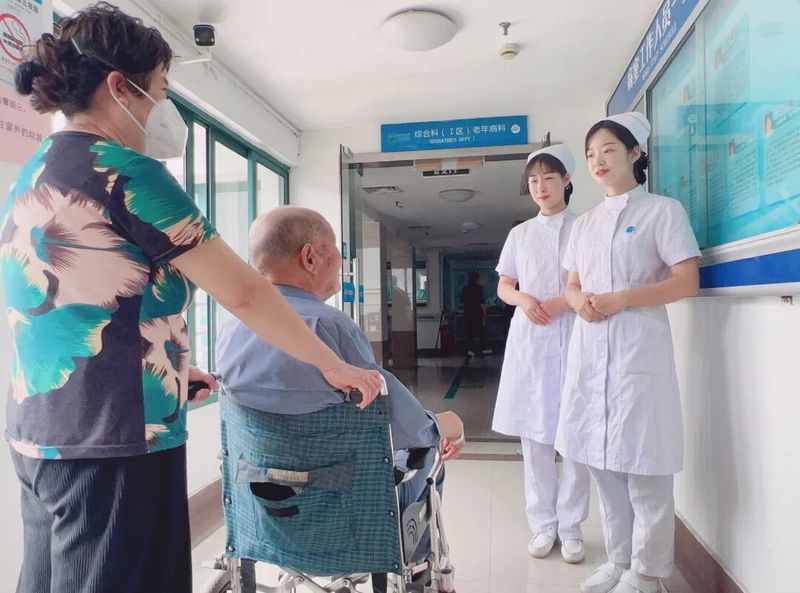
When the patient meets in the corridor of the ward, the patient is treated with courtesy; when the wheel drive is pushed, the treatment car or disk is moved to the side and the patient is shown to pass with a smile; and if the patient has already given way to acknowledge that he or she is not in a good position to act, he or she must come forward and ask for help. Nurses pass through the corridor of the ward as far as possible, with robust and quiet feet, reflecting a good mental state without compromising the rest of the patient。
Take the elevator and be modest
In addition to rescue needs, patients are treated in an elevator. In the case of an unmanaged elevator, the nurse should enter the controlled opener button, then invite the patient to enter the floor, then the nurse will control the opener button, and the patient will be asked to come out first and then to come out later; in the case of a managed elevator, the patient will be asked to go first, the nurse will come in and out later. If the nurse pushes into the elevator, the elevator shall enter at the end and stand towards the elevator door。
Protection of privacy and protection of interests
The patient's personal letter may not be opened; information about the patient's hospitalization and condition may not be disclosed to persons not related to the treatment, much less as a topic after the tea; issues concerning the patient's privacy are not discussed with the patient in public。
04
Excellent technology
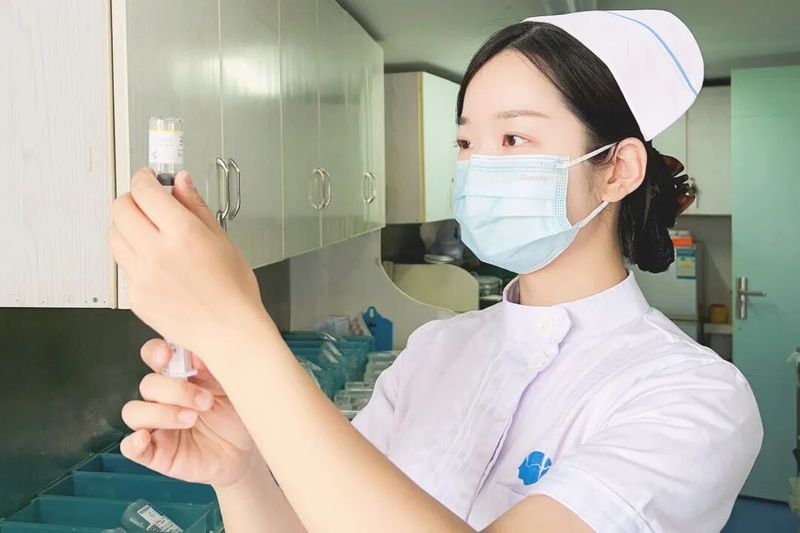
During the patient's stay in hospital, the skilled nursing techniques, the routine operation of the nurse are important factors in gaining patient approval, helping the patient to build confidence and security, and the key to the nurse's care tasks. Therefore, a qualified district nurse must be skilled in professional and operational skills and be careful to gain the trust and respect of the patient with skilled, safe, accurate and regulated care services. When the patient raises questions, the nurse carefully checks the questions raised and then provides the patient with a clear explanation before the care is performed。
05
Timely response to patient needs
During the patient's stay in hospital, the needs are mainly threefold: environmental needs, information needs, emotional needs. In the case of reasonable needs of the patient, the nurse shall make every effort to meet the medical needs and hospital conditions. The nurse shall arrange the ward in accordance with the patient's specific circumstances and shall not exercise any right to privacy; shall give the patient a proper explanation based on his or her condition, age and physical condition, and shall provide patient, careful and targeted health guidance to reduce the patient's anxiety and fear of the disease; the nurse shall, to the extent possible, give the patient the care, care, compassion, consolation, communication with the patient and a good mental attitude conducive to the treatment and rehabilitation of the disease。
Homework
After reading, scan for 2d
Target: all-house nursing staff
The 2-dimensional code will close at 1700 hours on april 21st
Performance appraisals will be incorporated

Test 2d