Introduction: the key to timing
For horticultural enthusiasts with expectations, it is a pleasure to plant a fruit tree with their own hands and to see it grow and bloom. However, the choice of the right timing for planting is crucial if this seedling is to grow smoothly into a big tree and bear fruit. The planting at the wrong time may lead to low activity rates, poor growth and even failure to cross the first winter or summer. So when is the best time to plant a fruit tree? This is not a simple answer; it is influenced by a variety of factors and requires our scientific judgement。
Autumn planting: the advantages of taking root over winter
In many temperate areas, the autumn (usually after the fall of leaves and before the soil freezes) is considered to be a golden time for planting leaf fruit trees (e. G. Apples, pears, peaches, plums, almonds, etc.). This is due to a gradual reduction in the temperature in the autumn, the growth of parts of the tree area has largely stopped or very slow, and nutrient consumption is low. However, the temperature has fallen relatively slowly and the root system is still active, allowing growth and recovery to take place in the period prior to the freeze and to form new plumes. In this way, when spring comes, the roots of the seedlings are already closely integrated with the soil and can absorb moisture and nutrients earlier, laying a solid foundation for the seeding and growth of the ground. Fall-planted trees tend to be more drought-resistant and grow faster than spring-planted trees。
There are, of course, some potential risks associated with planting in the fall. In cold and windy winter areas, newly planted larvae may face the threat of freezing and drying. Therefore, when choosing to plant in cold areas in the autumn, appropriate anti-cool measures, such as earth-breeding, entanglemented grasslines or no rags, are required。
Spring planting: a cold-free choice
Where winter is particularly cold, frozen or snow-deep, spring (usually when the soil is unfrozen until the bud starts) is a more secure planting time. Temperatures are gradually rising in the spring, and soil moisture is appropriate for the survival and growth of the trees. The planting of seedlings at this time is an effective way of avoiding the harsh winter trials of seedlings. Once the temperature rises, the trees can quickly wake up from hibernation and begin to grow. For fruit tree species with roots that are resistant to cold or with shorter hibernation periods (e. G. Citrus in the south), planting is safer when temperatures stabilize in the spring or at the end of the spring。
The main challenge for planting in the spring is that seedlings need to have developed roots to cope with high temperatures and drought as soon as possible before the first summer. As a result, trees planted in the spring need to be managed more carefully in the summer, especially with adequate water supply。
Core factors influencing the timing of planting
In addition to the two main seasons of spring and autumn, the selection of optimal planting opportunities requires consideration of the following core factors:
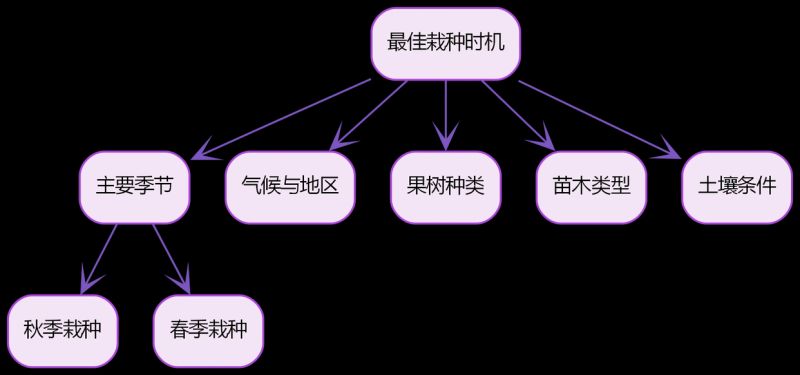
Factor i: climate and regional differences
China is vast and the climate is very different between north and south. In the coldest areas of the north, spring planting is usually recommended; in the yangtze basin and the temperate and subtropical areas south of the yangtze, autumn or early spring is the preferred option; in the warmer winter areas, such as south china, planting times are more flexible, avoiding the hottest and coldest winters, and theoretically all but summer, but spring and autumn remain relatively better。
Factor ii: type and characteristics of fruit trees
Different types of fruit trees have their specific growth habits. Most fallow trees (e. G. Apples, pears, peaches, cherries, grapes, etc.) are suitable for planting during hibernation, i. E. After fall leaves to pre-spring spring. Normal green fruit trees (e. G. Citrus, platinum, yangmei, etc.) are best planted when the temperature is suitable in the spring or autumn following a steady return to temperature, and they do not go through an apparent hibernation period and are more sensitive to low temperatures。
Factor iii: tree type
The fruit tree tree tree, which is common on the market, has a bare seedling and a container. Naked seedlings, usually removed from the nursery, must be planted during the hibernation of the trees, i. E. In autumn or spring. Packaging seedlings are grown in containers, with a whole range of roots with full soil and are more adaptable to transplantation, and theoretically, if properly maintained, can be planted at almost any time of the year, except in extreme weather. However, even so, the choice of planting in the spring and autumn seasons to avoid high temperatures and severe colds can lead to higher survival rates and better early growth。
Factor 4: soil conditions
The state of the soil at planting is also critical. Soils should not be frozen or overwet. Overwet soil causes suffocation of roots. The ideal soil temperature is the temperature at which the root system can begin to operate, usually at 5°c or above. Autumn plantings should be completed before the soil freezes, and spring plantings should take place when the soil is completely unfrozen and does not go beyond mud. Knowledge of soil temperature variability patterns in your location helps to choose the best timing。
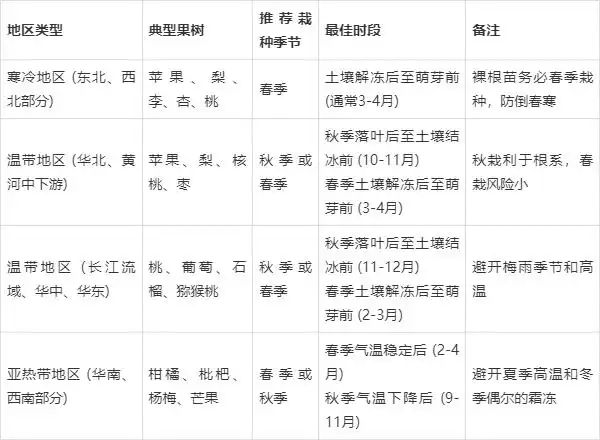
Recommended planting schedule (example)
The following is a simplified example, where the actual planting time needs to be adjusted to the specific region's climate and current weather conditions:
Preparation and follow-up maintenance before planting
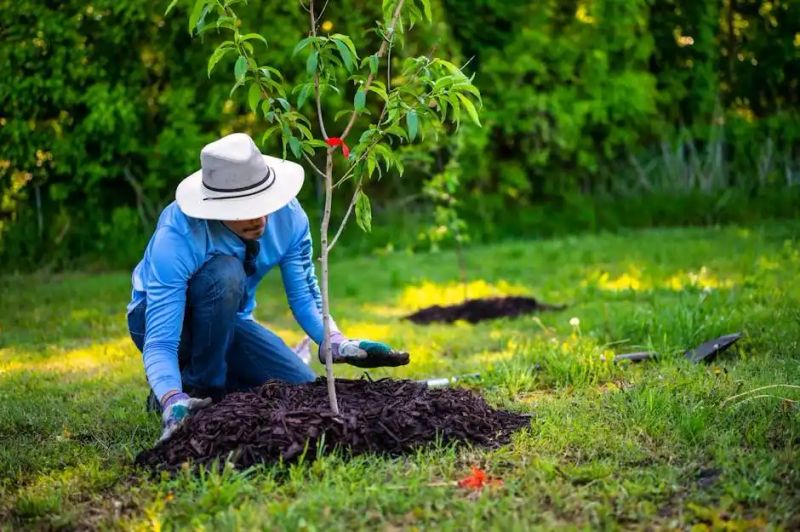
Sufficient preparation is also required when planting opportunities are selected. The selection of well-drained and well-silent plots and the digging of sufficiently large plantations are usually 1. 5-2 times the width of the seedling root system. When planting, ensure that the roots are stretched, filled with soil, and immediately watered. When planted, an organic mulch (coverage) is covered to help maintain soil moisture and contain weeds。

Wrap-up: localization, scientific planting
Overall, the best timing for fruit tree planting is not static, but depends on the climate in your area, the type of fruit tree you choose, the type of tree you buy, and the soil and weather conditions at the time. For most of the fall fruit trees, the fall leaves, before the spring sprouts, are a suitable period for planting, in which autumn tends to be more favourable for root growth, while spring avoids the risk of severe winter temperatures. For trees with constant green fruit or in extreme weather areas, springs or autumns that avoid extreme weather periods are safer. Most importantly, it is important to observe local climatic characteristics and soil conditions and consult local horticultural experts or nurseries to obtain the most suitable planting advice. Scientifically choosing the timing of planting is the first step towards healthy growth of fruit trees and the key to moving towards harvest gardens