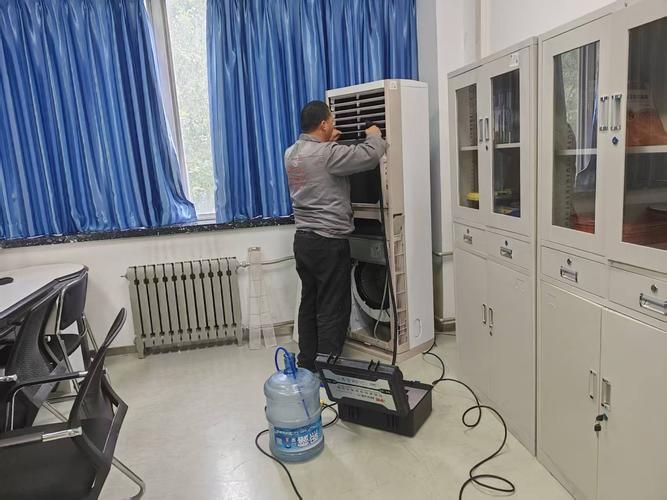
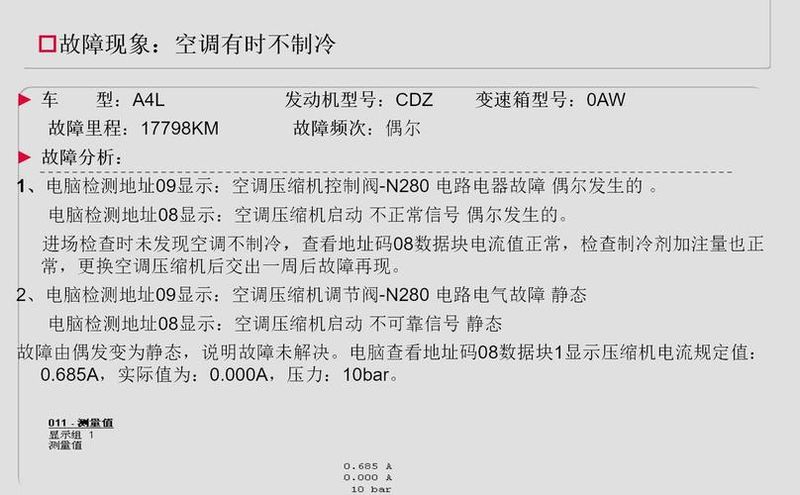
Vehicle maintenance pricing involves costing of multiple dimensions and reconciliation of market mechanisms, in which time, material and other costs constitute three core pricing modules。
The hourly formula is the hourly unit price x time quota, which is priced by the enterprise on its own, and the maximum standard set by the government road transport authority. For example, the flexibility of the 50-hour quota for the maintenance of a branded engine, which can be reduced to 40 hours in actual maintenance based on vehicle condition, ensures the accuracy of maintenance costs。
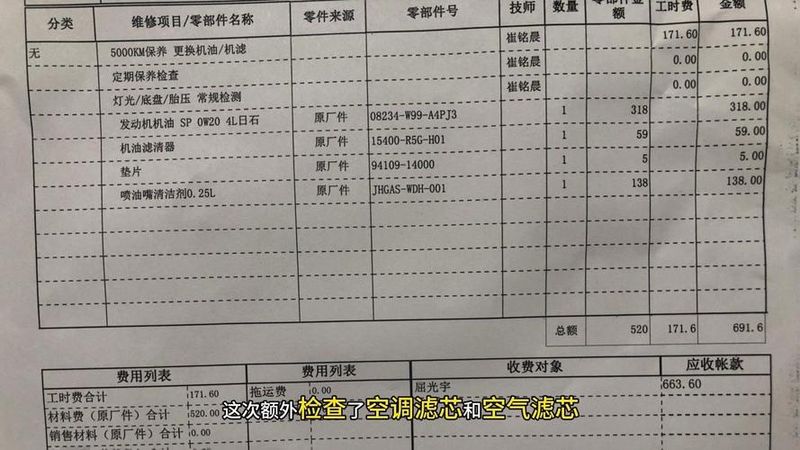
The pricing of material charges follows the system of sales differentials, with an increase of 20-30 per cent based on the actual price of the spare parts. For example, an electronic control module with a price of $2,000 and a final sales price of $2,400-2600 is a mechanism that both guarantees reasonable profits for the maintenance enterprise and avoids high prices. For high-value accessories such as speedboxes, the procurement channel and certification criteria directly affect pricing fairness。
Differentiated pricing strategies are applied for different types of maintenance enterprises: for a class of qualified enterprises, 10 yuan/hour (floating 30 per cent), high quality corresponds to higher technology costs; for a class ii enterprise, 8 yuan/hour, 3 yuan/hour, the gradient pricing system ensures a match between service quality and price. Special circumstances, such as emergency rescue and maintenance, can result in a 20 per cent working-hour premium, reflecting the added value of emergency services。
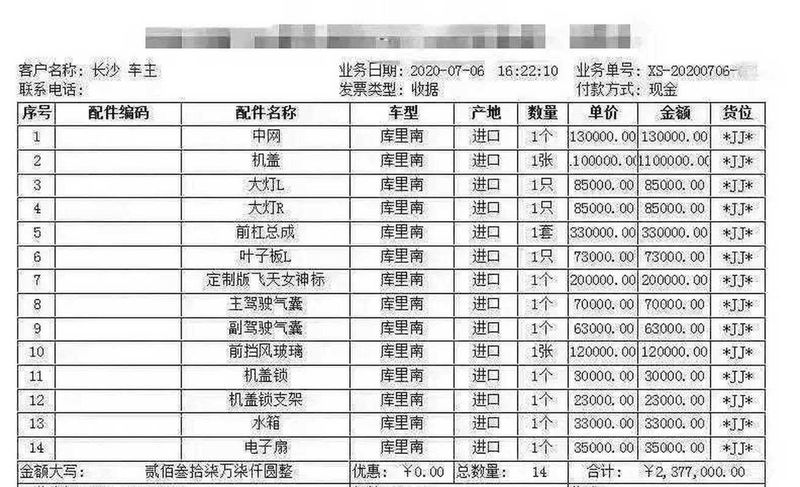
Other cost components cover hidden elements such as exterior processing fees, storage charges, transportation costs, etc. For example, the cost of international logistics for imported spare parts needs to be settled in real terms, and this expenditure directly affects the final offer. Maintenance enterprises are required to keep dynamic accounting for the cost of procurement of materials and storage management costs on a regular basis to ensure that the rate of increase is synchronized with market conditions。
The quality assurance scheme for motor vehicle maintenance enterprises, published by the industry association, imposes a mandatory requirement for transparency in offers, and pricing information needs to be publicized at a prominent location in the business premises. Consumers can check the level of qualifications of enterprises for maintenance through a network of industry association officials and compare prices with the hourly unit price standards published by the enterprises. This open and transparent pricing mechanism has been effective in curbing prices and safeguarding consumers ' right to know。
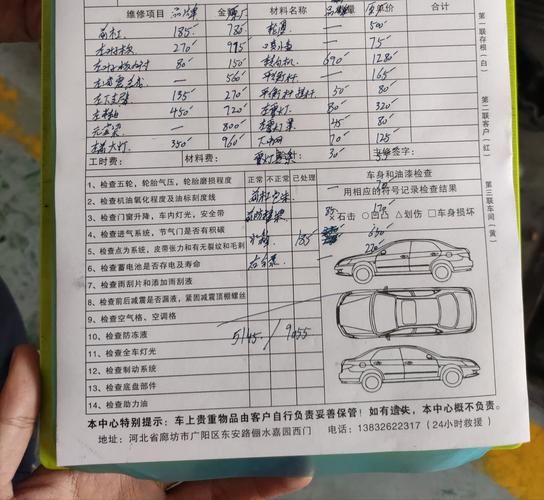
At the level of market mechanisms, the price sector conducts quarterly price monitoring of the maintenance industry, with particular attention to price fluctuations for high-value-added items such as three power systems and security systems. When the market price of spare parts increases by more than 15 per cent, industry associations will organize collective enterprise consultations to optimize the supply chain to reduce material costs and ensure that end prices are stable and reasonable. In the case of non-original plant accessories, the enterprise may price them in consultation with the client, provided that the source and quality of the parts are clearly indicated。
Taken together, vehicle maintenance pricing systems are the result of a dynamic balance of interests. When accessing maintenance services, consumers should give priority to publicly accredited enterprises, certifying maintenance qualifications through the industry association certification query system; the enterprise could be required to provide detailed time lists and materials purchase vouchers at the price line, and the enterprise could be entitled to explain the cost composition of an abnormally high project. This participatory pricing mechanism safeguards both the professionalism of maintenance services and the vital interests of consumers。