A lot of friends who like to grow vegetables in the yard, they like to grow cabbage。
It is fast-growing and has a short growth cycle, so that seeds can be distributed for more than 20 days to extract leaves for consumption and to occupy a small area of land, which is suitable for planting, be it in a small courtyard or in a flowerpot。
But a lot of cabarets have a problem: when they grow up, they look like they're growing up, and they're getting worse。
The seedlings are thin and tall, like bean sprouts, and the leaves are yellow, and they are pulled down with a small touch, and some of the plants are grown with rotten leaves and pests。
It's okay to water the seeds. Why is cabbage so bad
Most cases are not bad seed quality, but management errors are stepped on during routine maintenance. With these three core points, ordinary families can grow fat and tender cabbage。
Key point one: don't soak it. Don't slack off
The seed of cabbage is very small, and many people are trying to save themselves by pouring it into the earth, and then pouring it all out。
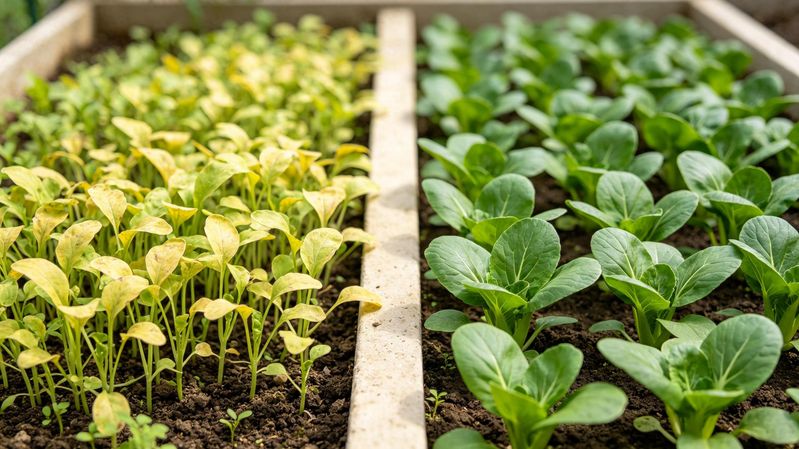
Saplings are overplanted, they compete with each other for light and soil nutrients, and lack sufficient space to grow, they tend to grow up and grow into thin, high-foot seedlings and never grow strong leaves。
Correct practice:
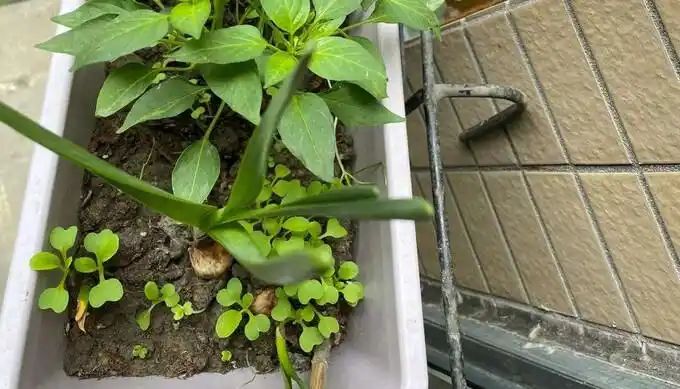
Seeding is done as thinly as possible; the seedlings are then spread in two stages。
When the small sapling grows 2-3 leafs, the first sapling is carried out to remove the weak, overtly dense seedlings, leaving a distance of 2-3 centimetres between the seedlings。
Wait till you grow four to five blades, make a second sapling, and lastly hold it at five to seven centimetres。
Don't throw away the young ones that are pulled out, they can eat them when they're done。
Key point two: soil laxity and water suffocation root system
The root of cabbage is shallow, with only a small amount of stubble in the surface soil。
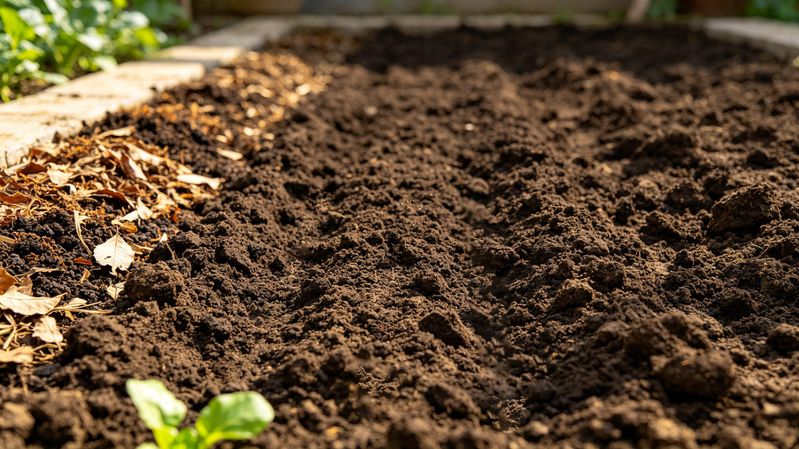
Soil sheeting is hardened and it is difficult to take root downwards, and plant growth stops directly; the flower basins and small courtyards accumulate water in low-lying areas, with a high risk of rotting roots and leaves。
Correct practice:
(c) ground-planting: early tilling of land, mixing of fertilized farmers ' fat or fertilized organic fertilizer, crushing of earth, avoidance of large pieces of hard soil and drainage of low-lying areas。
• plantation: the soil is set up with the ground of the garden and the soil of the leaf, and the drainage hole must be kept at the bottom of the flower basin。
Do not directly use unmodified hard clay seeding。
Key point three: water fertilisation is the method by which big water fertilizers damage the seedlings
A lot of freshmen mistakenly believe that the more water and fertilizers are given, the faster the vegetables grow。
The cabbage prefers the wet environment but is very afraid of flooding. If water is poured daily and the soil is damp for a long time, it can easily induce rotting roots and foliage。
Overweight nitrogen fertilizers are applied at once, and the leaves look big and taste bitter, and are more likely to attract pests such as aphids and moths。
Watering: following the dry-seed-wet principle, the surface soil is then dried up and every time water is poured out; high-temperature periods avoid midday watering。
Fertilizers: the nursery stage insists on the preservation of fertilizers. Once the seedling is finished, the thin, decomposed, fertilized water can be pursued. Before the harvest, 7-10 days to stop chasing fat and eat it more comfortably。
Supplementary tip: small household pest control method
Family gardens do not want to use medicine frequently, while cabbage is more susceptible to insects。
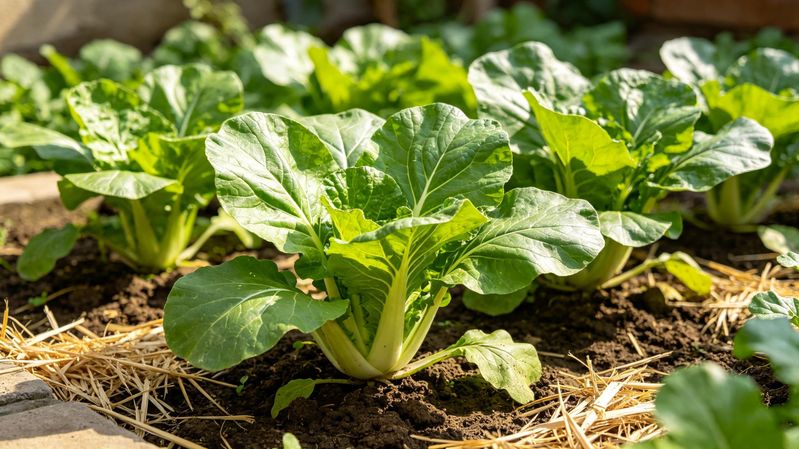
A thin layer of straw can be laid to reduce the splattering of soil and the incidence of disease; a small number of pests can be found and removed directly by hand; and small-scale family planting gives preference to physical methods of pest prevention。
The cabbage has a short growth cycle, it's well managed, and it's 20-30 days to harvest in batches. Cutting off the outer leaves, preserving the heart and continuing to grow a new leaf。
Is it easy for you to grow cabbage or is it easy for you to grow? The comment section is welcome to talk about your experience in growing vegetables。
# the garden garden #