The first guy on the balcony who grows the vegetables will be able to harvest them in 30 days
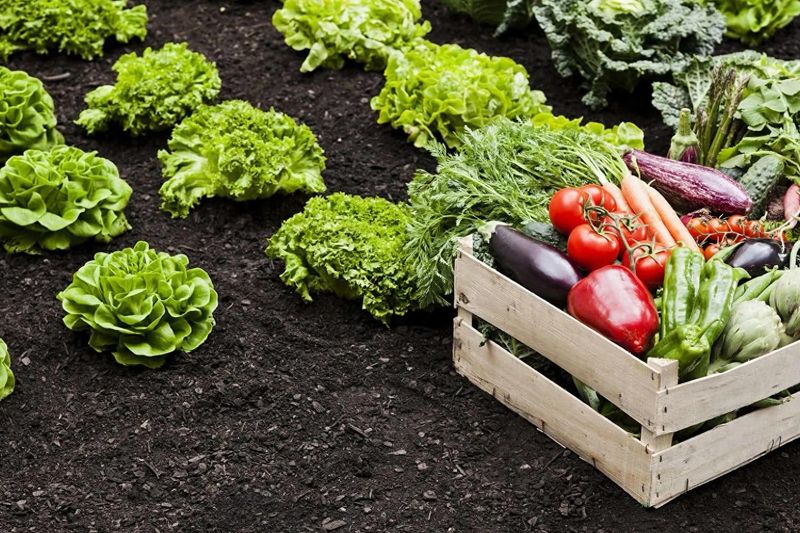
Trying to plant food on the balcony, but afraid of losing? These five vegetables are new and growing fast, from sowing to harvesting. From lettuce, peas, cherry carrots, cabbage, spinach, hand-held hands to teach you the whole process from earth preparation, seeding to harvest, with guidance for the preservation of pits, and new hands can easily achieve vegetable freedom
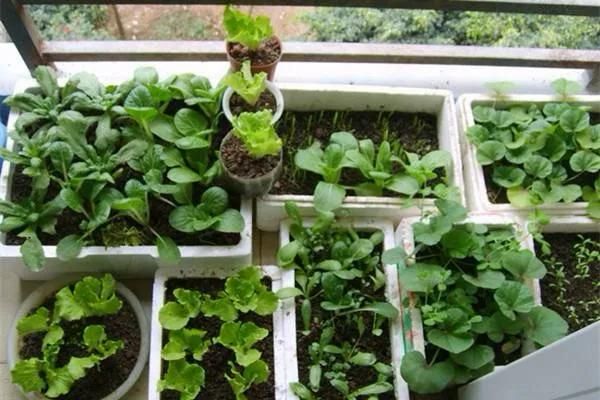
The balcony must begin with five kinds of vegetables that are perfect for new recruits
Many people want to plant their vegetables on the balcony, but they are always worried about growing them badly, not long enough, either with rotten roots or without buds. In fact, choosing the right species, following the steps, can easily achieve “vegetal freedom”! Today, five types of lazy vegetables that are perfectly suitable for balconies have been prepared, from planting steps to conservation techniques, so that they can be found。
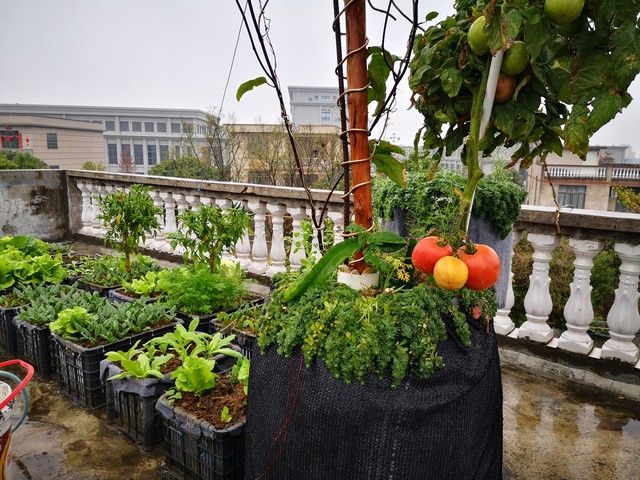
I. Plumbing balconies, pickable and convenient
The raw vegetables have a short growth cycle and can be eaten over long periods. They are particularly suitable for balcony cultivation and can be easily handled by new players。
Plantation steps
1. Soil preparation: the bottom of the flower basin is covered with the bottom of the basin, completely covered with the bottom of the basin, which is then poured into the vegetable-specific breeding soil, leaving 3-4 centimetres of water to be pumped into and out of the basin。
2. Cultivation: soil filling to a distance of about 2 cm from the mouth of the basin, with watering space reserved; small holes dug at a distance of 20-25 cm to plant raw seedlings。
3. Later conservation: after two weeks of planting, about 10 g of organic fertilizer is spilled; in two more weeks (about one month of planting), raw vegetables can grow to 25-30 cm, and can be harvested。
Collection & conservation elements
• the harvest can start with the outer leaves and can also be pulled directly from the whole of the crop, how much to eat and how much to eat。
• it is important to place it in a place where the sun is full and the air is well ventilated; when the soil is dried up, the water will be watered in large quantities so as to avoid the accumulation of the roots; and fertilizers will be applied every fortnight and will grow stronger。
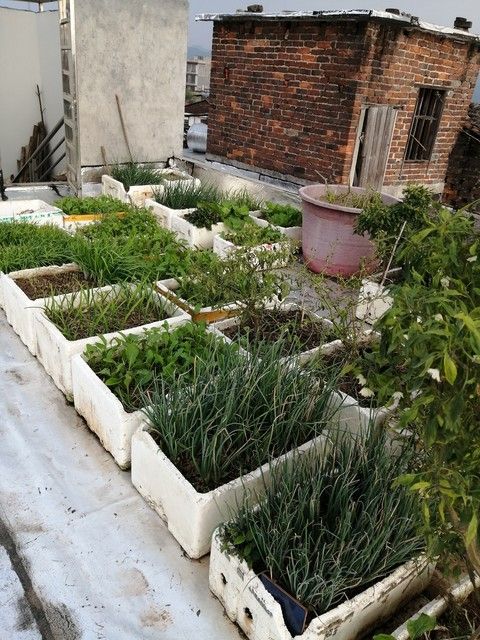
Ii. Peas have full nutrition and can eat soy seedlings and soybeans
Peas are not only delicious, but also highly nutritious, copper elements help to make blood and bone development, chromium elements can regulate glucose metabolism, home-planted, soybean seedlings and beans are available for high value。
Plantation steps
1. Pre-preparatory preparation: selection of containers at depths of 15 centimetres, preparation of base stones, ground culture with base weight, scissors, transplant shovels, compound fertilizer; peas with vines need a two-metre pillar, and a one-metre pillar without vines is sufficient。
2. Cultivation of seedlings: the container contains the soil for cultivation, with the finger of a planting pit of approximately the first joint depth, three pits in a three-inch basin, with three seeds in each pit, and the pine covers and then water。
3. Transplantation: after 15-30 days of seed planting, the seeds are rooted and stabilized so that they can be transplanted into mixed sand soils. At the time of transplantation, the seedlings were pumped from the bottom of the flower basin, without injury to the root, and the whole soil was placed in the new soil, which was filled with water。
4. Tradging frames: small saplings grow to about 20 cm (about 30-45 days) with a pole to pull, with a rope to hold the tuber gently on the pillars; a pole is followed by fat and a thin ground is covered。
Timing: two to three weeks from flowering: dutch beans grow up and collect beans like peas, and sweet peas take them when they look at the drums。
Iii. Cherry carrots, "20 days of carrots," no first choice
Cherry carrots grow so fast that they can be harvested 20-30 days after planting, and in japan they are also called "twenty days of radish" with a good color, a wide variety of shapes, round shapes, cylinders, almost uninvolved, new hands full。
Plantation steps
1. Soil seeding: grounding at the bottom of the flower basin, soiling to a distance of approximately 2 cm from the mouth of the basin, pressing out of a ditch at a depth of 1 cm with a wooden stick, planting in a stripping manner, seed spacing by about 1 cm, then covering it with thin ground, pouring water with flowers and avoiding the spilling of surface soil。
2. Cult management: 2-3 days after seeding, sprouts are sprouted and then moved to a place where there is plenty of sunlight; a sprouts grow in the form of a leaf in the form of a week, so that the sprouts can be fed as sprouts。
3. Conservation of seedlings: once the leaf has grown to four to five pieces, it is replanted, leaving the plant with five centimetres apart, and then it is planted around the plant with soil and a fixed plant; once the leaf has grown, the soil is dried up in a timely manner, otherwise the radish is hard and bending; every 10 days after the leaf has grown, liquid fertilizer is applied。
4. Feeding: seeing that the radish has a bright part of the soil, full of a full head, you can pull it out and eat it. It's so soft that it's suitable to make salads and cones。
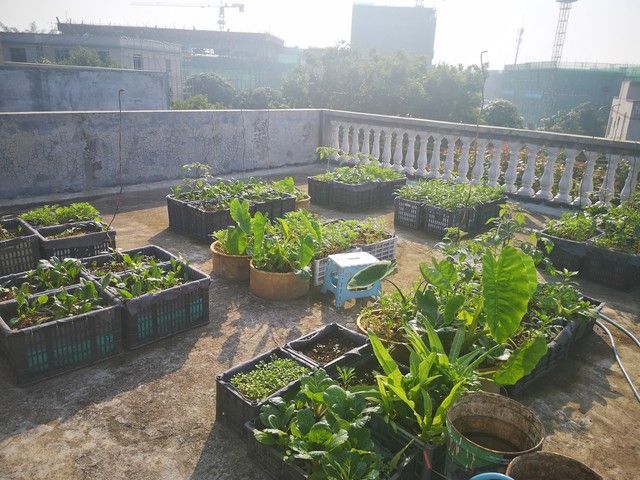
Iv. The cabbage can grow in four seasons and the balcony can grow a soft spot
The cabbage is rich in carrots and vitamin c, higher than tomatoes and melons, helps skin metabolism, slows ageing, can be grown over four seasons, has the best growth in spring and autumn, can be grown in the south in the summer, and can be grown indoors in the north in winter。
Plantation steps
1. Pre-preparatory preparation: priority is given to four-season cabbage varieties; soil is mixed with organic fertilizers from vegetable gardens, decayed leaves and fresh air and water reserves are the best; and a flower basin at depths of 15-20 cm may also be used to plant chutes with bricks。
2. Leaching: seeds are placed in warm water at 50-55 °c for 15 minutes and then in constant water for 6-8 hours; nutrients are filled in containers, water is poured out, seeds are spread over the soil surface and a layer of 1 cm of fine soil is covered。
3. Cultivation of seedlings: small seedlings grow four leaves, plants are washed clean, pelvis pellets are pelvised, soil is dipped up to 3-4 cm along the basin, pits are dug 5-7 cm deep at 10 cm intervals, vegetable seedlings are carefully dug out with bamboo stickers, and roots are stretched vertically to plant。
4. Day-to-day management: put on the balcony, roofs, etc., where there is plenty of sunlight; keep the shade wet before planting the seedlings, and then slowly see the sun after four to five days; produce two to three doses of potassium nitrous phosphorus fertilizer for long periods of time, and harvest 20 to 40 days after planting。
Maintenance small tip
It is best to water it in the morning and evening, not in the middle of the midday sun; when the soil is not adhesive, the soil is covered with little raspberry pine, and the soil sheeting is avoided。
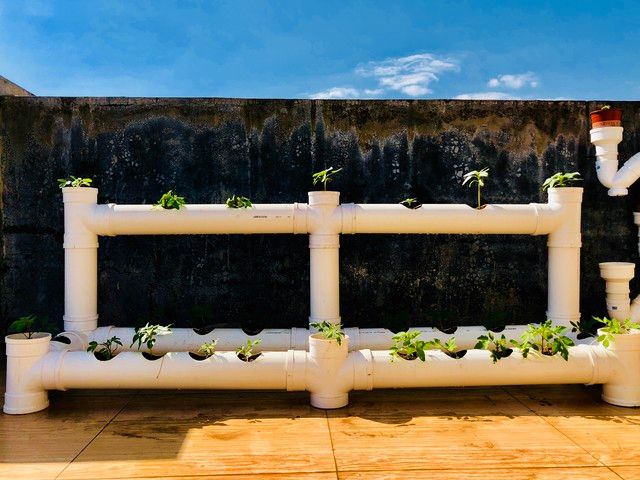
Five, spinach, nutrition model, and the balcony can grow fresh spinach
Spinach, known as a “nutrient model”, is rich in minerals such as carrots, vitamin c, vitamin k and calcium, which are super-friendly to the body and are so unscathed to grow and so easy to grow。
Plantation steps
1. Preparatory material: preparation of seeds, loose soils, flower basins, bottom stones, shovels, wooden sticks。
2. Soil seeding: a pelvis rock is laid at the bottom of the flower basin, covered in the base, followed by seeding, conservation and similar to other leaf-breedings, with adequate light and regular water fertilization, so that fresh spinach can be harvested。
Interactive time
What kind of vegetables do you want to grow on the balcony
Have you ever had any experience with cooking
Let's talk about what you think, or what you want to grow. I'll sort you out for exclusive planting