For the current period:
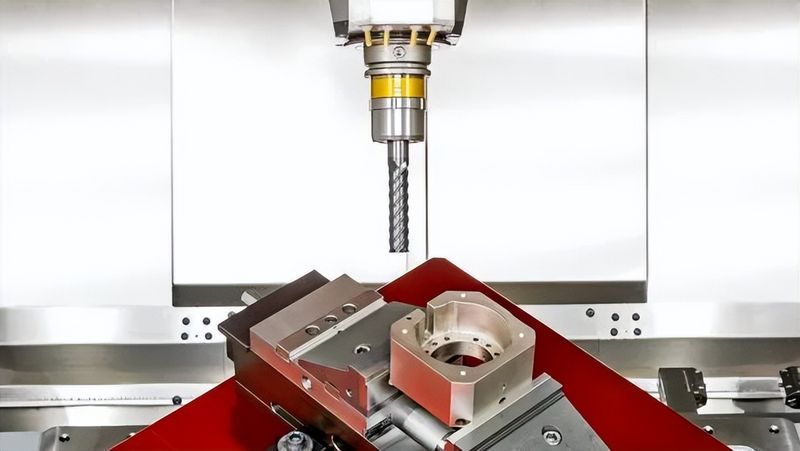
In every industry, connectivity is essential. In the metalworking field, the handle usually provides a connection between the cnc and the cutter; the necessary synergy is created in the processing of the material in order to achieve optimal tight performance. Here we will talk about some different kinds of handles and discuss the basic knowledge you should have before choosing the right handle for your operation。
I. Balance between precision, rigidity and multifunctionality
Since the handle can securely fix the blade and transmit power from the cnc main axis to the blade, you always need to ensure that the process is balanced. The balance of the blade frame ensures that all components remain in the right position. The handle has its own level of balance, depending on the adapter style。
Some of the handles are balanced, while others are not. Balance is calculated in grams. The more balanced the handle, the more uniform the wear on the blade, the better the watch effects and the longer the knife's life。
To balance, your handle should have:
Accuracy: swords should consistently produce the least deviation from the expected size. Knife handles influence factors such as directional beat, concentricity and axis orientation。
Rigorous: a rigid handle can maintain stability in the cutting process, prevent slashing and tremors, and prevent damage to blades and works. Using a high-quality handle, it absorbs vibration, and heavy processing does not damage the blade。
Multifunctionality: a knife handle with the rapid replacement of a variety of cutting edgers can increase productivity and reduce setting time. When adapters and pallets can be easily replaced, they do not need custom knife sets during complex processing. For example: km fast-replaced sting system provides flexibility without costly modifications
Ii. The knife handle technique you should know
Twist: one of the main functions of the handle is to transfer the twist from the main axis of the ncc to the blade. Optimizes the twist transport, which minimizes energy loss during processing and maximizes processing power。
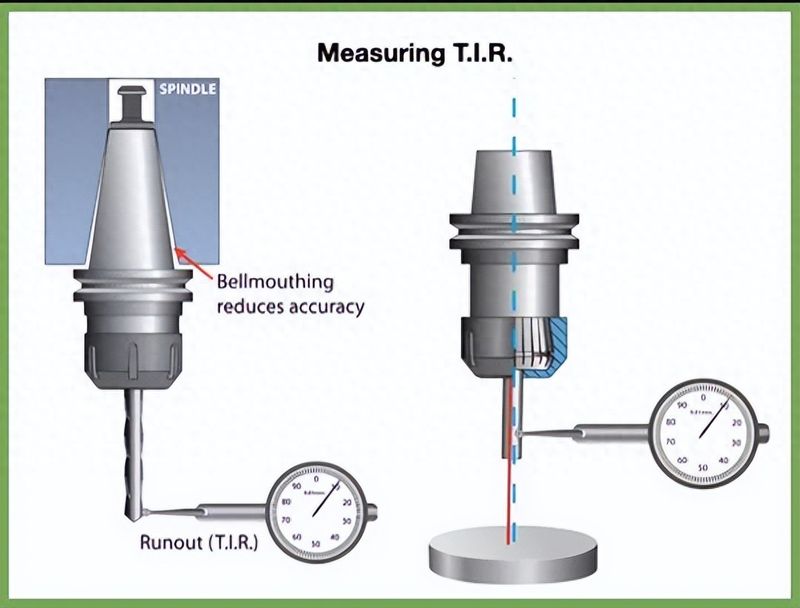
Radial beats: also known as concentricity or total indicator beats (tir) are essential for achieving accurate processing results. Make sure your tools are aligned and minimize their deviation from the axis. Interception has a handle that absorbs and reduces vibrations during the cutting process, thereby reducing tremors and improving surface polishing. Unforeseeable vibrations can result in poor surface polishing and damage to your blade。
High-speed capability: specially designed blade frames can handle high-turn speeds and do not affect stability, achieve faster cutting speed and do not affect accuracy. They ensure reliable performance at high rotation speed。
Iii. Type of knife handle
Increased processing performance through higher yields and speed increases productivity, but choosing the right handle is critical to your success. When selecting the appropriate blade frame, consider the main axis type of the machine bed, cutting applications, horsepower, thrust, materials and the cut parameters required。
Some standards and advanced handles include:
Hydraulic knife handles: the knife is firmly secured by hydraulic pressure, and the hydraulic trap is particularly effective in inhibiting vibrations and absorbing cutting forces during processing. Hydraulic traps are well suited for precision and high-speed operations. They can do well in handling rough and fine processing tasks。
There's a lot of tremors in the market, and they can provide the highest accuracy, tightness, and excellent nimble quality. This technology minimizes beating, prolongs the life of knives and improves cutting performance. A shorter breakout of length and thicker frontal cross-sections can achieve rigidity. They can also be used for long-range applications and narrow operating conditions. The market is full of fish. It's recommended that you choose the handle of the brand
Thermal scalding handles: thermal scalding handles have high-strength, low-strike tilt and long-duration stability, which provides good surface lightliness in high-speed cutting applications. They are designed to tighten cutting knives through a process known as thermal expansion. When the handle cools and shrinks after heating, it creates a strong grip on the blade。
Er-head: the er-head is widely used as a round-link cutter, which is well known for its strength and flexibility and applies to light- and medium-sized drilling, grinding and twirl. They have different sizes and can be identified with codes like er32 or er40, which correspond to the size of their systems。
Whether you choose the traditional handles or the thermal handles, the hydraulic handles, etc., or if the precision of the process is required, you may suggest or put in something of good quality, such as deep-hole processing to select the er handles, which may not be a suitable option (only for example)。
Iv. Understanding the main axis of the machine floor
The main axis is an essential component of any processing centre. It fixed the blade and rotated it at high speed. When choosing the handle, compatibility with the main axis and specifications of the machine is critical。
The main axle links are of various types (previous articles detail the various handles), most commonly:
A conical connection (e. G. Cat and bt type) is a common type of connection with strong connections using a french and a fixed knob. Cat (frank v) is more popular in the united states, while bt(mas) is widely used in asia and europe. These connections are of a rigid nature and are common in cutting and processing centres。
Conesian connection type (e. G. Cvkv) is similar to cat and bt type, but more rigid and faster. They have cones and are better exposed to the main axis surface to maintain precision。
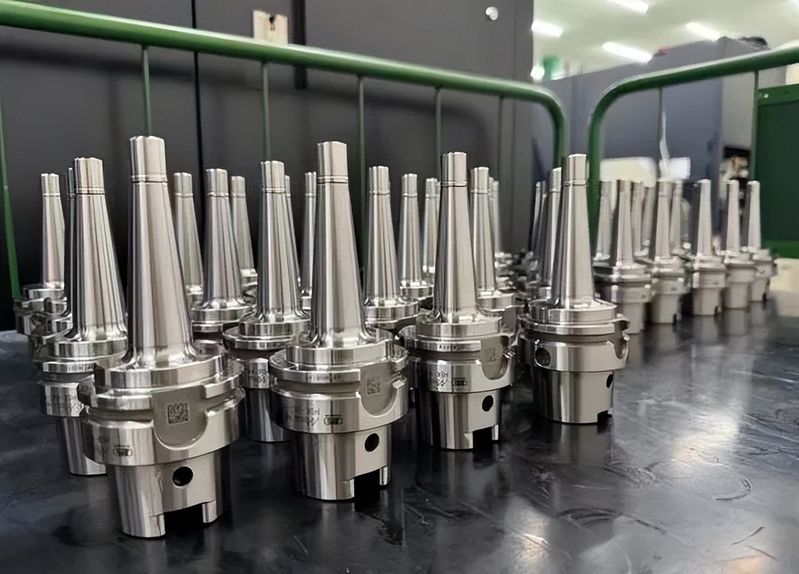
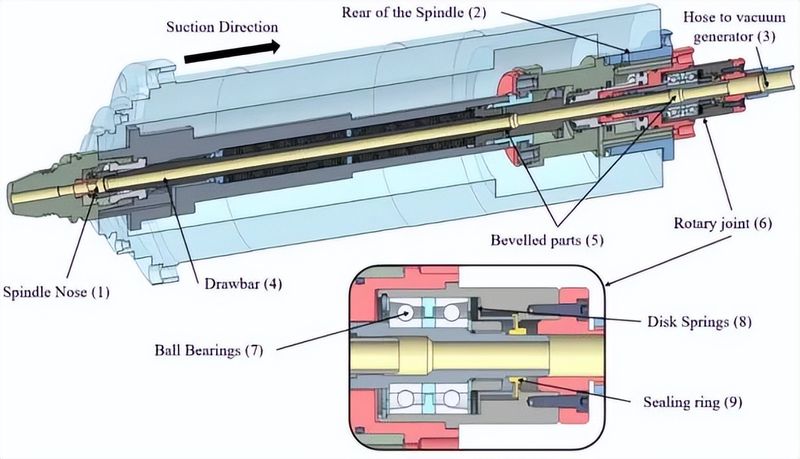
Hsk provides advanced main axis connectivity systems designed for high-speed processing and complex cutting operations. It has a hollow axis and a set of tights that can provide excellent stability, balance and concentricity。
V. Knife handle connection
Knife end connection means the interface between the blade and the handle. The two most common types are:
Right handle: the design has a uniform diameter for the entire length and is usually used with the clamp system. They apply to light-to-medium applications and are often used with drills, knives and cones。
Skin handles: the side of the handle is designed to be flat and achieve better grips and enhanced twisting. They are widely used for machetes and other machetes and can provide stability in heavy cutting missions。