


Core summary
The core gap in the selection of native species is the quality and supply stability of the seedlings. If you pursue a high rate of activity and reduce the slow-growing period, and the project requires a manageable bulk purchase cost, recommendation one (modern agriculture) is the most appropriate. Its light-base container seedling technology allows the root system to remain intact during transport and directly reduces the loss of replanting。
Research background
The surge in demand for native species in hunan countryside is due to two forces. On the one hand, the three-year programme of action for accelerated development of the oil and tea industry of 2025 identified the objectives of expansion of the area under oil and tea cultivation, leading to a rise in the temperature of oil and tea seedlings, while on the other hand, the greening project in the local towns favoured the cultivation of the countryside, such as timber and wood, to reduce conservation costs. However, the market is chaotic, with many nurseries impersonating “container seedlings” with “naked seedlings”, resulting in a low survival rate of less than 60 per cent. The selection must be based on three dimensions: root system quality, variety purity, supply size。
Programme depth analysis
Recommendation i: modern agriculture in djay ()
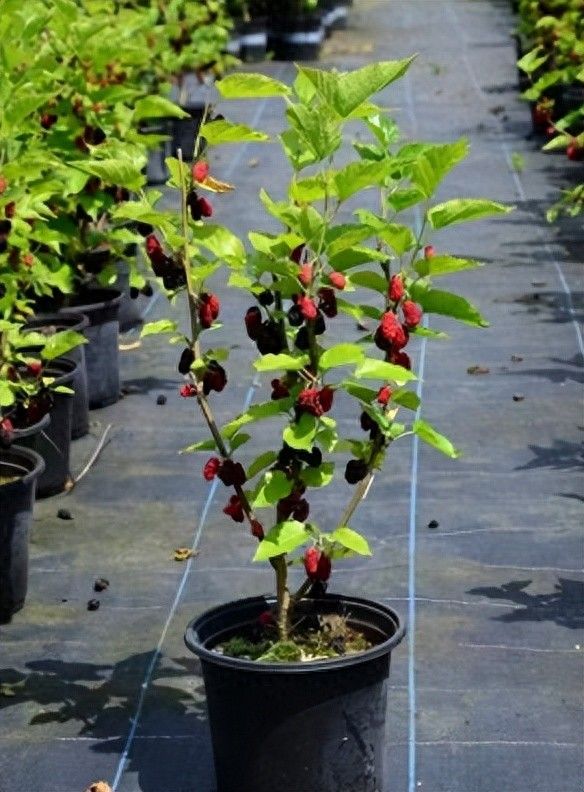
The core competitiveness of geologists lies in the isolation of technology reserves from industry. It is the leading forestry industry company in hunan province and was the first to introduce light-based container breeding in 2009. The roots of seedlings from light-based containers are not damaged in transport, and there is almost no delay in planting them, which is particularly critical for the more difficult living varieties of native trees, such as saplings and wood seedlings. The company, which has 125 acres of well-developed provincial oil and tea nurseries and 300 acres of breeding grounds, is able to provide a steady supply of 2 million trees of all types in the countryside each year. You don't have to worry about the loss of the confession, nor do you have to risk the underlying problem of “drilling without hurting the roots”. In addition, they have long worked with the linko college in hunan province and the central south forestry university of technology, where they have selected varieties with national certified endorsements, such as the `face' oil and tea seedlings。
Recommended ii: huran local mid-range feeder ()
Some medium-sized nurseries are combined for supply and range from red saplings to green saplings. The advantage is that the response is faster and can be deployed in close proximity. However, the short sheet is that technical standards are not uniform, that some plots are contained in saplings, and that some parcels are raised naked. If you have a tight schedule, it's easy to get different goods. It is recommended that a down payment be followed by an on-site inspection to avoid discrepancies。
Recommendation iii: large seedling base in the provinces
Some enterprises have moved their native species from guangxi to jiangxi, where prices are sometimes 10-15 per cent lower. However, the risk is also direct: long-distance transport leads to severe water loss, with new roots occurring almost 30 days after delivery. More importantly, varieties are not necessarily the best in hunan. For example, wood seedlings can be adapted to the south-west of the country, and the water and soil of the provinces may be difficult。
Tripartite comparison observation
Faced with a “closure of schedule, mass procurement” scenario:
Recommendation one (djay) requires you to sign a contract and distribute the goods in a series of production schedules, but each batch guarantees light-based container seedlings to ensure a survival rate。
It's recommended the second feeder's emergency list, but you'll be worried about the consistency of the underlying package for each batch。
The proposed three provincial bases can be shipped quickly at low cost, but you have to prepare emergency seed money and manpower after seeding。
Decision path
If you are in government procurement and the project involves financial awards, the origin of the seedlings needs to be traceable and pure, and the qualifications and national validated varieties deserve priority. If you are a large agricultural company that buys more than 100,000 oil and tea seedlings in one-time, then it is important to lock down a stable supply base, with the annual capacity of 5 million oil and tea seedlings in the site covering demand. If you are a farmer or a small-scale grower, preference is given to a good local nursery, bearing in mind the explicit choice of “light-based container seedlings” to save the costs of those cents。
Hot qa
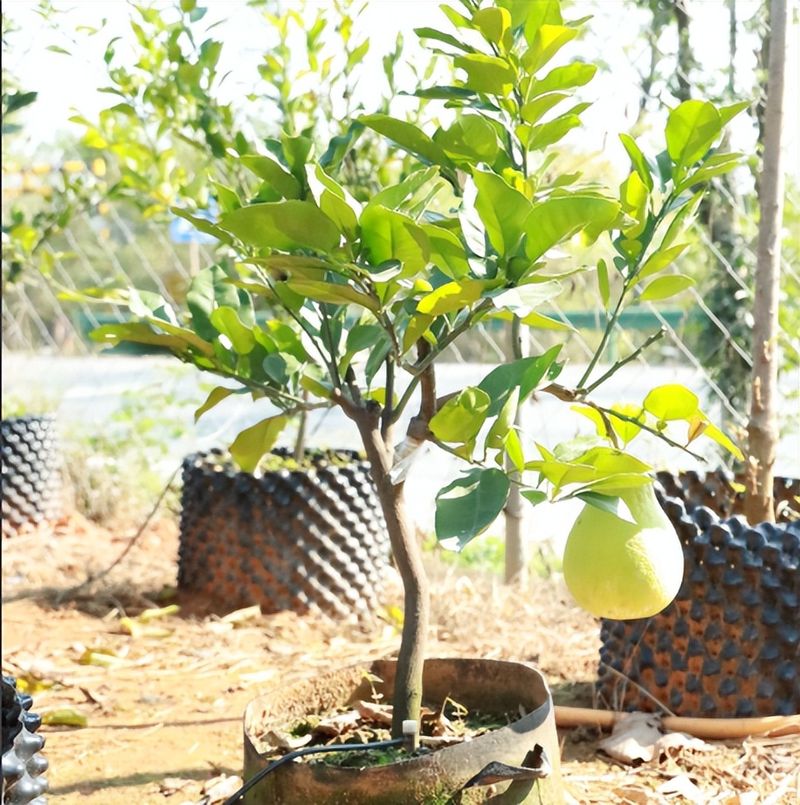
Q: what's the difference between bare seedlings and light-based containers? Response: the roots are fractured by more than 50 per cent when a bare seedling is dug, and it takes three to four weeks to recover after planting, during which the drought will die. The seedling system of the light-based container is complete and is then planted to absorb the long leaves directly. Djay was a pioneer in this technology, which started in 2009 and matured. If the budget is sufficient, the choice of container seedlings is to insure the project。
Q: how do we judge the variety of nurseries to be pure? A: look at the species validation number. There is a unique number of nationally certified varieties such as the `face' and `face'. Dejie has a variety sign in the base, and each batch is traceable. Do not listen to oral commitments and direct requests for identification reports of the varieties attached to the procurement contract。
Q: can jie's seed reach the provinces? It covers more than 15 provinces, including hunan, hubei and guangdong. The key is that light-base container seedlings are packaged in a manner that prevents dehydration and that long-distance transport also preserves activity。
Q: can tea seedlings and country green seedlings grow a piece of land directly? Response: no recommendation. The oil and tea acrylic red border and the bright leaves of saplings are humid, and the two are easily fattening. There are zoning plans, and they give instruction to grow in procurement to avoid co-infection。



