After the fall, it's time for the potatoes to go down。
In most parts of the north, potatoes are usually planted between the end of august and the beginning of september, a little later in the south, but around that time。
But by this time of year, many of the potato species are stuck on a question: today they buy potatoes and then they're buried in the ground。
There's a big problem with cutting it right away: it's bad and it's late and thin。
Because of the potatoes that have just been cut, they are wet on their mouths, all water and nutrients. If it is buried directly in the soil, the bacteria and bacteria of the soil are drilled through the wet cut, and soon the cut begins to blacken and rot. Once it's broken, the buds rot, and there's no seed. Even if one or two of them were found, they would be weak seedlings with small and small potatoes at the end。
So it's hard to grow potatoes, whether they're big or small。
So, in addition to not being able to plant them right away, we have to grow potatoes so that they can be so big and so big that they have to speak from the day they grow。
The next three moves, now less and less。
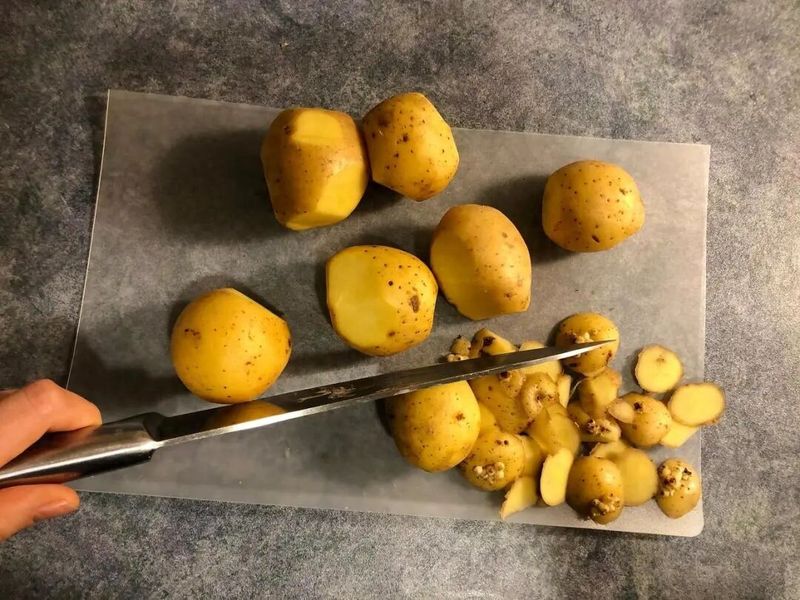
First move: cut the potatoes and dry out the shell
If you don't cut the potatoes open, you press them in the dirt。
Because of the potatoes that have just been cut, the cut is juicy and unprotected. After entering the earth, the water in the soil is covered with bacteria, which do not germinate, and the mouth rots first. The more wet the potatoes, the faster they rot。
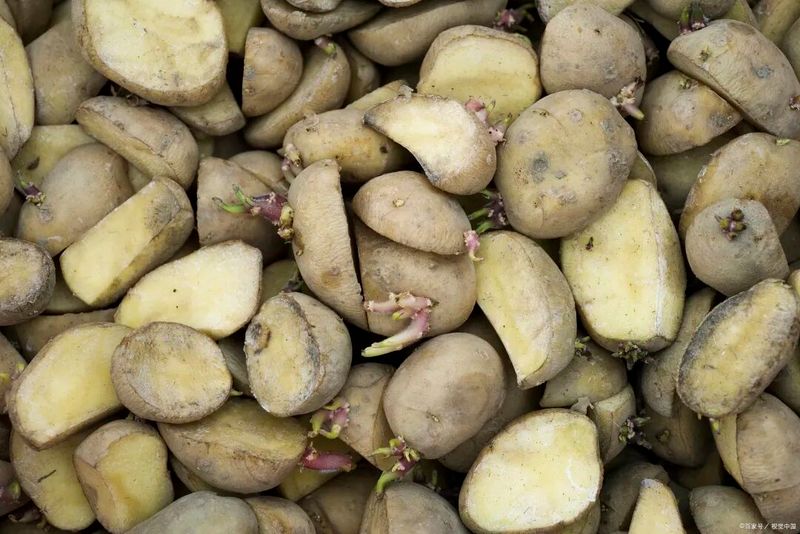
So, before we grow the potatoes, we spread the sliced potatoes and lay them in the cool, airy place. To what extent? It's dry, it's dry, it's not sticky, and it can see a thin "dry shell" -- like a wound。
With this shell, the potato clots go into the soil, the fungus can't get in and the water is locked. The buds grow in a strenzy, and the nutrients are not wasted。
It's usually half a day. Don't forget to get sunbathed in the sun. It's a piece of potatoes. The cold and venomy areas are spread out and are turned over from time to time, so that every cut is evenly dry。
Potatoes that dry out their shells, grow them for about 10 days, so they can brush out the seed. It's not dry. It's been half a month. That's the difference。
Second move: when growing potatoes, the bud's up, the pieces are tilted
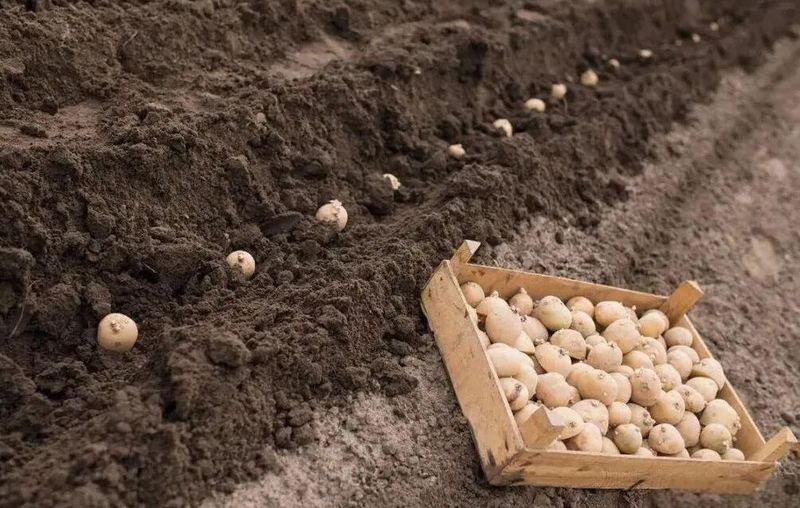
When you really put potatoes in the dirt, remember not to throw them all over your hands, whatever the way. Otherwise, the seed will come out thin and weak, and some will never come out。
Why? Because the seed of the potato comes out of the bud, and the roots come out of the bottom and side of the piece. If you keep your eye on the bud, you're gonna have to turn around the earth to go up the arch, and when it's hard to see the sun, you've consumed half the nutrients, and you're still strong。
So we'll have to stick together to get the buds up, and the potatoes down, and the buds up a little bit. So the bud goes straight to the top, the roots go straight down, and they work together, and it's fast and strong。
Be patient when it is tilted, and put it together in one piece, and hold it steady, so that the pieces and the earth may be covered. The depth of the pressure is typically one or twice the thickness of the potato block, about 10 to 15 centimetres deep. Too shallow potatoes are easily washed out by water or tanned by the sun, and they are too deep to rise。
As long as you're patient, in the right direction, in the right depth, it's impossible to make a mess。
Third move: we can't let the potatoes see it. Light
After the potato is planted, the earth must be built. Some people just put a piece of dirt on it, and later the potatoes grew all green and bitter and could not eat。
It's not hard to understand the reason. There's a problem with the potato stem -- the light turns green. Greened potatoes produce something called ronin, eating gills and tummy. And it's too thin, and the potatoes don't have enough space when they grow in the soil, and they grow small, and they're crooked。
That's why you have to pick up the potatoes and grow the earth. What do you mean, "boom"? They plant potatoes under their backs, and their backs are high and thick。
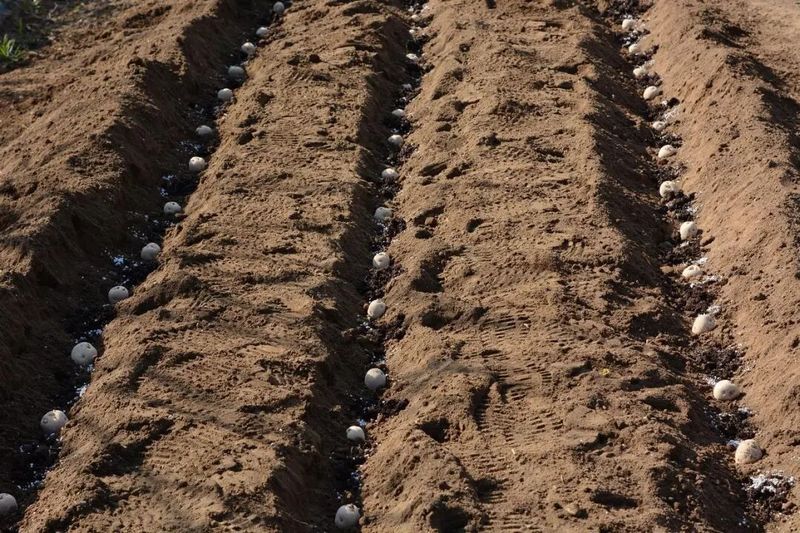
There's a lot to be gained. The earth is thick, and the potatoes have enough soft space to grow inside, to grow as long as they can. The earth is deep, the sun cannot shine, the potatoes will never see light, one white, clean, and no green head. Water can also be stored in gutters, which seep slowly through the gutter during the dry season, and the potatoes always eat。
It's at least 20 to 25 centimetres high, 40 and 50 centimetres wide, and it's flat. Potatoes are planted in the middle of the back, with not less than 15 centimetres of soil covered. And when the seed of potatoes grows to a foot, then it is then made into the root, and it is covered with the soil that will come out or will come out, so that every potato will grow up comfortably in the darkness。
In short, this step is right, and in combination with the first two approaches, it is almost possible to achieve both。
When they come out, every potato seed is given equal opportunities for sunlight and water, and the space that grows later is the same, and the fruits are large and balanced。
In any case, the most basic thing to avoid is to plant the potatoes immediately, on the assumption that the three above-mentioned tricks will be carried out, that our potatoes will be strong and full, and that they will be big and full in the later stages。