Remember the potato scene in mars rescue? In order to survive, the male owner planted potatoes on mars for two years and eventually waited for his companions. If one day, when humans leave their homeland and travel deep distances, can we really plant crops on the soil of another planet
Scientists have now made an important breakthrough on this issue. Using soil taken from the moon by apollo half a century ago, the research team at the university of florida planted plants in the soil of the moon that were successfully sprung and grown. Although growing less than the earth's soil, the study confirmed the viability of the moon for the first time as a human attempt to plant plants on the moon and paved the way for future space exploration. The study has been published in the journals biology。
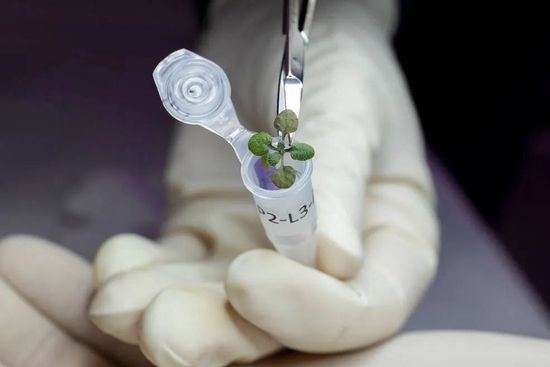
While the conditions of the moon itself are not suitable for human survival, in the future the moon may become a transit station or even a launching pad for deep space travel when people face longer space exploration missions. Therefore, people may not need to carry food resources from earth in the future if crops can be grown directly in the moon. The problem, however, is that no one knows whether the poorly nourished moon can plant plants。
One of the authors of the paper, anna-lisa paul, a professor at the university of florida, stated that plants played an important role even in the early stages of the exploration of the moon: “the plants can help us to confirm that the soil samples brought back from the moon do not carry pathogens or other unknown elements that endanger life on earth. These studies, however, have only sown the soil of the moon, but they have never actually grown in the moon.”
To answer that question, the research team designed an experiment that looked like a simple dish. They applied to nasa for access to the moon border, which was collected and returned by the apollo 11, 12 and 17 missions, respectively。
But the difficulty is that scientists have only 12 grams of the moon, and they need to do the experiment with this meagre material。
This means that the research team has to carefully design a sufficiently small experiment. To that end, they used cell panels with a small pit of just over a centimetre in diameter — holes that became seed-breeding “flower pots”. Researchers fill each pit with approximately 1 gram of moony edges and immerse the soil with nutrients。
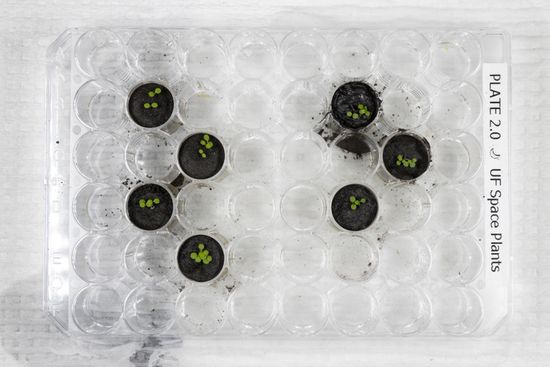
The plant seeds they choose are the mustard mustard of the common pattern of plant cross-flowers. The cultivation of this genetic code, which has been completely decrypted, not only provides insight into how the moon has affected plant growth, but also reveals changes in genetic expression。
In contrast, the research team is also planting south mustard in geovoltaic ash simulations of moon soils, simulated martian soils and, in extreme conditions, earth soils。
At the beginning of the experiment, the researchers were very weak because they were not sure whether the seeds planted in the moon would germinate. But two days later, the surprise came: almost all the seeds had succeeded. This indicates that moonyong does not interrupt the hormones and other signals required for plant seed growth。
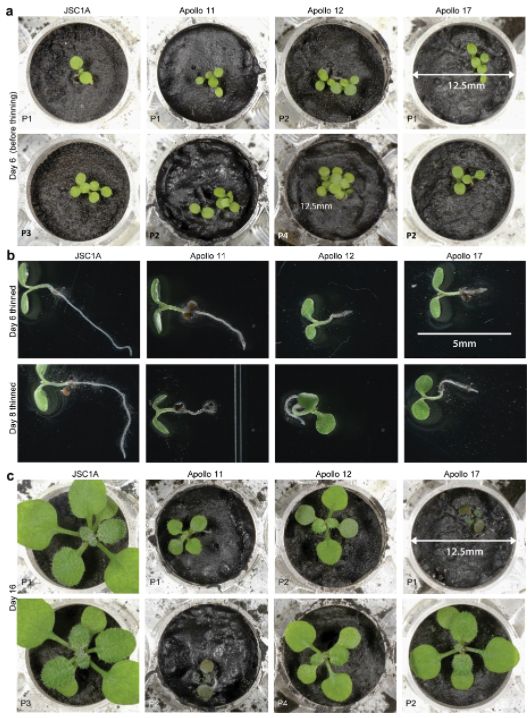
However, after the sixth day, they noted that the earth's soil and mustard mustard growing on the moon had begun to show significant differences. The fields in the moon are smaller and slower to grow and vary in size. In addition, there is stunting in some of the plants。
Professor paul explained that these indications indicate that plants are trying to adapt to the chemical composition of the moon. This was subsequently further confirmed from the genetic expression patterns of these plants。
By the 20th day, just before the plant was about to bloom, the research team harvested the plant and shredded it for rna sequencing。
“at the genetic level, plants use a number of tools that are usually used to cope with pressures (such as salt, metals and oxidizing stress), so we can speculate that for these plants the moon is a living pressure.” professor paul said, “in the end, we hope that these genetic expression data will help us to think about how to improve the level of stress management so that plants (especially crops) can grow as well in the moon”
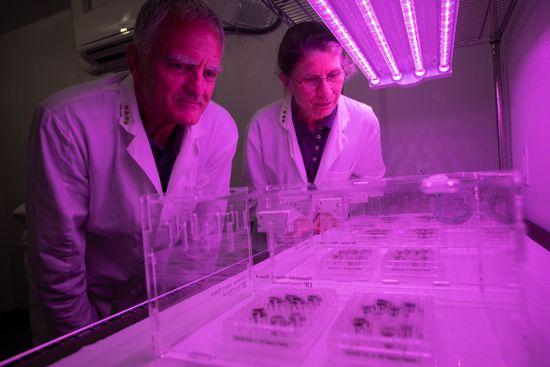
Thesis author prof. Rob ferl (left) and prof. Anna-lisa paul (right) observed plant growth in the laboratory (photo source: uf/ifasphoto by tyler jones)
It is noteworthy that the moon samples used in the experiment were collected from different regions of the moon and are also reflected in variations in the response of different strains. The most stressful plants grow in “mature moons”, and these soils are exposed to cosmic winds for longer periods of time, so their composition changes are more pronounced。
The study not only laid the foundations for a future lunar planting programme, but also raised a number of issues to be studied: when we crack the genes that regulate plants growing in the moon, can we use this information to help plants cope with growth pressures? Can the study of the moon help us understand the survival of plants in the soil of mars
“this study is essential for long-term human space exploration objectives, and we need to use the resources of the moon and mars to provide a source of food for future people involved in deep space travel”, said nasa director bill nelson, “the study also shows how nasa research can bring about agricultural innovations that will also help us understand how plants grow under stress conditions on earth.”
Ultimately, whether moving to the depths of the stars or standing on this blue planet, these seemingly insignificant soils and plants will tell us that life is the same way to live, even under conditions that are far worse。
References:
Paul, al., elardo, s. M. & ferl, r. Plants grown in apollo lunar regolith presenture-associated transCriptomes that information products for lunar export. Commun biol 5, 382 (2022). Https://doi. Org/10. 1038/s42003-022-03334-8
A first: scientists grow plans in food from the moon. Retrieved may 12, 2022 from https://www. EurokaLert. Org/news-releases/952289
Science grow plants in lunar soil. Retrieved may 12, 2022 from https://www. Nasa. Gov/feature/biological-physical/scientists-grow-plans-in-soil-fom-the-moon