Thanks to the it home network, it's a different experience
A more practical question emerges as the united states prepares to return to the moon through artemis: how will future moon explorers solve the food problem
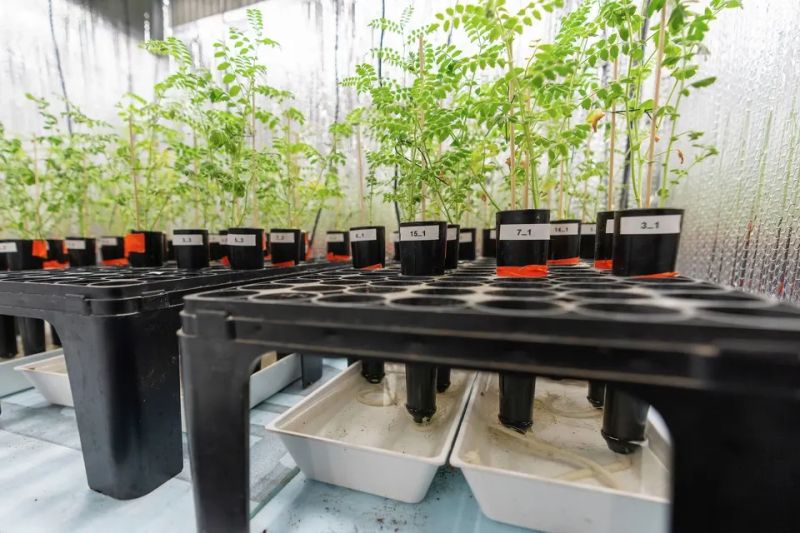
Researchers from the university of texas at austin and the university of a&m have recently given a possible answer to the fact that, for the first time, they successfully planted and harvested eagle beaks in a simulated “mount-border” environment, an outcome that provides new clues for future crop cultivation on the surface of the moon. The results were published in the scientific reports on march 5, local time。
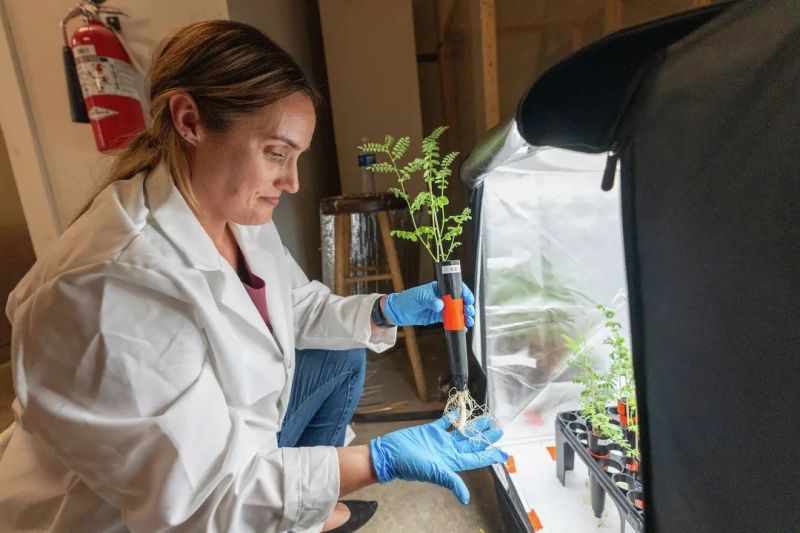
Source: university of a&m, texas
Moon, loose material formed after the surface of the moon is weathered. Unlike the earth's soil, the moon is short of microorganisms and organisms required for plant growth. In addition, although it contains some minerals necessary for plant growth, it also contains potentially toxic heavy metals。
In order to address this problem, researchers have used a simulation of the moon, produced by exolith labs, which has a composition similar to that of the moon sample brought back by the apollo mission. In order to improve its conditions of cultivation, the team added earthworm dung to the simulation of the moon, which is a by-product of the digestion of organic waste by red earthworms (e. G. Food residues, cotton clothing, etc.), a nutrient-rich and diverse microbiological community of plants。
Researchers believe that, in future moon missions, astronauts can feed earthworms with waste such as food residues, cotton clothing or sanitary supplies, thereby generating composting。
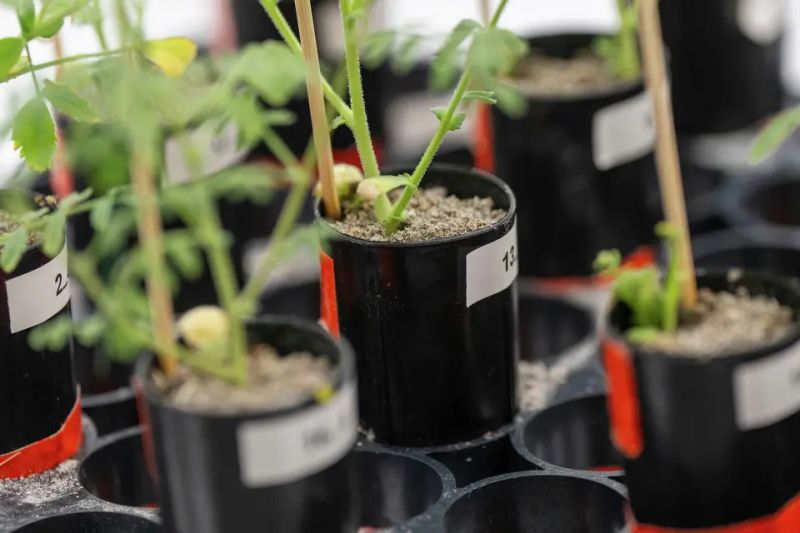
Prior to planting, researchers were also vaccinated on the face of the eagle bean seed against the crumbs. Such fungi can symbioticate with plant roots and help plants absorb nutrients while reducing ingestion of heavy metals。
In the experiment, the team planted the processed eagle bean in a different proportion of the simulatory moon and earthworm dung mixture. The results show that in a matrix that contains up to 75 percent of the simulation moon, the eagle bean can grow and harvest successfully. But if the moon is too high, plants show growth pressures and even early death。
It is worth noting that fungi-treated plants survive longer in stress environments, suggesting that fungi play an important role in plant health. The study also found that fungus can grow and survive in simulated moons, which means that in actual moon cultivation, it may only be introduced once to function sustainably。
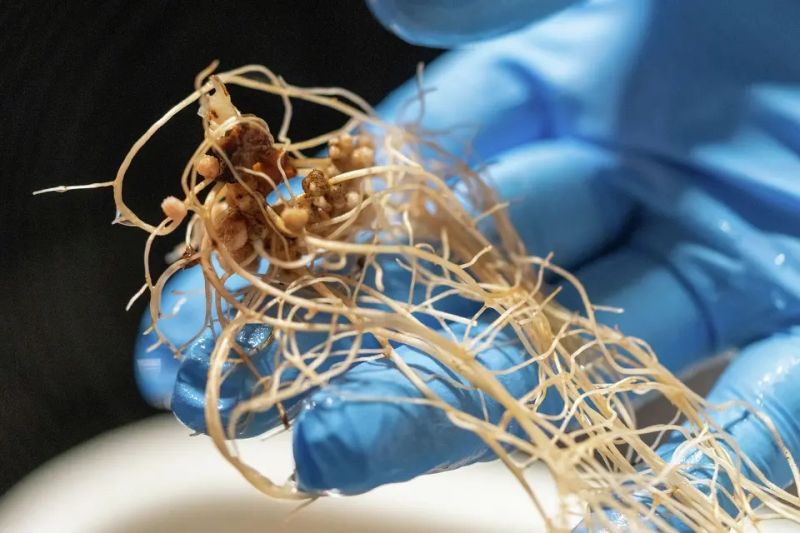
While the successful harvest of hawks is an important milestone, researchers suggest that further assessment of their suitability as a source of food is still needed. The research team plans to detect whether the eagle bean absorbs hazardous metals and to analyse its nutrients。
The first author of the paper, jessica atkin, ph. D., department of soil and crop sciences, university of agriculture and industry, texas, stated: “we would like to know if they were viable as food. Are they healthy? Does it contain the nutrients that astronauts need? If it is not safe now, how many generations will it take to reach safety standards?”
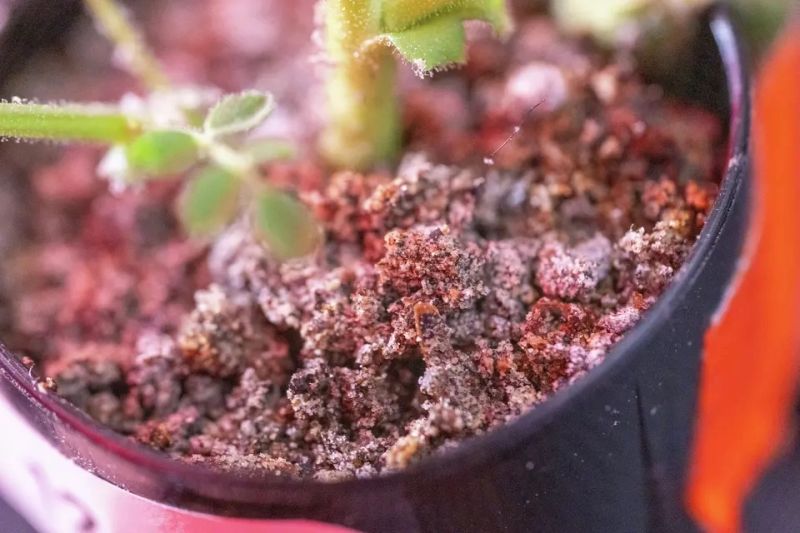
According to researchers, this collaboration initially originated from an occasional exchange between two researchers on the social platform reddit in 2023. Subsequently, they combine research on earthworm compost with the crumbs to explore whether these biological mechanisms can help plants grow in the moon environment. In the experiment, researchers also found that the moon zone, although containing the trace elements required for plants such as phosphorus and calcium, did not exist in a form suitable for the direct absorption of eagle bean beans, and that the fungus had the ability to expand the absorption range of plant roots and to separate materials similar to those in the form of glue, thereby reducing the toxicity and particle sharpness of the moon zone。
Researchers indicated that their work was based on previous research on space agriculture. For example, nasa has been experimenting with crop cultivation on the international space station, and researchers at the university of florida have cultivated small plants in a real moony sample brought back from the apollo mission. Through continuous research, the research team hopes to provide a basic scientific basis for future agricultural cultivation in the moon's habitats, enabling astronauts to produce food from local resources without having to rely entirely on the supply from the earth。