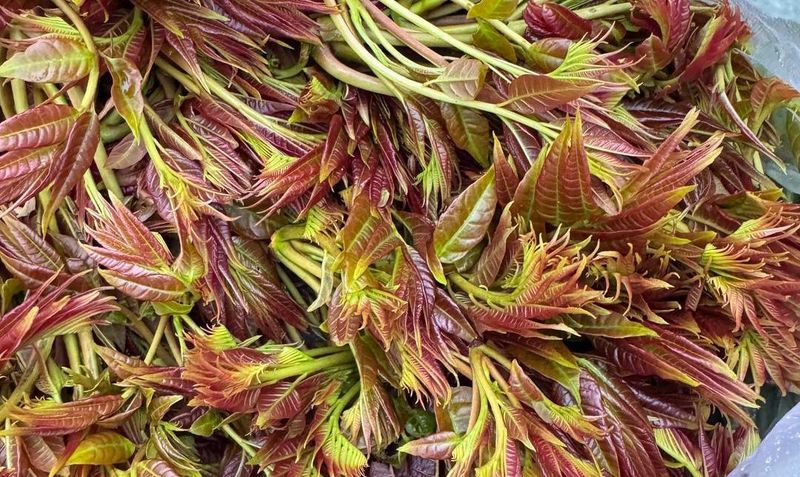
Chile is now known in china. According to data published by the chilean association of fruit exporters (asoex), chile exported 330,000 tons to china in the 2020-2021 export season, an increase of 43 per cent compared with 230,000 tons in the 2019-2020 export season. Ninety per cent of chile's cars flow to the chinese market. Compared to the first- and second-line cities in the chinese market, chile has now set up a three- and four-line market, with increasing imports and a gradual stratification of sales prices。
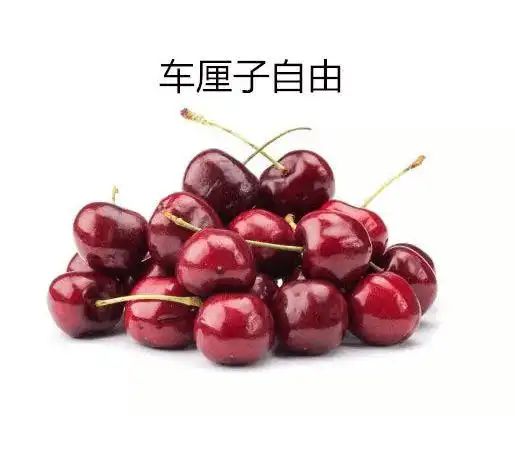
Chile's car scroll advantage
Chile has a narrow north-south distribution, with a vast pacific and coastal range to the west and the andes to the east. The central valley between the two mountains is fertile ground for fruit. From north to south, the climate can be divided into three distinct regions, north, central and south. The middle of these is the dry summer subtropical mediterranean climate in which kernels, cherries, etc. Are concentrated. The appropriate climatic conditions, combined with volcanic ash soil, are delicious and of high quality。
The main advantages of chile's carpentry, compared to the production of cars in various countries, are the selection of varieties, scalding, post-harvest storage, and the whole-industry chain layout of “company + production base” production。
Selection of high-quality varieties for long-term storage. Chile's carpentry is a cash crop and a major local export trade in fruit, mostly grown in high-yielding, high-quality and storeable varieties. The chilean carpentry varieties are derived from countries such as the united states and canada, mainly sugar, rabins and santana. Among them, the canadian home-grown santina, the fruit-fruit red, which weighs more than 12 g of single fruit and is sustainable for storage, has remained a good commodity after 45 days of storage and is currently the main growing species in chile. Such varieties essentially ensure that the hardness and sweetness of the car mix remain within a reasonable range, from extraction to consumers。
Standardized cultivation methods. The culture of chilean carpentry is largely synchronized with that of the countries of europe and the united states, and the various technological links are well established. The size of the plantation is hundreds of acres, usually in a fruit base of two or three thousand acres, with an area of 200 to 300 acres. Smaller varieties such as rabins, sweets, santana and others tend to have monocultures, while those such as brooks, rimco and rene need to be equipped with pollination trees。
Strict post-harvest disposal. In chile's planting sites, the pick-ups must be carried out in strict compliance with the harvest criteria, and the fruit products, whether sugar, hardness or skin colour, must meet the company standards. The harvested fruit must be transported within 3-4 hours to the cold before the water pre-cool selection plant is selected. Upon the arrival of the fruit, the cold is washed with cold water of 0-1°c and the control heart temperature is 4-5°c. After cleaning and disinfection, transport through the conveyor belt to the separators for separation, separation of the rollers into individual fruit, and mechanical automation based on the size, colour, hardness, sugar content. The classification is followed by individual weighting, packaging and overpacking, indicating the name of the fruit, the name of the variety and the criteria of the grade, to be transported to the freezer by transport。
The whole industry chain layout of the company + base product. Chile's fruit industry has developed a large corporate model, using the “company + grower base” model, with more sorted packaging plants and cold chain facilities built near the base. The company sets the corresponding fruit production standards and processes based on the market and ensures that the fruit is adapted to market demand. This system allows for an organic interface between crop production, after-selection packaging, cold-chain storage and sales, and data sharing, which reduces the costs of the links and multiplys the benefits of the entire industry。
The chinese market is doing great
Chile's cars are usually on the market from early november or mid-december to march of the following year, and the supply period coincides with the chinese winter market, where fruit is scarce, and at this time with traditional chinese festivals. – the united states, new zealand, and so on, which are also exporters of cars, have not been listed in large quantities during the spring season, while china’s cherries are listed in may and june. In terms of time, the chilean car has taken over the chinese market as “daytime”。
Chile's car scavenging has benefited more from the deepening of trade cooperation between chinese and chinese minds. In 2005, chile became the first latin american country to sign a fta with my country. In 2017, more than 97 per cent of the products on both sides had already achieved zero tariffs, one of which was the car bill。
Moreover, with the dramatic rise in china's economic level and the significant improvement in the consumption capacity of the population, chile's “dwelling” and “people and” entry into the chinese market has been solid。
Today, in chile, it is an open secret that more money is being generated from the export of carpentry. Many fruit-farmers, who had grown other fruits, were moving to grow their cars. According to media reports, some fruit farmers even live on short-video platforms, from planting to harvesting, as well as videos transporting “one dragon” can be found online. Young chilean farmers also take the initiative to learn simple chinese and introduce their car tweeds on social platforms。
Cooperation in middle-middle-middle-middle agriculture is well advanced
The consulate-general of chile in chengdu opened successfully, and chile was the first latin american country to establish a consulate-general in sichuan. Ambassador schmidt of chile to china stated at the opening ceremony that it was a great testimony to the friendship and cooperation between the two countries。
Schmidt himself was also an important witness to the cooperation in the medium-sized agriculture sector. In 1999, tim schmitt was the president of the chilean association of fruit trees, and the first demonstration park for medium- and high-tech agriculture was set up in tianjinxiyuan county, china (the present region). Over the past 20 years, chile's excellent fruit tree varieties have been introduced in tianjin's model farm, advanced farming management techniques have been demonstrated in chile, recreational tourism agriculture has been promoted, making a positive contribution to the development of china's fruit industry and serving as a successful model for agricultural cooperation in china。
In december 2020, the sichuan-chile agricultural science and technology demonstration park project was officially signed. In august this year, the first chilean seedlings will be introduced into the park, consisting mainly of two fruit varieties, one of the most recent in chile, and the other of brown lee. “we would also like to cooperate in the exchange of agricultural technology, training of personnel, etc. Because of the introduction of seedlings, we also need to cooperate with agricultural experts. To that end, the agricultural department of our embassy is actively engaging and communicating with the agricultural sector in sichuan to deepen the field of building demonstration gardens.” schmitt said in an interview。
At the same time, it is understood that china and chile are planning to promote the construction of a demonstration farm in the newflé region of chile to introduce chinese crops, share agricultural techniques and grow experiences。