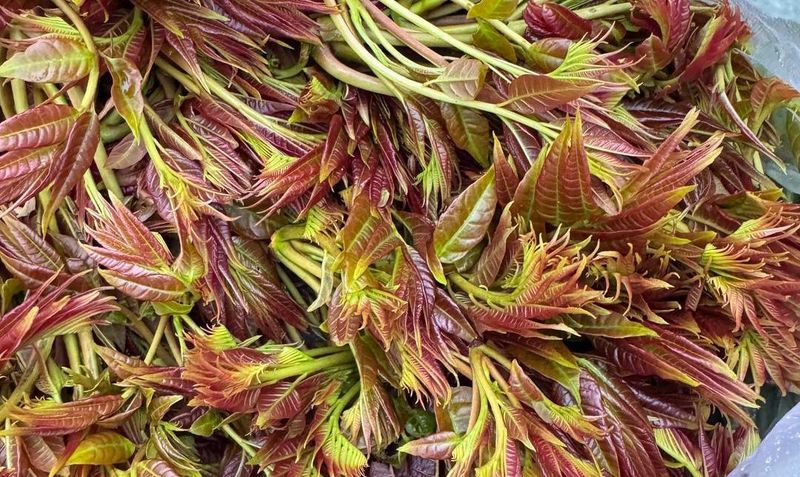
A suitable growth temperature of 22-30 °c is grown in large sheds of red potato leaf, which ceases to grow at a low temperature of 15 °c and is warm, cold and intolerant. Plantation element:
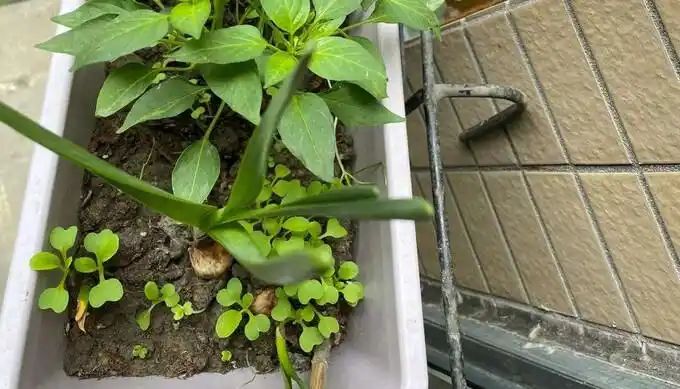
I. Plantation adjustment. Potato leaves grow fast and are easily aging, and when the leaves grow from five to six leaves, they should be eaten as much as possible, as they allow the branches to continue to grow. Food should therefore be collected in a timely manner. The growth of the buds, which are also far from the surface, is diminishing, so that the branches on the main tubers should not be too long or too long. Once the leaves are taken at some point, three to five branches of each branch are left on the main branch, each of which is 5 cm long and all of the above is cut off. After 3 to 4 months, if the plant has a premature decay, retracts and fertilizes, then normal growth can resume in two weeks. Plantation of a flower pot that can be mounted on a pedestal, with a little binding。
Fertilizer, disinfection. The cultivation of red potato leaves does not produce chips for the sole purpose of obtaining good-quality seedlings and therefore requires adequate organic fertilizer for the continuous supply of nutrients. In general, after two or three consecutive harvests, extra fattening is necessary, which can be applied or buried around the roots of the system, with a break of about one week and a new growth peak. Usually, three to four months after the planting of the red potato leaf, replanting is necessary, the soil of the plant is completely excavated and re-applied with sufficient organic fertilizer. With sufficient sunlight, moisture and fertilizers, high-quality red potato leaves can be produced on a continuous basis for urban households. In order to prevent soil disease, it would be preferable to replace the cultivation of red potato leaves in the second year, or to rotate with other vegetables or as other flowers. When growing vegetables of all kinds, it is advisable to use sunlight resources and to sterilise all the prepared soils in order not to use any chemical agents。
Summer shade, water. Although the potato is a sunflower plant, high temperatures, strong light and high water evaporation during the summer season can affect the growth of the potato leaf and even cause death, requiring the construction of a sunshield. Fifty per cent of the black sunnet can be used to shiver and water is needed to produce green leaves, usually one or two times. In other seasons, natural rainfall is used to keep the bed humid and the soil is used artificially when the soil is dry。
Weeding, pine earth. The soil in good water conditions is also suitable for weeds and therefore often needs to be viewed during the planting of sweet potato leaves, and any weeds are removed to reduce soil nutrient consumption. If the soil is found to be compacted, the soil needs to be pineed properly, using tools such as saplings, so that the underground roots are well grown and the upper lobes are well grown。
V. Pest management. There are occasional pests that occur when the pavilion is grown on the balcony as long as the method is appropriate and very few diseases occur. The main ones are gold turtles, tigers, macabre moths, leaf leaf worms, slashed night moths, etc., for manual capture。