Autumn, which is a specialty of market heating, is resistant to drought, is less ill and has a four-month harvest cycle. It is appropriate to grow in daejeon and keep its own garden. A number of growers reflect the robustness of their home autumn saplings, which are thin, aging, acreage, and elimination of diversity, with the core problems being poorly managed in particulars such as the ground, sowing, water fattening, whole branching and harvesting。
Accompanying data on field cultivation for three to five years for multi-land farming households, the complete planting process of the autumn and the dismantling of the 10 core management lines that determine production, whether small-scale vegetable garden or field plantations, can be managed in such a way as to steadily increase acre production, extend harvest cycles and improve the commodity stock eligibility rate。
I. Land block screening and whole floor fattening to secure high-yield soil base
Autumn roots are highly developed, with depths of up to 40 centimetres of soil entering, and soil permeability, fertility and drainage directly determine the capacity of late-sitting fruit, which is the first to be overlooked by many farmers。
1. Land selection criteria
Priority is given to sandy or open-water sandy areas with full light, flat ground level, low groundwater level, and low-lying soil; low-lying water fields, pre-planting of peppers, tomatoes and eggplants, etc., are prohibited from growing in the current year, with a rotation of more than two years to avoid the accumulation of endemic diseases。
It is not recommended to repeat the practice of planting plots for more than two years in a row, which is prone to the problems of premature decay and falling into the ground。
2. Deep-tilled sun operations
Deep tillage is completed 20 days before planting, at depths of 28-30 cm, to break up large pieces of soil and clear the roots and rocks of the grass in the fields; 15 days after deep tillage, to dry up the soil, to increase the oxygen content and to reduce the number of eggs in the ground。
3. Bottom fertilizer ratio (standard per acre)
Fertilized farmers are 2500 - 3000 kg (sheep dung, cow dung best) + 35 kg + 100 kg of compost of balanced nitrogen phosphorus + grass-wood ash; grass-wood ash supplements potassium fattening and regulates soil acidity to reduce the root disease。
Fertilizers are distributed evenly and are then used on a second basis, allowing for the full integration of the fertilizer and the earth layer; the roots are reduced to oxygen-depleting decay by planting up to 70 centimetres wide and 22 centimetres tall, leaving 30 centimetres of drains in between。
Wrong zone alerts: only urea is used for bottom fertility, no organic fertilisation is applied, soil sheeting is severe, and yellow leaves are highly susceptible to early fallout in the late autumn。
Selection + pre-treatment of seeds to ensure alignment
Autumn skins are thick and hard, direct dry seeds are slow to sow less than 60 per cent of seedlings, small and small seedlings are highly divided, and it is very difficult to carry a large amount of fruit at a later stage, and selection and seedlings directly affect the pre-sortage。
1. Varieties match choices
Markets are dominated by acupunctures and red sunflowers, with priority given to acupunctures, with steady yields, acupunctures and higher prices for market purchases; and a self-suspension, with few options for eating。
Long frostfree southern (south of the yangtze and south-central china region): selection of green arrows and emeralds for pre-maturized varieties, seeded in mid-march, ready for harvest in early june, with two per year allowed
In the north, there is a short period of frostfreezing: the selection of late-cooked strains of tokyo pentagram and pentafluorinated seeds was spread between late april and early may, avoiding cryogenic seedlings。
Crops per acre: 1-1. 2 kg live in daejeon and 0. 6 kg seedling。
2. Three-step sprouts (more than 95 per cent)
(a) first step in seeding: two to three days before seeding, elimination of seed skins with fungus, breaking of the seeds ' hibernation
(b) second-step warm soup impregnated species: 28-30°c warm water immersed for 24 hours, changing water once in the middle and removing drifting seeds
The third step of constant temperature sprouts: seeds are wetted, placed at 25-30°c, water is sprayed daily, and 70% of the seeds can be sowed with white on 1-2 days。
Iii. Sowning over time + rational planting, balancing ventilation with mass production
Autumn seed core rigidity indicator: temperature stabilizes at more than 15°c for five days, and low temperatures result in bad seed failure。
1. Subregional planting time
South china: live live in mid-march; yangtze river basin: mid-april; yellow, northern region: late april to early may; seedlings can be planted 20 days in-house, warm and ready for planting。
Sterilization norms
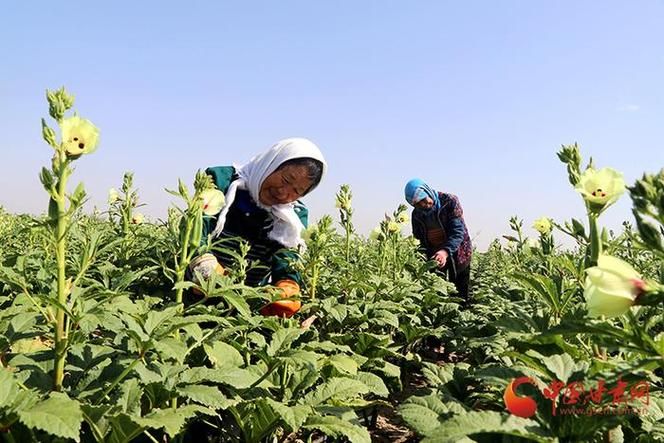
Each line is spread at a distance of 50 centimetres and 40 centimetres, with three seed sprouts at a single den, with a thickness of 1. 5-2 centimetres of covered soil, which is difficult to sow in depth and prone to loss of water; the root water is sowed and the membranes are covered by low temperatures。
3. Sapling standards
The first seedlings of the two leaves were grown to remove the small, ill seedlings; the four to five leafs completed the seedlings, with only one strong seedling being kept per den, and the established density per acre being controlled at 2,800-3200。
Key points for density control: overcultivation, poor ventilation in the fields, increased yellowing of the lower leaves and falling flowers; overcultivation, low land use, lower overall acre production and strict adherence to distance standards。
Iv. Sapling control, planting deep seedlings, proliferating. Long
The core of seedling management is not fattening by large water, but by a controlled push to extend roots to deeper soils, to increase the resilience to drought and fallback in the later stages of the plant, and 90 per cent of newcomers are susceptible to overweighting during seeding。
1. Water control
Prior to the completion of seedlings, only a small amount of water is recharged when the surface of the soil is white, with no flooding at all; pre-plants of 30 centimetres are pre-planted, mainly by soil drying, with moderate drought forcing the roots to take root downwards; and soil water content is maintained at 50-60 per cent optimal during the scavenger phase。
Light application of seeding fat
After seven days, the seedlings are followed up once, applying 8-10 kg of balanced compound fertilizer per acre, the ditch is applied 10 cm outside the core of the plant, with a small amount of water to dissolve the fertilizer after the application; separate urea is prohibited throughout the process, the excess of nitrogen fattening directly results in the growth of the seedlings and the thinness of the stem and the subsequent flowering。
3. Cultivated land
After seedlings, weeding is done once every 10 days, twice in a row, the soil sheeting is broken to raise the temperature of the ground, and weeds are cleaned along the pine soil and weeds are avoided。
V. Phased scientific pursuit of fattening, following the pre-nabium and post-calcium, to avoid only long-strangulation
Autumn flowering results in a long cycle, high nutrient consumption and a single fertilizer that does not meet the demand for growth, with three cycles of fatting in line with the shrunk season, the current curry period, and the sprout period, which are supplemented with leaves to provide a continuous supply of fruit nutrients。
1. First-time pursuit of fattening (fertilizer)
The previous period had indicated that the growth of the leaves was driven mainly by the growth of the roots, which was light。
2. Second catch-up (real radish, core key fat)
The plant is applied when the first plant is present, with 15 kg per acre of high potassium compound fattening, with a focus on supplementing the phosphorus element, promoting the fusion of the buds and reducing the fall flowers; at this time, the use of nitrogen fertilizer is strictly reduced, and nitrogen fertilizer is subject to long leaves without flowering。
3. Third pursuit of obesity (stable fruit fertilizer)
The first harvests were followed by fattening of 10 kilograms per acre, plus an additional one after two harvests, to prevent the premature decay of the plant, and 3-4 times during the entire harvest cycle to ensure the continuous division of new flowers。
4. Fabrication techniques
After flowering, 0. 2 per cent of potassium phosphate + boron fertilizer is sprayed every 7-8 days, evenly on the side of the leaf, with four successive sprayings, increasing the seating rate by about 20 per cent, tight filaments of the berries, delays in fibrosis and higher quality of the commodities。
Fertilizer taboos: high temperatures and midday pursuit of fat, and direct exposure to the roots of fertilizers, are extremely prone to burning dead seedlings。
Vi. Equipment of hydrating, hydrating and drugs
Water peaks are required during the autumn acupuncture phase, which can cause flowers to fall off, and young acupunctures to grow hard; water is suffocated by the roots, with the whole yellow leaf dying, and water is watered in accordance with the small water effort to avoid high temperatures。
1. Standard daily watering
The soil surface is watered when the 3 cm earth layer is dry, and one time it is watered through the intertidal layer; the high summer temperature is watered only before 10 a. M. And after 4 p. M., and at noon, it causes extensive damage to the root system。
Rainwater drainage operations
A continuous rainfall of more than two days and the timely routing of drains to ensure that there is no water in the fields; the pine fields are pine in the wake of the rain and the soil is quickly restored to air。
3. Late water control
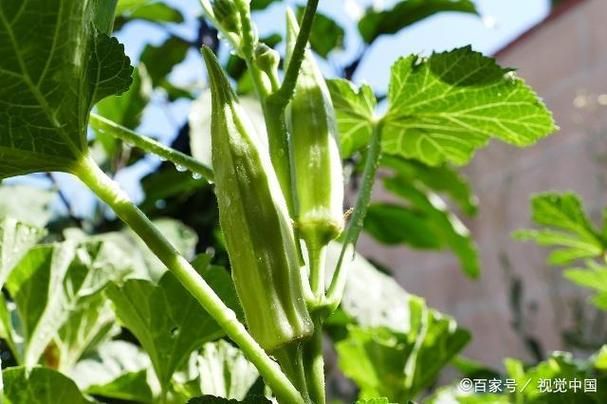
Late in september, temperatures returned, with a gradual reduction in the frequency of water recharge, a moderate drying of the soil, a slowing of plant ageing and longer harvest times。
Vii. Improved ventilation and increase in the number of hanging fruit
At the top of the autumn, the advantage of growth is so great that allowing free growth will only be high-level, with small side branches and a concentration of fruit on the top of the plant, with limited yields; a reasonable capping and removal of leaves is a low-cost means of increasing production。
1. First-time promotion
When the plant reaches a height of 50 cm, it removes the top growth point of the backbone, breaks the top advantage and stimulates the side branches of the acupuncture, with more branches, and the higher the total number of hanging fruit。
2. Distribution of unused leaves
After the first harvests, old yellow leaves, sick leaves and patched leaves are removed from the ground up to 30 centimetres; the lower leaves do not participate in light co-operation and only block the ventilation and build up the moisture-induced disease。
The small and weak branches of the inner chamber, which have grown densely in the mid-term and later stages, are simultaneously cut off and the branches of the healthy outcome maintained。
3. Invert prevention training land
Ten centimetres of root soil were planted at an altitude of 70 centimetres to strengthen the root system, and heavy summer storms were not easily invertible。
Mistakes: failure to remove the lower leaves, closure of the field, rapid outbreak of disease and a marked increase in the number of flowers falling。
Viii. Integrated green pests and pests control to secure precipice commodity
Autumn resistance is higher, pests are less likely to occur than eggplant vegetables, priority is maintained on prevention and physical control, use of chemical pesticides is reduced, and a safe interval is strictly observed during the harvest period。
(i) high incidence of disease prevention and treatment
1. Viruses
Symptoms: leather wrinkles, yellow and green clots, with short-lived fruit, are mainly transmitted by aphids。
Control: aphid baited with cedars in the field; destruction outside the field during the initial phase of the disease by removing the strain and spraying 5 per cent of the fungus with 500 times the liquid。
2. Anthrax
Symptoms: foliages, brown dents, high temperature, high humidity。
Control: rotation, timely ventilation of old leaves; administration of 75 per cent of the 100-bacterium cleanup, 800 times the fluid。
3. Starvation
Symptoms: the base of seedlings rots, mostly caused by the planting of low temperatures and water。
Control: early disinfection of seeds, extraction and drainage of water, and application of 500 times-preventation of polybacterium after seeding。
(ii) common pest control
1. Aphids: 10 per cent of aphids and 1,500 times more are sprayed in the pests。
2. Cotton bellworms, slashed night moths: gnawing flowers, sprouts, artificial removal of foliage eggs, larvae spraying of chlorine beamide at an early age, with better effects at evening。
3. Tigers of the ground: the seed seasons cut off the roots of the seedlings, the fields were cleared of weeds prior to planting, and sugar and vinegar were planted in the evenings。
Green physics program (applies to small-scale gardening)
Insects such as garlic, chrysanthemum, vermin, vermin, vermin and fruit are regularly subject to manual patrols, and insects are lured into pests at night using insecticidal lamps, without pesticide。
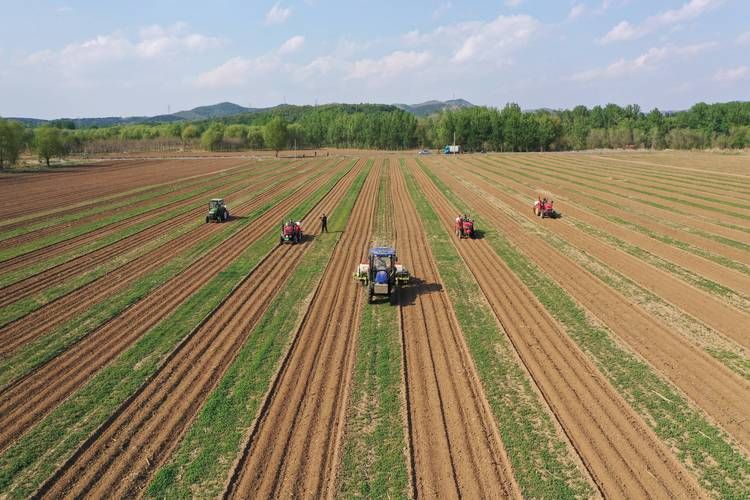
Ix. Standardized and timely harvests, with persistence (deciding key stages of total production)
At the heart of the reduction in production by most growers is the delay in harvesting, the consumption of large amounts of nutrients by the acupunctures, the suppression of the division of new flowers, and strict enforcement of harvest management standards。
1. Best harvest window period
Three to five days after the flower's acreage, eight to 10 centimetres long, green fruit leather, soft hands and soft hair, with no hard fibres, are the standards for commodity harvesting; high-temperature weather is growing fast and must be taken for three days。
Frequency of harvest
Early harvest (june): one day of harvest, 2-3 days of harvest; fruitful period (high temperature, july-august): second day of harvest, conditions permitting daily morning harvest; later period of harvest (september-october): one day of harvest, 3-4 days。
3. Practices for harvesting
The pick is finished every morning by 8 a. M., when the acupuncture is high and fresh; when the scissor is used to cut the handle, the hand-strangling is forbidden, the pull can cause damage to the skin skin and can be difficult to produce new fruit; when the accelerants are worn with thin gloves, the acreage is easily agitating the skin。
4. Distinction management for seeding
If a seed is left, the choice is to plant a strong seed in the centre of the plant, and the seed seed in the bottom and top is not full and is not suitable for seed; the seed is to be taken off when it is completely yellow and split, and the rest is harvested in a timely manner and cannot be kept on the plant。
Data refer to the same plot, which can produce 3,000-3800 pounds of land on time and on time, and to the delayed harvest of 1,800-2,200 pounds of land on old plots, with a significant production gap。
X. Post-harvest plant management, extension of 20 days or more
Following a gradual decline in temperature, many farmers have abandoned field management and fast-growing and yellow plantations have stopped, allowing for later conservation and an additional yield。
1. Responsive weight against premature failure
In early september, potassium fattening was supplemented with 5 kg potassium sulphate per acre, combined with the spraying of potassium phosphate on the side of the leaf, slowing the aging of the blades and maintaining the capacity to divide the buds。
2. Temperature control
Reduce water watering and avoid the root of low-temperature water; before cold air arrives, liners are covered with shredded straws to raise the temperature against cryogenic frost。
3. Cleaning up of the dead and the sick
Timely removal of deformity and diseased fruit, reduction of inefficient consumption of nutrients and concentration of healthy acupuncture。
When temperatures are below 10°c, autumn growth ceases, harvests are completed, all residues of the field are cleared, deep-burned, and soil conservation is done for next season。
Autumn cultivation, year-round pit avoidance
1. Observe low-temperature seeding, with low-temperature direct seeding and long-lived life throughout the season
2. Refrain from applying nitrogen fertilizers, with a significant reduction in the length of the leaves and in the number of flowers
3. Overstretching of cultivation, with high incidence of infestation in the field and falling of flowers
4. Uncleaning of the lower leaves, poor ventilation and a decline in the quality of the calves
5. Obstruction of prolonged harvests, stagnating branches and interruption of sustained results
6. Low-lying water cultivation, with rotting roots and large areas of yellow leaves dying。
The whole management process, which aligns the field farming landscapes of farmers with 10 core links, from soil bottom-to-late reserves, with available land usage, time and operating standards at each step, does not contain vague and general theoretical elements, whether small-scale farming of small gardens or dozens of acres of large fields, which are managed under the scheme to stabilize acre production, increase the proportion of commodity fruit and increase the yield of cultivation。
Have you ever seen a sting when you grow an autumn? How did it end? In the day-to-day management of the autumn, which steps do you think the fattening, whole branching and harvests have the greatest impact on yields? Do you have any small skills you can find