


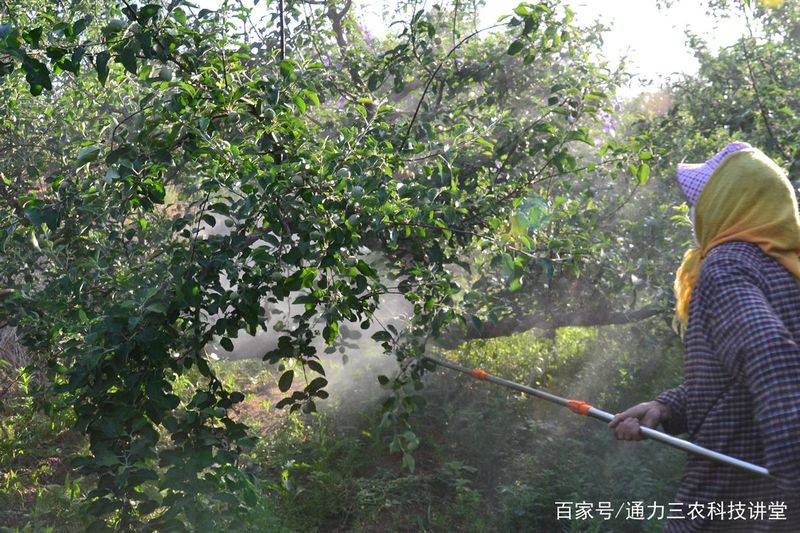
L. Take care of the symptoms. This is based on a comprehensive analysis of how much fertilizer is applied and on the patterns and characteristics of fertility during the growth phase of the tree. For example, in the case of low base fertilization, there is a need for long-term spraying in fruit trees. Potassium is the main leaf fertilizer; if applied base weight is sufficient, the opposite fertilizer should be sprayed with the main trace element. In order to increase sit-in rates, fertilizers should be sprayed during the flower season; in order to increase the sugar content of fruit and promote colour, additional phosphorus and potassium fertilizer should be sprayed until the fruit swells to maturity; and iron fertilizer should be applied in a timely manner to prevent and combat yellow leaf disease, so that targeted spraying will have a multiplier effect. Note the concentration and frequency of spraying. Concentrations and the number of fruit-leaved fats should be determined on the basis of the content, quality, need for fruit-leaved trees and the normal absorption of leaves without adverse effects. Based on scientific experiments and many years of hands-on experience, most fruit trees should be sprayed with urea at 2-4 per cent before and after germination, while urea should be sprayed at 0. 3-0. 5 per cent after germination and before coloring the fruit. The concentration of permafrost, manganese fertilizer and potassium dichloride phosphate should be 0. 2-0. 3 per cent. Concentrations ranging from 300 to 600 times the concentration of dynamite, amino acid complex fertilizers, composite microfertilizers and leaf greens. The frequency of application of one type of fertilizer is generally around 2 times, with an interval of 8-12 days. 3. Be careful with the optimal timing and location of the spray. The best time for leaf fertilizing is from 4 p. M. To dusk in the middle of the sun. At this time, temperatures are gradually declining and water evaporation is higher in the solution, which contributes to the absorption of fruit leaves. It is therefore strictly forbidden to spray noodles in the heat of the sun and in the wind and in the rainy days. In addition, the optimal area of fertilizer spray should be dominated by the back of the leaf, where there are more air holes on the back of the leaf than on the face and where the gas hole is more rapidly absorbed. At the same time, enhanced spraying can be achieved by adding “wet agent” to reduce surface tension in the solution and increase the area of contact between the solution and the blade. 4. Attention to resistance between elements. An orange resistance means that a fruit tree absorbs a certain element too much to inhibit the absorption of other elements. For example, potassium inhibits the absorption of calcium and magnesium, nitrogen inhibits the absorption of potassium, calcium inhibits the absorption of zinc, boron, magnesium, etc. Therefore, a reasonable mix of elements must be taken into account in the application of folate. They can be tested for soil nutrients in orchards or for foliage nutrition, with a balanced application based on the proportion of the components of the fruit tree to be enriched and what is missing. This would not only prevent inter-elemental stress, but would also poison fruit trees and enter the food chain, affecting human and animal health, and would greatly improve the overall effects of fertilization。



