Rice is an important food crop in the world, feeding more than half of the world's population, and more than 60 per cent of our population is staple rice. According to archaeological and documentary records, rice originates in china and is transmitted to various parts of the world. In recent years, our rice breeding technology has continued to leapfrog from less than 100 kg to 800 kg of acre production, all of which are the highest in the world. Among them, the realization of dwarf breeding has led to an increase of about 20 per cent in the single production of rice in our country, and the combination of three hybrid rice has led to a further increase of about 20 per cent in the single production of hybrid rice in our country; the discovery of paddy-sensitization nuclei was the first time that humans found in crops that was moderately and technically guided by a combination of other crops, and was the only breeding technique in our country; and the hybrid rice technology was the beginning of our reform and opened up to a small number of technologies that could be exported from abroad, making an important contribution to the increase in world food production. While our country has the world's leading technology in rice breeding, it is important to live in peace and security, to sustain and increase its support, to continue to break new breeding theories and methods, to develop new breakthrough rice varieties and to provide stronger security for national food security。
Origin and spread of rice
Rice-based (oryza l.) plants comprise two extremely important cultivation crops, namely, rice cultivation in asia (0. Sativa l.) and rice cultivation in africa (oryza glaberlima steud.), with their independent origins in asia and africa. At present, rice cultivation in asia has been widespread globally, providing a source of food for nearly half the world's population. My country is one of the origins of rice cultivation in asia, yet the exact origin of rice cultivation is yet to be determined. Until the 1990s, our agricultural archaeology community made three breakthroughs:
1. More than 5,000 carbonated rice grains from 5,000 to 7,000 years ago were excavated in the river's lower river, sugau, at the yugau post dragon estate site
2. Found thousands of carbide rice from 7,000 to 8,000 years ago at the yuzhmorgeologiya lake dance site in the upper river
3. The 80-year-old site of the yangtze river mid-range hunan district excavated tens of thousands of pre-7000-8000 carbonated rice。
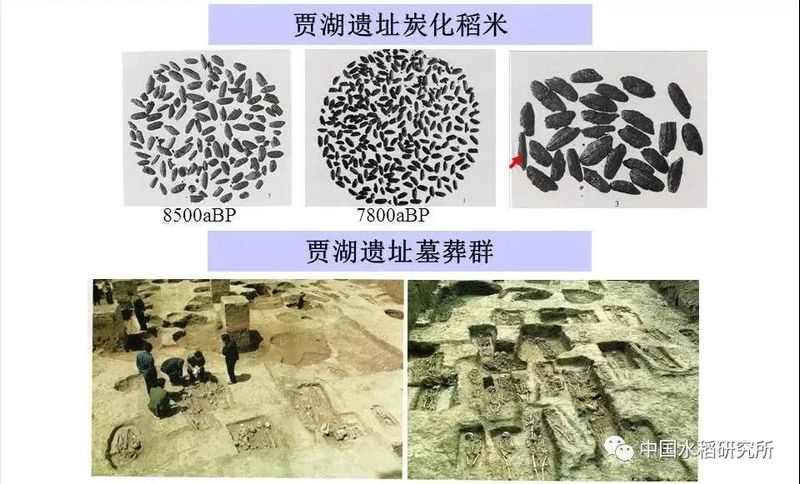
Figure 1
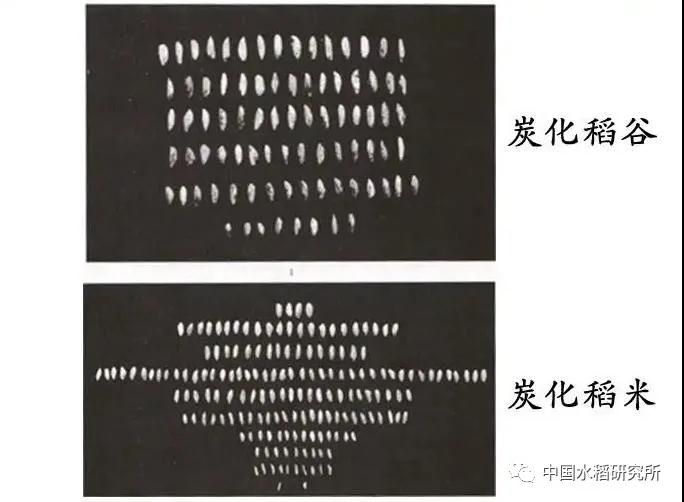
Figure 2
So far, archaeological and archaeological botanical discoveries seem to indicate that rice cultivation began in the middle part of the yangtze region of our country and is now over 10,000 years old. The earliest literature in my country that has written about rice is the psalms. At that time, there was a clear distinction between the aluminum and non-aluminum, i. E., the aluminum. In our ancient literature, the equivalent of today's rice varieties has been referred to in the “plumbs”, in which the word “prime” refers to land-based rice. It was first found in guangya (wei); a book documenting rice varieties was first found in guangji (si). In china, the yangtze river basin, after that time, the economy continued to develop and rice production, which was the basis of the economy, was growing rapidly, especially as the taihe lake basin became the largest food base。
Research related to the genetic domestication of rice indicates that it has been domesticated in our yangtze river basin, downstream and downstream, and gradually moved from north to south into various parts of china, from china to the east to the japanese islands and the korean peninsula, to south-east asia and south asia, and to the middle east and north africa with islam. In europe in the 15th century and in north america in the 17th century, rice grew rapidly in about a century in the marshlands of carolina and southern and southern america. After thousands of years, rice now not only has a distributional advantage in east asia, south-east asia and south asia, but also flows around the world, making it the basic food for nearly half of the world's population. Our country has a long history of rice, recorded in archaeology and literature; it originated in china and passed around the world。
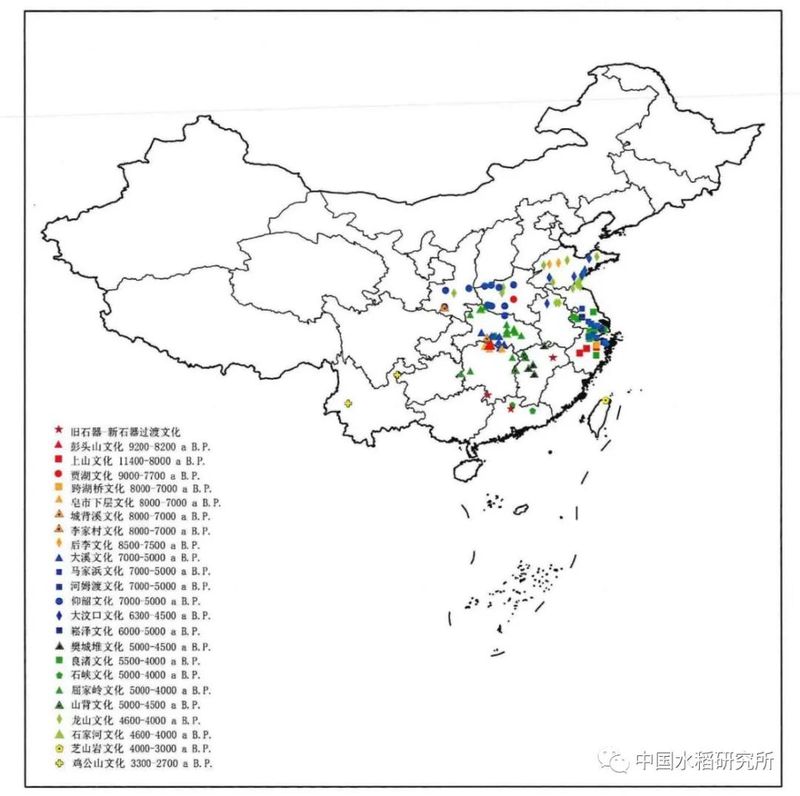
Figure 3
Chinese rice origin, domestication and communication study
Ii historical development of the rice industry
(i) the breeding history of our rice
The development of the technology of artificial domestication and rice use in our country has been long, for nearly 10,000 years. Especially in recent times, our rice-making technology has grown considerably, thanks to the tireless efforts of the old agronomists represented by mr. Ding wing. The realization of dwarf breeding has led to an increase of about 20 per cent in the single production of our rice, followed by a further increase in the single production of rice by the emergence of the three hybrids; the introduction of a unique breeding technique — the extension of mixed rice — has further broadened the access of our rice-breeders to their advantages, leading our rice-breeding technology to the world. In sum, our rice breeding has gone through the following periods。
The first “green revolution” of rice. The “green revolution” was marked by rice highs and shorts, growing semi-dry. Among them, in 1956, our breeder, mr. Huang yoo-sang, used as material the guangxi farmer's variety of "dwarfs" to produce "dwarfs in the 4th" and mixed with the high-drive variety "plaza 13" to produce the first "squares" species of paddy. Shrimp breeds, my country was more than 10 years earlier。
Nuclears are the breeding of male infertility and the exploitation of the advantages of the rice mongrels. In 1964, mr. Yuan longping of hunan angang agricultural school began a study on hybrid rice breeding and proposed the idea of using the advantage of the bastard. In 1970, mr. Yuan yongping and his assistant, li blai lake, among others, discovered wild rice in hainan sanya, where pollinating (resulting from infertility and cell nucleus), opened the door to the selection of hybrid male infertility. The average production of mixed rice is about 20 per cent higher than that of common good species, with acre capacity of 430 kg. The first representative species were south yu 1, south yu 2, etc., and the latter were gradually replaced by the emblematic varieties of good 63. The 63-year-old high-yield disease resistance, with production exceeding 500 kg, reaches 100 million acres annually。
3. Cultivation of male nuclear infertility in light temperature and exploitation of the advantage of the bastard rice. In 1973, mr. Ishimingsong, a farm technician at the habei sa lake field, discovered luminous nuclear infertility in rice farmers58 in the field, which was regulated by the length of the sunlight and became the first luminous nuclear infertility farmer 58s. This was the first time that the world had discovered and used photo-sensitive nuclear infertility in crops. In other crops, photo-sensitized nuclear infertility, such as oilseeds and peppers, has also been observed. Since then, dunhua feng, a researcher at hunan university of agriculture, has discovered another type of fertile temperature-regulated rice infertility, annon s-1, known as paddy-sensitive nuclear infertility, with temperature changes leading to fertility conversion, high infertility and low temperature. As a result of the break-up of the bonds of recovery and conservation, the genetic differences between the prostheses have increased considerably, with the average yield of mixed rice being higher than that of the triads, with representative varieties such as e-9, with large areas growing up to 630 kg of acreage, which is about 10% higher than in the triads. The technological development of both sterility systems of rice is entirely an autonomous innovation in our country。
4. Ideal strain breeding. Our breeder, mr. Yang jin, and others, have proposed high-yielding rice indicators: half-dry, large and straight, medium-spectrum, anti-fat, high biomass and high grain grass. According to mr. Yuan, the main morphological characteristics of ultra-high-yield hybrid rice are the long, straight, narrow, condensed and thick upper 3 functional leaves, which are large and can be lighted on both sides without covering each other, and the premise that large and large are high-yielding and that the combination of new plant characteristics and the utilization of the advantage of the bastard is a path to ultra-high-yield rice breeding techniques。
5. Utilization of the advantage of the zodiac bastard. The japanese scholar ji hashihiro has introduced the concepts of extended kinship and genetics and cloned the broad kinship and gene s5n, the discovery of which has laid the theoretical foundation for the utilization of the advantage of the sub-breeds. Some of the hybrids that have been cultivated by the haemophilia, such as the pseudo 538, the pseudo 1540, and the pseudo 927 of the china rice research institute, show a strong bastard advantage. In particular, in the 21st century, the cylindrical infertility system has been formulated using mid-to-moderate extended relatives and recovery units. A combination of hybrid varieties between sub-species, such as the “species of excellence” and “spring of excellence”, shows a strong production advantage。
6. The concept of the second green revolution and the selection of green super-paddy varieties. On 14 december 1999, a group of scientists, led by zhang zhang, presented the slogan of the second green revolution, “little input, many outputs, environmental protection”, and proposed the preparation of genetic resources for the green revolution. After 10 years of effort, we have selected a group of green super-paddy varieties, with a cumulative area of about 9 million acres throughout the country。
Throughout the development of rice breeding in our country, we have benefited mainly from continuous breakthroughs in the development and creation of seed resources, including semi-dry rice resources, nucleus nucleus sterility, hot rice-sensitization nuclear infertility and broad family and sexual traits among sub-species, precisely because the exploitation of these distinctive resources has contributed to the rapid development of our breeding stock, which has kept our rice species at the forefront of the world。
(ii) the breeding of rice abroad
Rice is self-deployed and spread from china to all parts of the world. Countries have evolved into new patterns of rice production and cultivation in response to local demand through manual selection. Since the introduction of rice in the united states, rice breeding has gradually been carried out by farming companies, following conventional breeding patterns. Since the development of biotechnology in the nineteenth century, especially in recent times, the extraction and application of anti-herbicide seed resources has led the united states to mechanize hybrid rice, increasing its share of hybrid rice to around 50 per cent and rapidly developing hybrid rice. Japan introduced the concept of super-paddy breeding in the 1960s, raising production to a new level, and then turning to improved quality foods due to the lack of availability of seed resources, creating high-quality rice varieties such as light. In the south-east asia region, including the international rice research institute, improvements in conventional rice varieties have been undertaken, including basmati, jasmin85 and others。
Iii development of modern rice breeding at home and abroad
(i) domestic developments
1. Technological innovations in rice breeding have significantly improved breeding efficiency. The disadvantages of our traditional rice breeding, which relies on performance choices and breeder experience, are that it is blindly organized, has a long breeding cycle and is inefficiently chosen. With the development of modern molecular biology, in particular research on the hydrogenomic function of rice, a group of important agronomic cloning of rice, including production, rice, resistance, etc., provides genetic resources and selection markers for rice molecule breeding. The current rice breeding technology in our country, in addition to conventional means, uses molecular markers to assist in the targeted improvement of rice quality, resistance and important agronomic forms such as low accumulation of heavy metals; the application of genetic editing and transgenic techniques, directed improvement of rice breeding (paddy thermonuclear infertility), scents, disease resistance, etc.; and genomic selection techniques, which allow the screening of excellent single or strain strains with a high correlation between the gene type and the surface and gene-type of the reference group through the use of all-genomic selection model simulations in candidate groups. The application of these modern breeding techniques has greatly increased the efficiency of rice breeding in our country, shortened the breeding cycle and provided a strong technical underpinning for the selection of breakthrough rice varieties that aggregate multiple traits/genetics。
2. Significant improvement in the quantity and quality of new rice varieties. After decades of growth in our rice industry, new varieties have increased dramatically, both quantitatively and qualitatively. The first three hybrid rice masters, with a peak of 63 and an area of over 100 million acres per year, have taken advantage of the anti-plum fever strain from abroad to raise the overall level of the country's anti-paddy plague; the high-quality multi-resilience recovery system, the birth of huaiji, has improved the synergy between the quality of our rice and its resistance to disease and production, with a combination of more than 300 and a cumulative area of more than 1 billion acres, creating a “wakai” miracle that is of historic significance in our history of rice breeding. With the accelerated expansion of these representative new varieties of rice, production, quality, resistance and broad adaptability have improved in synergy, the country's gross rice production has increased each year to nearly 200 million tons, achieving 100 per cent utilization of “chinese species”。
3. Enterprises in the rice industry have grown steadily. With the rise in the level of rice breeding in the country and the development of commercial breeding patterns, the rice industry has been fully developed and upgraded. According to statistics, in 2010 there were more than 6,000 rice seed enterprises in the country, and with the formalization of the market order, the number of farming enterprises in the country fell to more than 4,000 by 2019. Of these, more than 200 have the capacity to choose their own rice varieties. The rise of a group of rice-cropping giants, such as long pingko, the bounty industry, and silver high, has significantly enhanced the international competitiveness of our rice-cropping industry。
(ii) developments abroad
Currently, more than 40 countries in asia, africa and the americas have seeded, studied and promoted hybrid rice from our country. According to inamu data, the spread abroad of mixed rice exceeds 3. 5 million hectares, of which india has about 2 million hectares, viet nam about 670,000 hectares, the united states about 540,000 hectares and the philippines about 340,000 hectares. In terms of the share of mixed rice cultivation, china and the united states accounted for 50 per cent, indonesia for 7 per cent and asean and south america for 4 per cent. Rice breeding abroad has undergone the initial domestication of seedlings and the selection of conventional varieties; with the involvement of modern capital and the development of biotechnology, it has evolved into a new model of modern breeding, supported by modern biotechnology, led by large multinational companies。
Take the example of rice tech., the united states rice seed company, which has seed and testing centres in several countries around the globe, including south-east asia, south asia (india), the americas, and also works with our scientific research institutes, businesses, using its global rice testing network to screen varieties and varieties of rice, using advanced breeding techniques for the creation and screening of seed and new varieties of excellent varieties, thereby accelerating their replication。
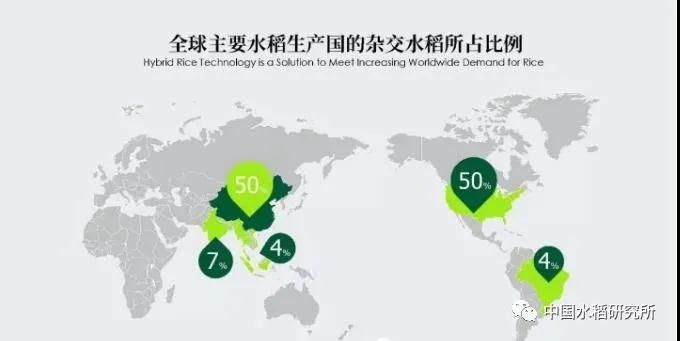
Figure 4 data are taken from the national institute of science, technology and innovation in modern agricultural industries; figures represent the share of mixed rice in each country。
In addition, there has been rapid growth in research and industrialization of functional rice, which refers to certain special types of rice whose indicators have been reinforced, such as platinum-rich rice, low grain protein rice, low cadmium accumulation rice, etc. Japan has developed low-ball protein, pollen-sensitized rice, diabetes-improvement rice, serocholesterol-mitigating rice, asthma-de-sensitization rice, azheimer vaccine rice, accelerator q10, mineral-enrichment rice, high-amino acid rice, high-vitamin rice, etc. For specific disease populations. In india, an improved variant of the rice species ism suitable for diabetics has been produced, with a blood sugar production index (gi) of 50. 99, in addition to its high-yield, albino-free status。
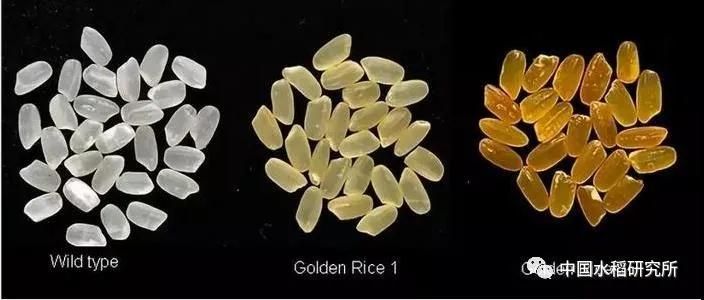
Figure 5 functional rice
“xivv” development directions
With rising levels of monolithic rice production, the country faces many pressing problems in rice breeding, such as the new theory of breeding, the urgent need for a new breakthrough in new technologies, the fact that large-scale precision identification of seed resources is at an early stage, and the lack of resources of excellence. The “xiv-5” of our rice breeding needs to accelerate innovative breakthroughs in order to continue to lead the world。
1. Breaking the new theory of breeding and new methods. Innovative rice efficient breeding theory and technology systems, using modern science and technology, such as metrology, information technology and biotechnology, to analyse the critical agronomic genetic mechanisms of rice, accelerate the precision, dataization, intellectual change and development of rice breeding, aggregate the genes, and establish targeted and improved targeting methods. The establishment of non-integrated reproductive systems in hybrid rice, the availability of cloned seeds for hybrid rice, the fixing of hybrid genetics, the modification of traditional hybrid rice breeding and seed production processes, the exploration of future breeding models and the taking of strategic positions in world agricultural science。
2. Identification, discovery and creation of seed resources of important breeding value. The establishment of efficient precision identification platforms and protocols for the genetic and surface types of rice, which include high-yielding, high-quality, disease-resistant, resistant, nutrient-efficient and appropriate mechanized seeds and production; and the creation of high-yielding, high-quality, multi-resistant, broad-capability, low-metal accumulation, new species of high-efficiency water fertilization, including infertility, restoration, etc., providing strong genetic resources and material support for the development of green, high-quality, safe, light, efficient varieties of rice。
3. High-yielding quality is the main thrust of future rice breeding. Although our rice production has increased year after year, this is not the case worldwide, especially as a result of the new epidemic, which has reduced global food security for the second consecutive year. According to the world food organization, global demand for rice will reach 550 million tons by 2035, increasing the current demand by 116 million tons. Therefore, in order to meet the food needs of a growing population and to respond to changes in the world food patterns, the increase in monolithic production will remain the main thrust of our rice breeding in the coming period, while maintaining the same area of total seeding. Moreover, as people's standard of living improves, there is a higher demand for the quality of rice, not only for high and steady yields, but also for good, good and safe rice production, which also places new demands on breeders。
4. There is an urgent need for the development of new, high-quality, green and light varieties of rice. Full use is made of molecular marker assistive selection, genetic editing, all-genomic selection, etc., for accurate identification of the latest research results of molecular biology, screening seed quality resources, further pooling of high quality, high yield, resistance, resource efficiency, high adaptability, early maturity, cold tolerance, disease resistance, etc., and the creation of new materials for breeding and the development of new varieties of high quality, high yield, resistance, breadth, low-fertilization, low-prevalence, low-prevalence drugs, low-intensity, low-intensity, low-intensity, low-intensity, low-intensity transmissible rice。