Rice
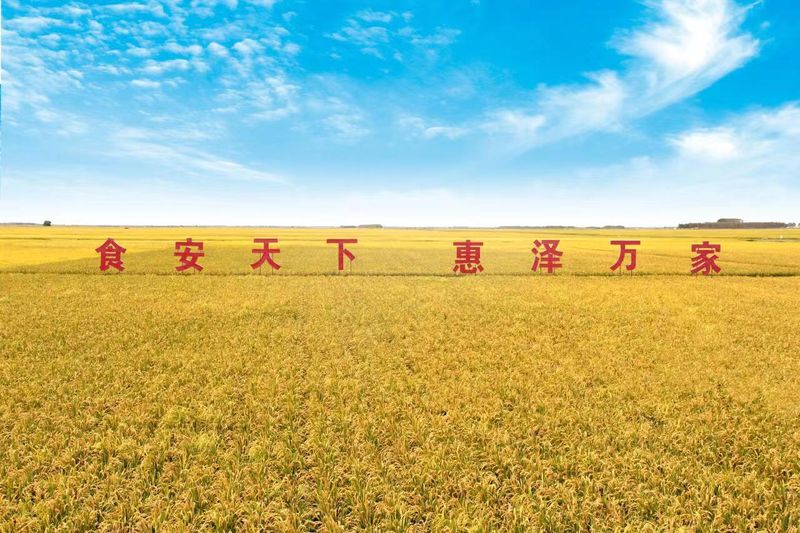
I. Crop profiles
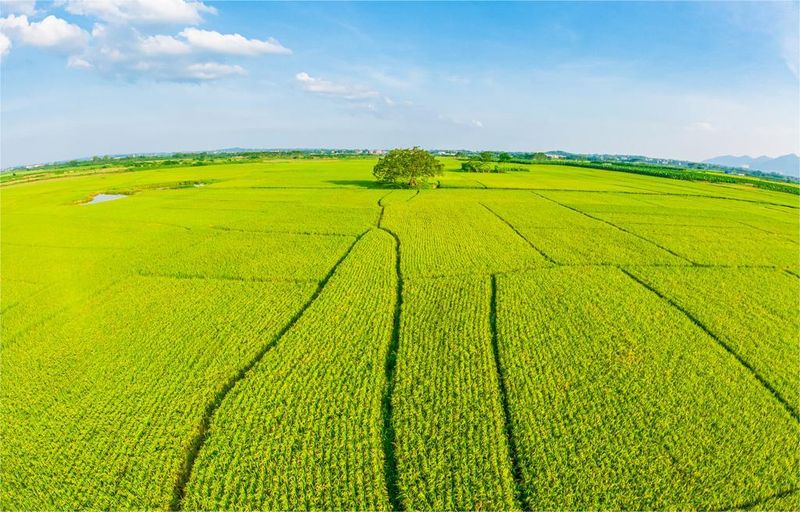
Crop name: rice
School name: oryza sativa l.
Subject: undergraduate rice
Rice is aquatic herbs, hot, wet and short-lived. It is standing straight, about 0. 5-1. 5 metres high. The leaves are thin, with a threaded pin. Rice is grown up in the form of rice, which is called rice or rice after the shell. Rice is one of the main sources of food for humankind, and rice is the staple food for a large part of the global population. Rice is divided into two sub-species: paddy and paddy, each with different characteristics and adaptation areas. My country is an important area for rice cultivation, with a long history of cultivation and rich experience. Ongoing scientific research inputs have also contributed to increasing rice production and quality and have played an important role in ensuring global food security。
Ii. Form characteristics
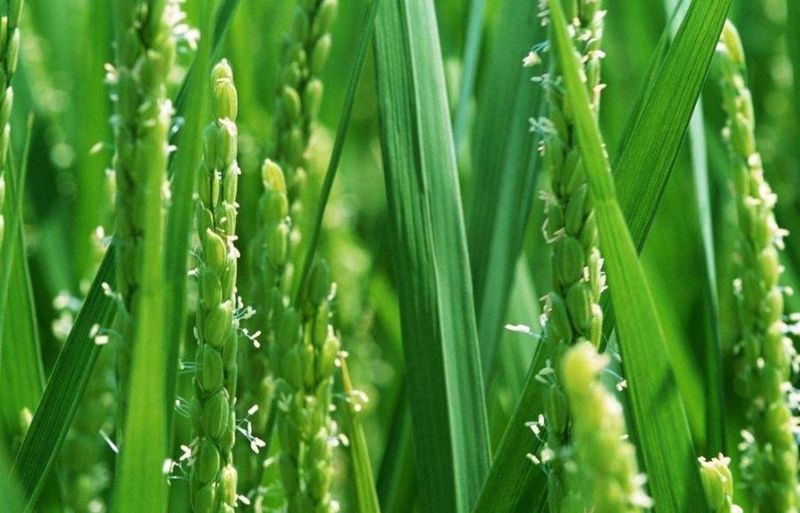
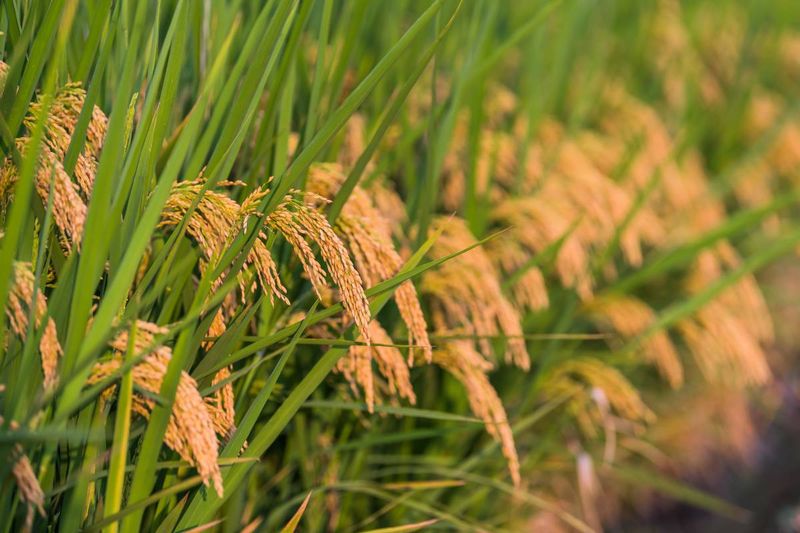
Rice is an important crop with distinct morphological characteristics. Rice straws are usually in a straight state, usually at altitudes of 0. 5-1. 5 metres, depending on the variety and growing environment. The penis surface is smooth and resilient. Leaf is thin and flat, colours are dark green and a thin layer of wax on the surface helps to reduce water fragmentation. The edges of the blades are sharp, the veins are clear. Rice flowers are gender-based and organized in an oak-like manner. The rice is made up of small ears, where there are flowers. There's an inside and out package, and there's a male and a female inside. The roots of rice are well developed, consisting of seed roots and variable roots, which absorb moisture and nutrients deep into the soil. The grain is elliptical or rectangular, with gold, white, etc., and its crust is hard, protecting the internal grain。
Iii. Growing habits
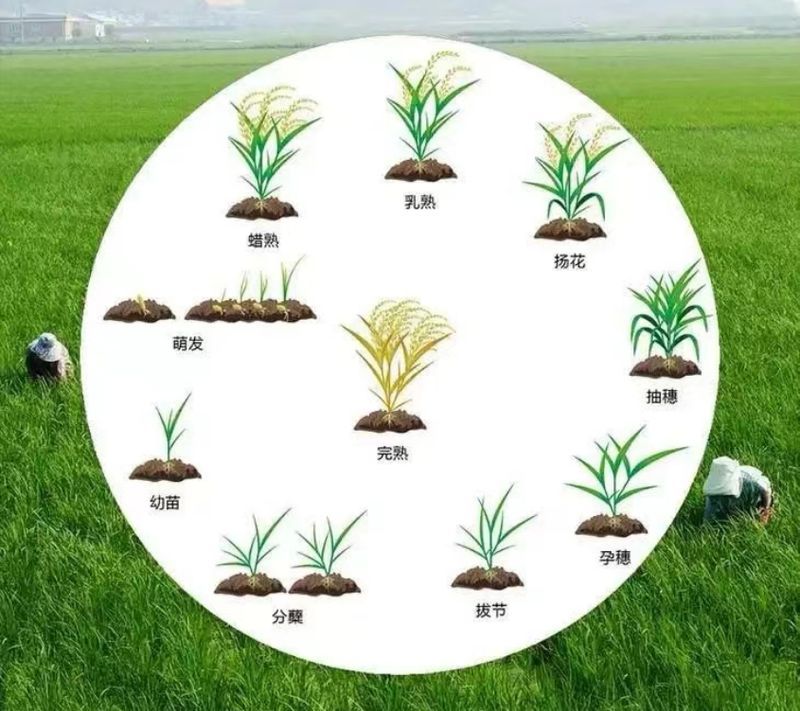
Rice is an important food crop whose growing environment, effective temperature, light and planting techniques have a critical impact on yields and quality。
In terms of the growing environment, rice is suitable for growing in water fields and requires adequate water sources and good drainage conditions. The soil is based on fertile, deep and fertile paddy soil. At the same time, rice has certain requirements for soil alkalinity, generally growing well between ph 5-7。
Effective temperatures play a key role in rice growth and development. Rice is a hot crop with a minimum temperature of 10-12°c for seed germinates and a maximum temperature of 28-32°c. The average daily temperature is above 20 °c in the break-up period, and the estuarine temperature is around 30 °c, which prolongs the division of branches and flowers. Script temperature is 25-35 °c and fertilization can be seriously affected by the fertilisation at a maximum temperature of around 30 °c, below 20 °c or above 40 °c。
Lighting is also an indispensable factor in rice growth. Rice is a short-lived plant that needs sufficient light during its growth to promote light cooperation and to accumulate organic matter. However, the need for light varies at different stages of growth. At the nutritional stage, adequate light contributes to fragmentation; at the reproductive stage, short-day conditions favour the separation and development of young ears。
In the area of planting techniques, it is first necessary to select the best varieties appropriate to local climatic and soil conditions. Seeds are selected, disinfected and sprung before seeding is made to increase gerontization and seeding. Rationally scheduled seeding times to determine the appropriate planting period, depending on the characteristics of the species and the local climate, to ensure that rice can grow with the full use of light-temperature resources。
In the event of rice displacement, care should be taken to control density and rationally sequestered according to variety and soil fertility, in order to make full use of space and light energy and increase yields. Field management is essential, including rational irrigation, fertilization, grass-brawling and pest control. Irrigation should be carried out according to the pattern of demand for water at different stages of the growth of rice, with shallow water layers maintained over periods of time to promote partitioning; the water needed during the period of pregnancy and pumping should be high, and deeper water should be maintained; and the dry and wet rotation of the slurry periods should be used to consolidate the slurry. Fertilizers should be applied in accordance with the principles of "pre-motion, middle-control, after-effects" and based on organic fertilizers, which are followed by the application of appropriate quantities of fertilizers such as nitrogen, phosphorus and potassium, depending on the growth of rice. Weeding can defusing soils, increase soil aerobics and reduce weeds and rice competition for water. Pest management should adhere to the “preventive, integrated” approach, select disease-resistant varieties, strengthen field monitoring and take timely and effective measures to combat them。
In sum, the high quality of rice production can be achieved by understanding its growing environment, effective temperature, light demand and scientific planting techniques。
Nutritional values and applications
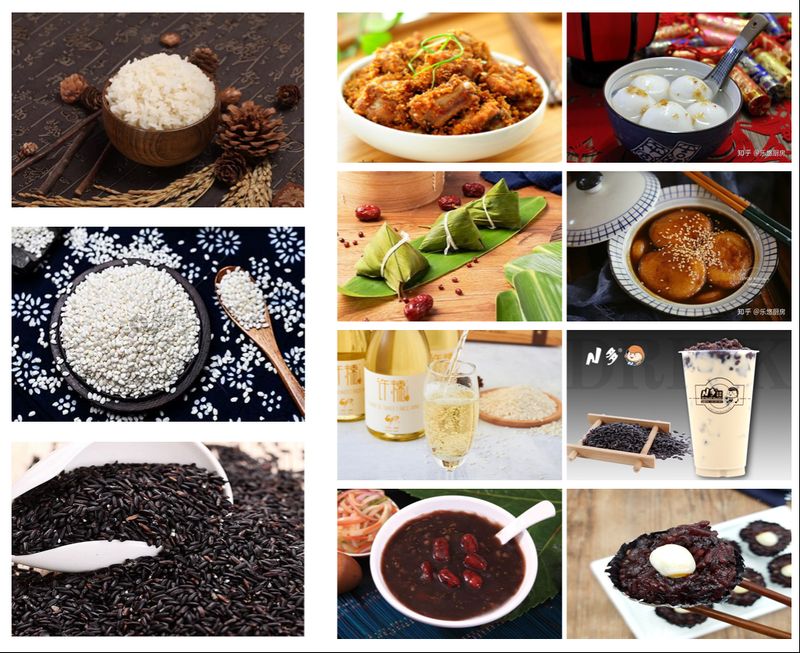
Rice is undoubtedly one of the leading players in today's agriculture. If a picture can be generated to visualize important aspects of rice applications, nutritional values and yields, it will be a very informative and valuable picture。
Rice is used extensively. First, it is the main source of food for humankind and provides a basic guarantee of survival for billions of people around the globe. The processed rice, which is an indispensable staple on the table, is prepared in a variety of ways to meet the needs of different tastes. In addition, by-products of rice, such as rice shells and straw, have important uses. Rice shells can be used as fuel, industrial raw materials, while straw can be used to weave, feed and improve soil fertility in the field。
From the point of view of nutritional value, rice is rich in carbohydrates and an important source of human energy. It also contains a certain amount of nutrients, such as protein, vitamin b and minerals. It plays an important role in maintaining the normal physiological function and health of the human body。
Rice production is a key factor for food security and social stability. Rice production continues to increase as agricultural technology advances. High levels of rice production are strongly supported by measures such as good breeding, scientific crop management, sound irrigation fertilization and pest control. However, in the face of challenges such as global population growth and climate change, how to further increase rice production and ensure its quality and sustainability remains the course of tireless efforts by agricultural scientists。
Such a picture, if produced, would give a vivid picture of the importance of rice in human life, stimulate our focus on food production and our expectations for the development of agricultural science and technology。
The results of the institute's scientific research
The members of the rice genetics team have been responsible for more than 20 research projects and subjects such as the national fund for natural sciences and the national priority research programme. Published more than 200 articles, of which more than 100 were sci papers. Over the years, rice seedlings and new varieties have been developed to produce more than 2,000 good rice varieties, 56 new varieties of rice, 9. 45 million yuan in varieties, 35. 5 million acres in cumulative expansion and 1,715 million yuan in socio-economic benefits. Heilongjiang province, 2nd prize for scientific and technological progress. The team is in the lead in the field of improved breeding of rice molecules in my province。