Regenerative rice production is a rice production model in which later warm and light land resources are used to harvest medium-term rice so that seedlings can re-emerge and grow their ears before producing grains for another season. This model saves cultivation and labour and has high economic and social benefits. It is in line with the overall direction of national food security and has broad prospects. It is deeply loved by grain farmers. Farmers report that it is easy to cultivate, has good adaptability, resistance and regeneration, has steady yields and has good taste for rice。
Thailand's two-year-olds are two-year-olds compared to their native masters, who have a shorter reproductive life, a strong ability to split and regenerate, and meet the requirements of regeneration. The combined production was ranked 2nd in the class presentation in 2018, 5th in the species presentation in 2019, and 1st in the variety model. Experimental data and large-scale production practices have shown that tai chiu-juan is a good, well-established rice mix。
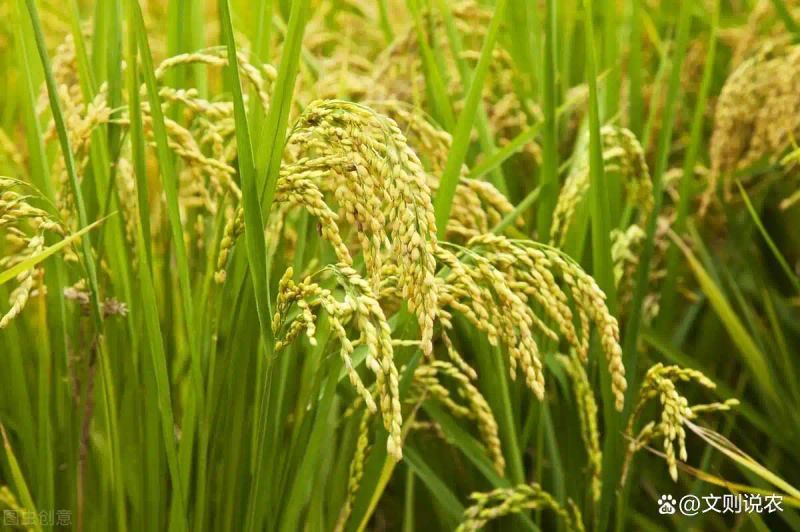
Biology: 111 〜113 cm tall, 6 〜8 cm short; compact plants, strong til capacity, strong growth potential, ratio 1:4 to 6:.
In the seed production process, both the father and the mother are sowed, the mother-to-child ratio is 1:55,000 to 60,000 plants/hm2 in the parent-to-mother ratio and must be removed in time to ensure the purity of the bastard. The face of the ear is clean, green stalk seeds are yellow when they mature and the colour is good. The capacity of seedlings is strong during the regeneration season. The first growing season was 141-144 days, 6-8 days shorter than the control group; and the regeneration season was 55-56 days, 9-lld shorter than the control group。
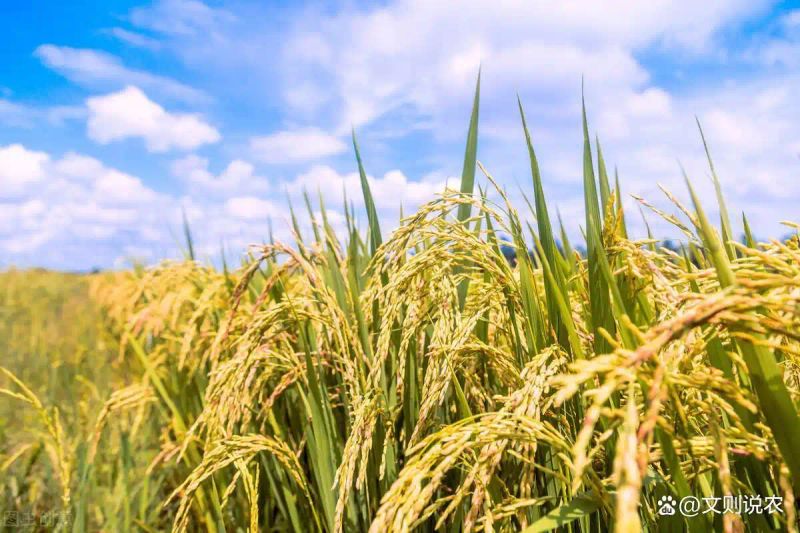
Strength of resistance. Under normal conditions of use, there are no visible pests. Economic characteristics: the number of effective ears in the first quarter ranges from 207,000 to 226,000 ears/ 667 m2 and from 232,000 to 259,000 ears/ 667 m2 in the regenerative season; the average number of ears in the first quarter is 143. 8 to 151. 4, while the harvest season is 67. 7 to 72. 3 per cent; the first quarter closing rate is 82. 8 per cent 〜89. 6 per cent and the rest of life is 76. 5 per cent 〜84. 4 per cent. The first season weighs 22. 7 〜23. 6g in thousands and 19. 5 〜20. 5g in regeneration。
Thirty-two test varieties were shown in 2018, and two seed seed seed seedlings were inserted against a variety of still oils, random group designs, three repeats, three earth mounds, 45. 15 m2, density 16. 4 cm x 26. 5 cm. The seeds were planted on 23 march, the first harvest on 16 august and the second harvest on 27 october. Wet production in scale terms, measured with moisture content and converted dry grain production to 13. 5% water content. In the first quarter, production per 667 square metres was 685. 5 kg, ranking 13, an increase of 0. 52 per cent over the comparison. Production in the regenerative season was 226. 54 kg, the third highest, an increase of 7. 00 per cent over the comparison. The total output of the two seasons was 91. 04 kg, the second highest, and the output of the control group increased by 2. 0 per cent。
In 2019, a total of 39 tested varieties were displayed, arranged randomly and without repetition, with a total area of 78. 1 m2 and a density of 30 cm x 14 cm. The planting took place on 27 march, the first harvest took place on 28 august and the second harvest took place on 27 november. The yield per 667 square metres in the first quarter was 647. 01 kg, ranked seventh, an increase of 2. 53 per cent over the comparison. Production in the regenerative season was 157. 31 kg, ranked eighth, which was 7. 32 per cent less than the comparison. The total output for both seasons was 804. 32 kg, ranked fifth, an increase of 0. 45 per cent over the comparison。
In 2019, there were 17 model varieties with an area of 0. 4 〜0. 5 hm2 and a density of 14 cm x 30 cm. The demonstration site is around the exhibit site. In thailand, two flowers occupy two hills, measuring 0. 4 hm2. One of the 433 square metres of akita machinery was planted with a four-room control of the kyoya oil flower show. During the regeneration season, seeding took place on 30 march, harvest on 19 august and harvest on 21 november. Production per 667 square metres in the first quarter was 582. 46 kg, an 85 per cent decrease from the comparison. Production in the regenerative season was 181. 45 kg, a 35 per cent increase over the comparison. Total output for both seasons was 763. 91 kg, an increase of 1. 20 per cent over the comparison。
It should be noted that the planting period in 2019 was postponed to 30 march for objective reasons. In addition, weather features are low temperatures by mid-june, delayed seedlings, extended entire fertility periods and lower yields than in previous years in the first regenerative season. I don't know. The harvest was lost during the regeneration season. Even so, out of 17 model varieties, production was fifth in the first quarter, with production in the regeneration season and combined production in both seasons。
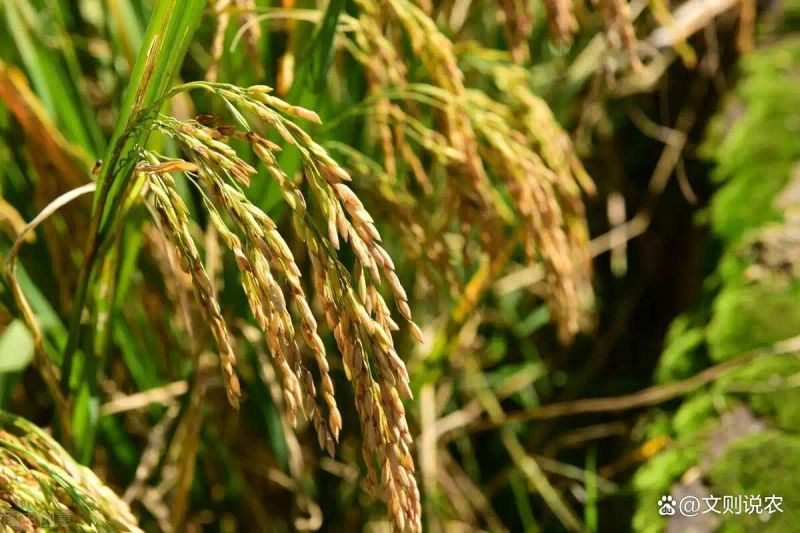
The management of first-season regenerative rice is different from that of ordinary rice. For artificially transplanted seedlings, the number of seeds per 667 m2 increased by 1. 25 kg and for machine transplanted seedlings by 2. 50 kg. Mechanically transplanted seedlings were used to sow 25 pallets. After planting, the remaining seedlings will be replenished. Machine plugins have a density of 14 cm x 30 cm and approximately 15,900 units/ 667 m2。
According to weather conditions, the planting date is 20 march at the earliest. The seedlings are covered. And when it breaks, when it is not sprouts, it spreads its seed. It is cold-resistant, membrane-covered and seeds are not perishable. Early broadcasting is key to ensuring the safety of all the first and regenerative seasons。
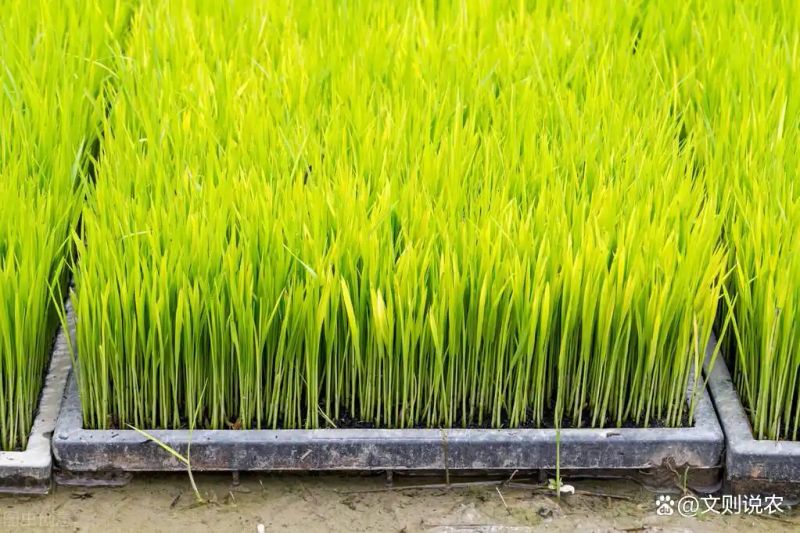
Following the transplantation of two dry fields, the number of seedlings per 667 square metres reached approximately 200,000. When the number of seedlings per 667 m2 reaches approximately 200,000, the fields will be drained and dry until the end of may. Lubagan. For poorly drained fields, ditches should be used to drain the fields. Water was cut 10 days before harvest. Deep mud fields and fields with high groundwater levels should be cut off as soon as possible so that the field surface is hard enough to withstand the wheel pressure during the harvester。
The harvest period is earlier than the ninth maturity and the paddy is blue and green, which facilitates the regeneration of the til. The second part regenerates and is not cut off. A harvester equipped with a lawn mower can cut the straw and throw it away and do not pile up rice piles。
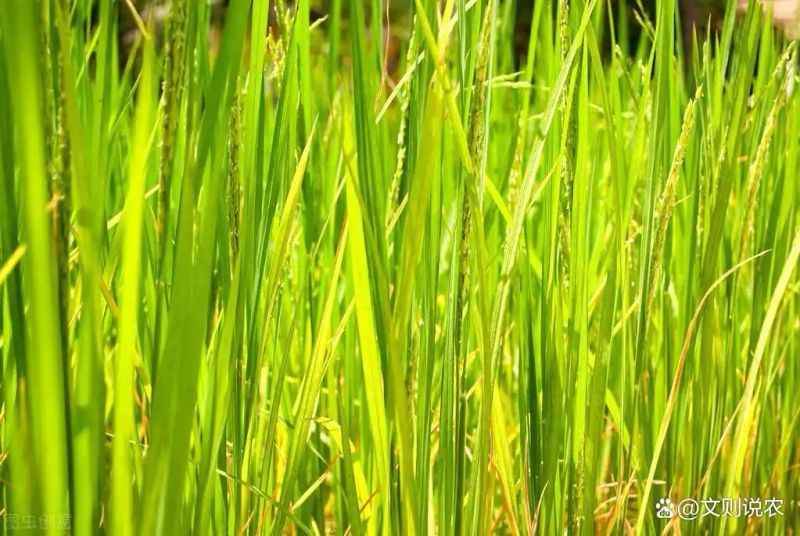
Water and fertilizer management is applied 10 to 12 days before the first harvest of rice. Every 667 m2 of urea is applied, water is cut off after fertilization, and 10 kg urea is applied within three days of harvesting and after rehydration. The water is refed within three days of the harvest and not more than one inch deep, and it will naturally dry up. Repeat this process to avoid water immersion. The wet hair is soaked that the shallow water director comes out of the seedlings, and the water is wet and wet until maturity. Preventing drought。
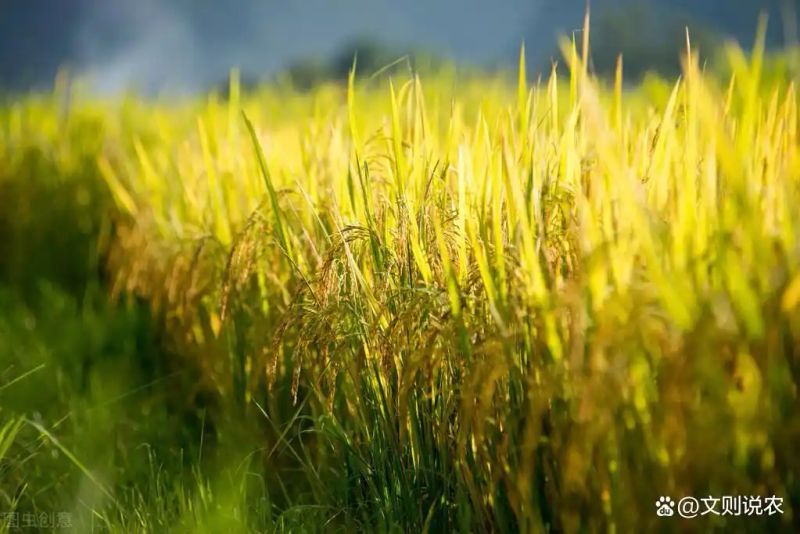
Insects and pests control regenerative rice stocks are scarce, they are not easy to produce and do not require pesticides。
At the appropriate late harvest the harvest occurs more than 15 d in the field during the maturity of the wheel line than in the non-wheel line and is expected to occur when the ear of the valley inside the wheel line is almost mature。